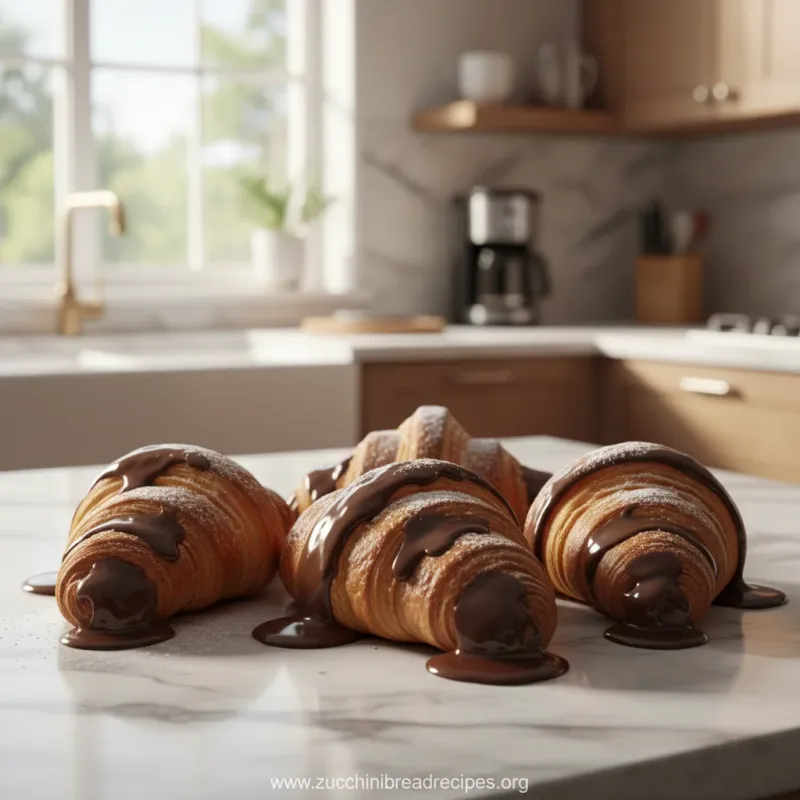
Honestly, there’s something comforting about the scent of butter and chocolate drifting from the oven. So, I start by gathering my chilled dough, feeling the coolness against my fingertips, and remembering how a simple roll can turn into a golden crescent. Look, the chocolate we fold in is dark, glossy, and just a touch sweet—perfect for an afternoon tea.
The essence of the dish
Flaky puff pastry wrapped around a melt‑in‑your‑mouth chocolate core; each bite offers buttery layers and a warm cocoa center.
A fun fact or historical angle
The modern croissant’s shape was inspired by the Viennese kipferl, which itself commemorated a historic victory.
Flavor or sensory focus
Expect a crispy, golden exterior that yields to a soft, buttery interior, with chocolate that oozes gently as you bite.
You Must Know
- Chill the butter and dough between folds
- Roll gently to keep layers intact
- Use dark chocolate for depth
When you handle the dough slowly, the butter stays in distinct sheets, creating that signature lift. The aroma of butter melting with chocolate is a gentle reminder of why home baking feels so rewarding. Take a moment to let the dough rest; it’s a small pause that makes a big difference.
The story behind it
Chocolate croissants trace their origins back to the iconic Viennese kipferl, a buttery pastry that journeyed through France where the croissant got its name. In the 19th century, bakers began adding chocolate, creating a richer version that quickly became a beloved treat across European cafés. The invention reflects a blend of tradition and indulgence, celebrating the timeless dance of flaky dough and deep cocoa.
Why You'll Love It
- Layers of buttery, flaky pastry
- Rich, molten chocolate core
- Simple steps, no fancy equipment
- Perfect for brunch or a sweet snack
Tips for success
- Don't over‑work the dough, keep it cool to achieve flaky layers.
- Let the chocolate filling soften slightly so it spreads evenly.
- Taste the dough after the first mix and adjust sugar if needed.
Professional secrets
- Layered butter creates steam pockets for lift.
- A brief chill between folds keeps layers distinct.
- High oven heat at the start creates that puff.
Common mistakes to avoid
- Over‑working the dough, which melts butter layers.
- Skipping the chill between folds, resulting in dense pastry.
- Baking at too low a temperature, preventing proper puff.
Substitutions
- All‑purpose flour: Bread flour. Provides a slightly stronger gluten network for extra lift.
- Butter: Margarine (non‑dairy). Works but may change flavor slightly; keep it cold.
Variations
- Spicy Version: Add a pinch of cayenne pepper to the dough for a subtle heat.
- Mediterranean Style: Mix in toasted almonds and a drizzle of orange zest with the chocolate.
Storage
Store in an airtight container at room temperature for up to two days; reheat briefly in the oven before serving.
Make ahead
Prepare the dough and freeze the shaped croissants; bake directly from frozen, adding a couple of minutes to the baking time.
Leftovers
Reheat gently in a 300°F oven for 5 minutes to restore crispness.
Serving ideas
- Serve warm with a dusting of powdered sugar.
- Pair with a side of fresh orange slices.
- Accompany with a cup of strong black coffee.
- Garnish with a few shredded chocolate curls.
Allergy information
Contains gluten, dairy, and soy (if using soy butter).
Easy Chocolate Croissants Recipe
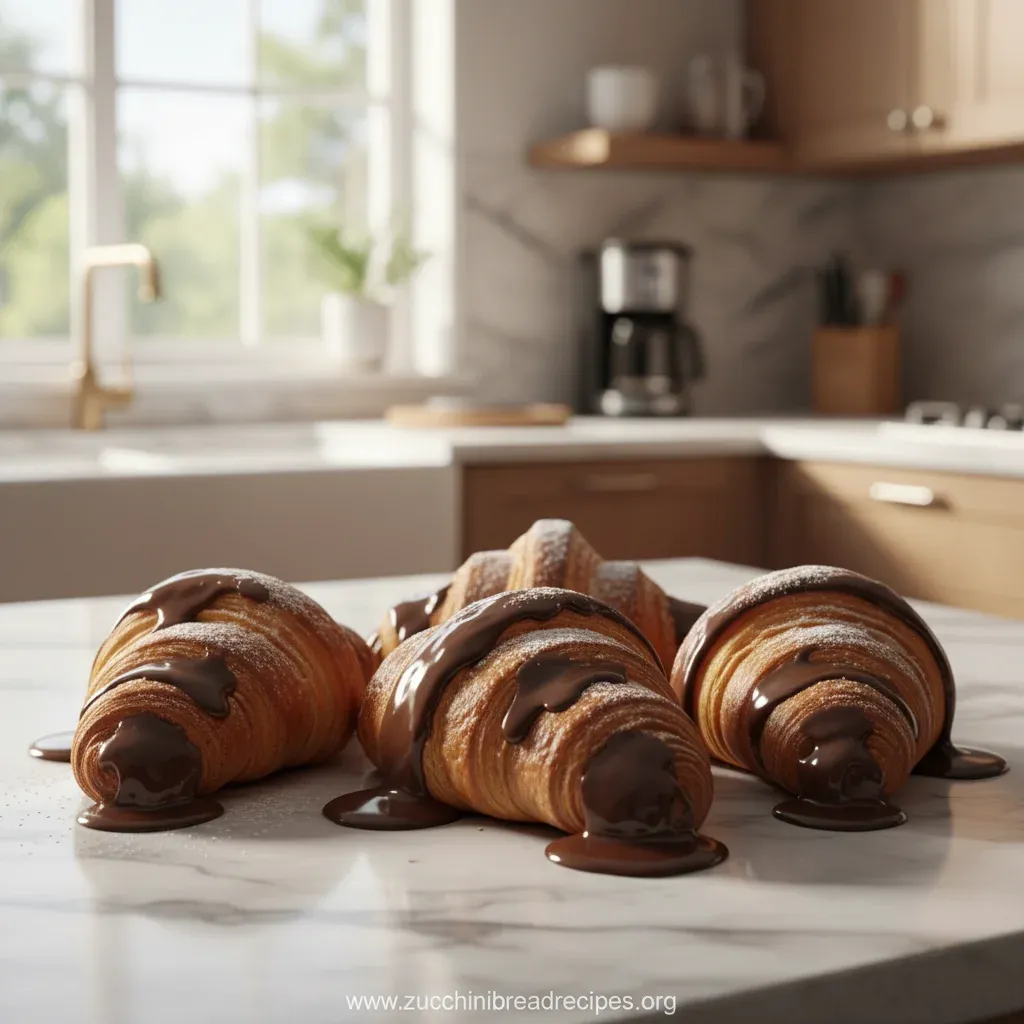
A quick, easy guide to homemade chocolate croissants with layers of buttery dough and rich chocolate.
- Prep time
- 20 min
- Cook time
- 20 min
- Total time
- 40 min
- Difficulty
- Medium
- Cuisine
- French
- Course
- Dessert
Ingredients
Dough
Filling
Instructions
- 1
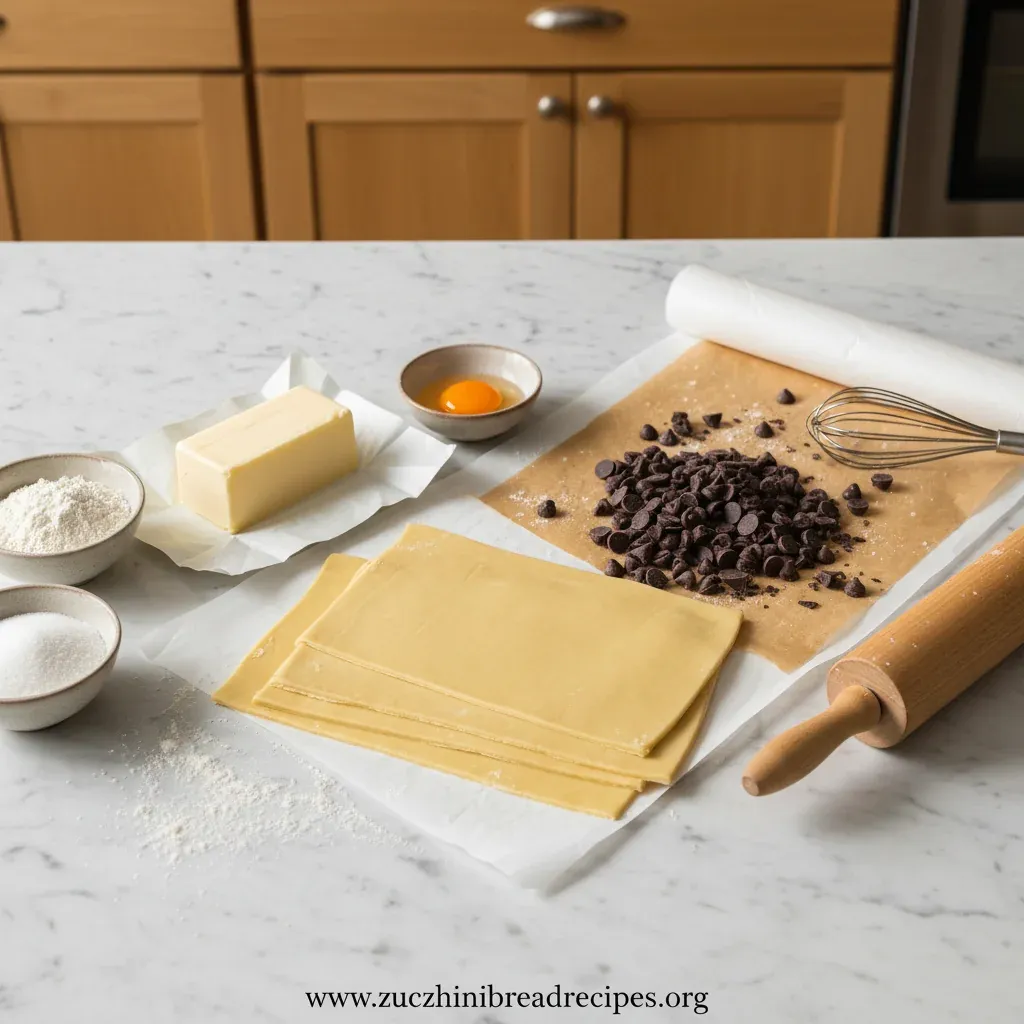
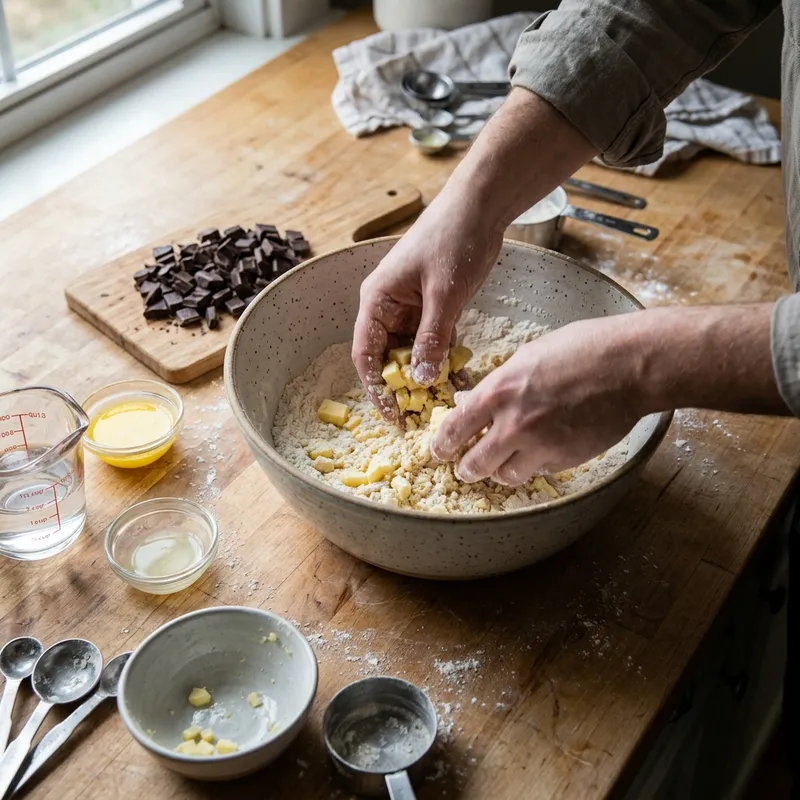
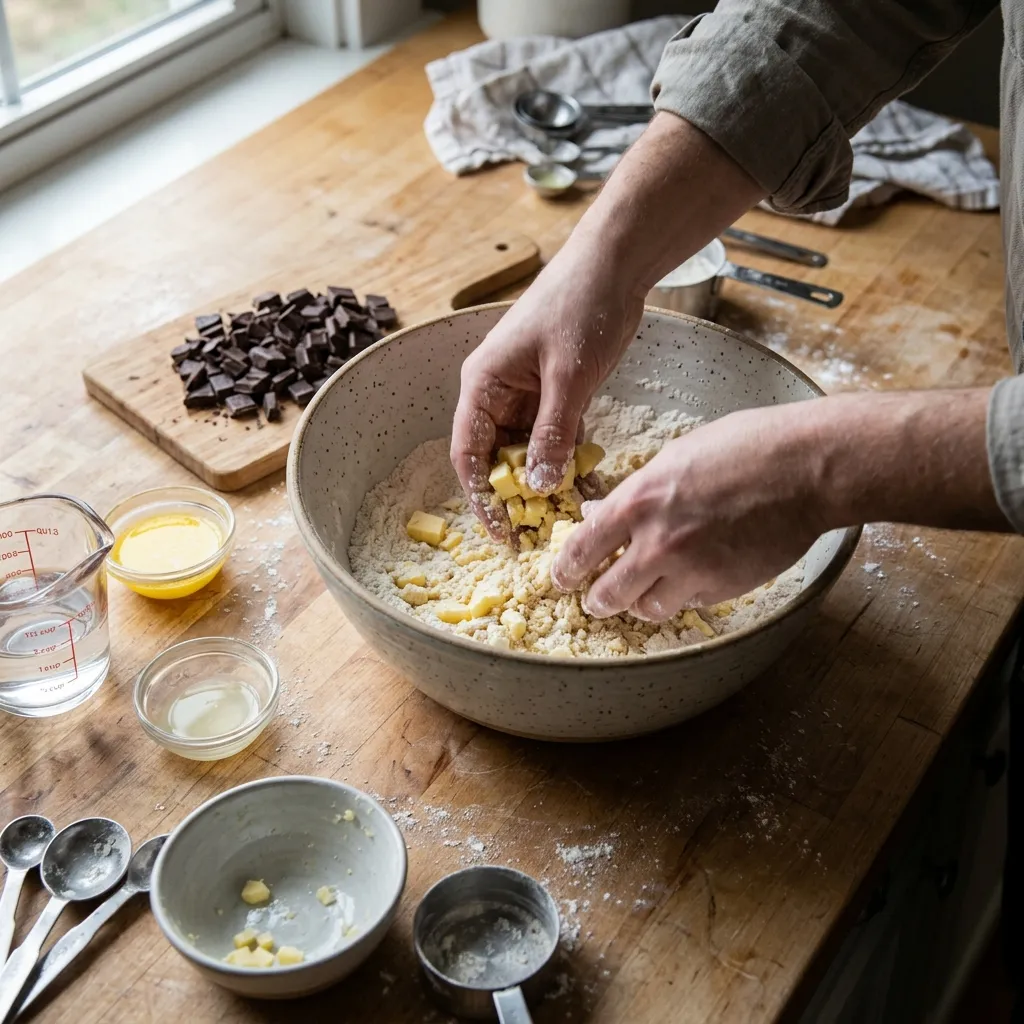
Combine flour, sugar, salt, and yeast in a bowl; add the cold butter and rub together until the mixture resembles coarse crumbs.
- 2
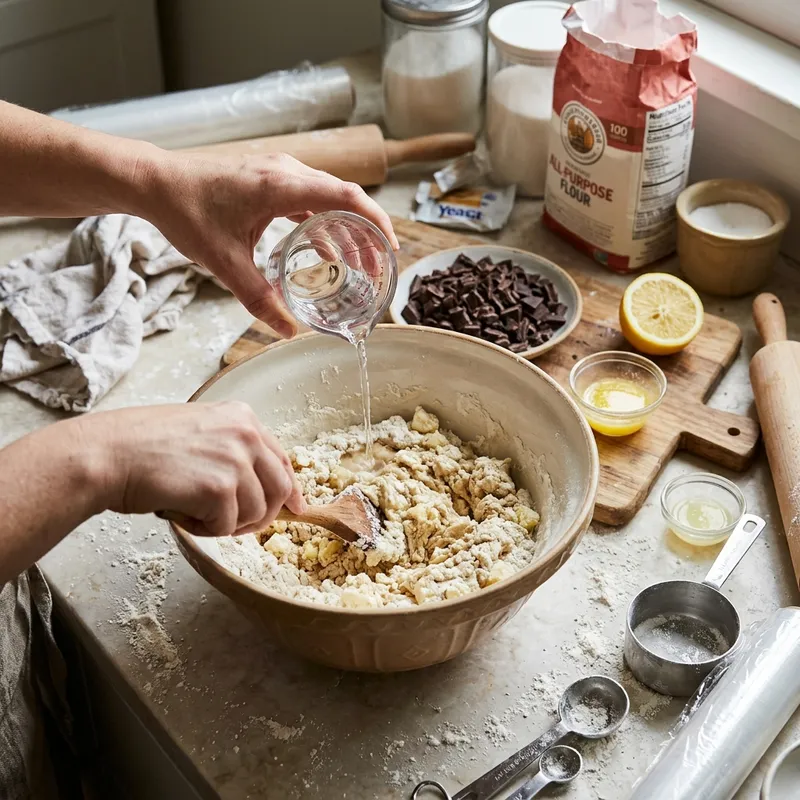
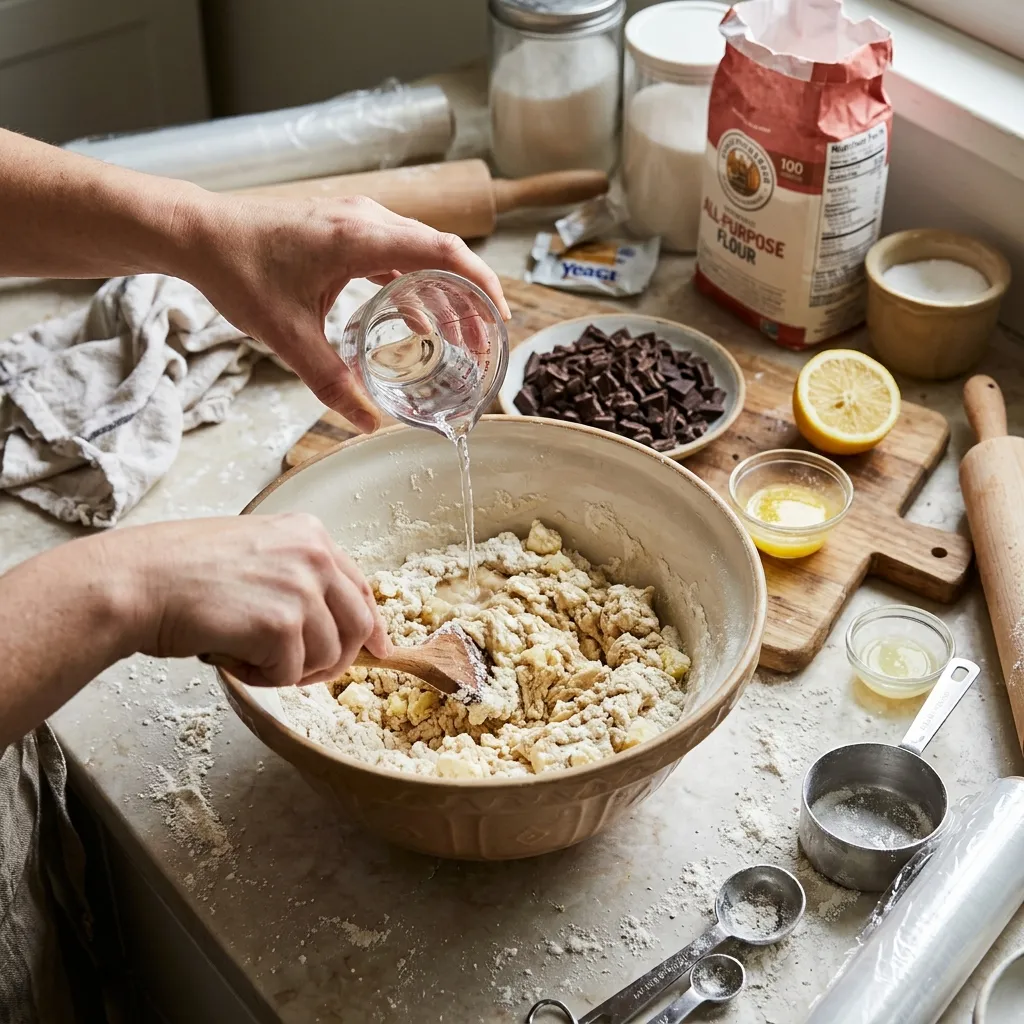
Gradually stir in cold water until a dough forms; shape into a ball, wrap, and chill for 30 minutes.
- 3
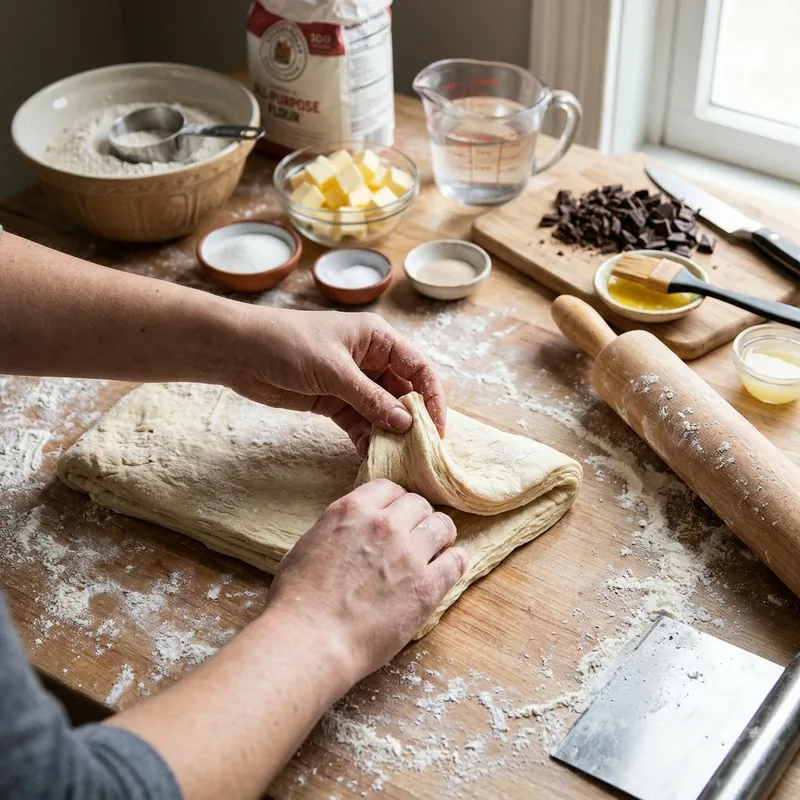
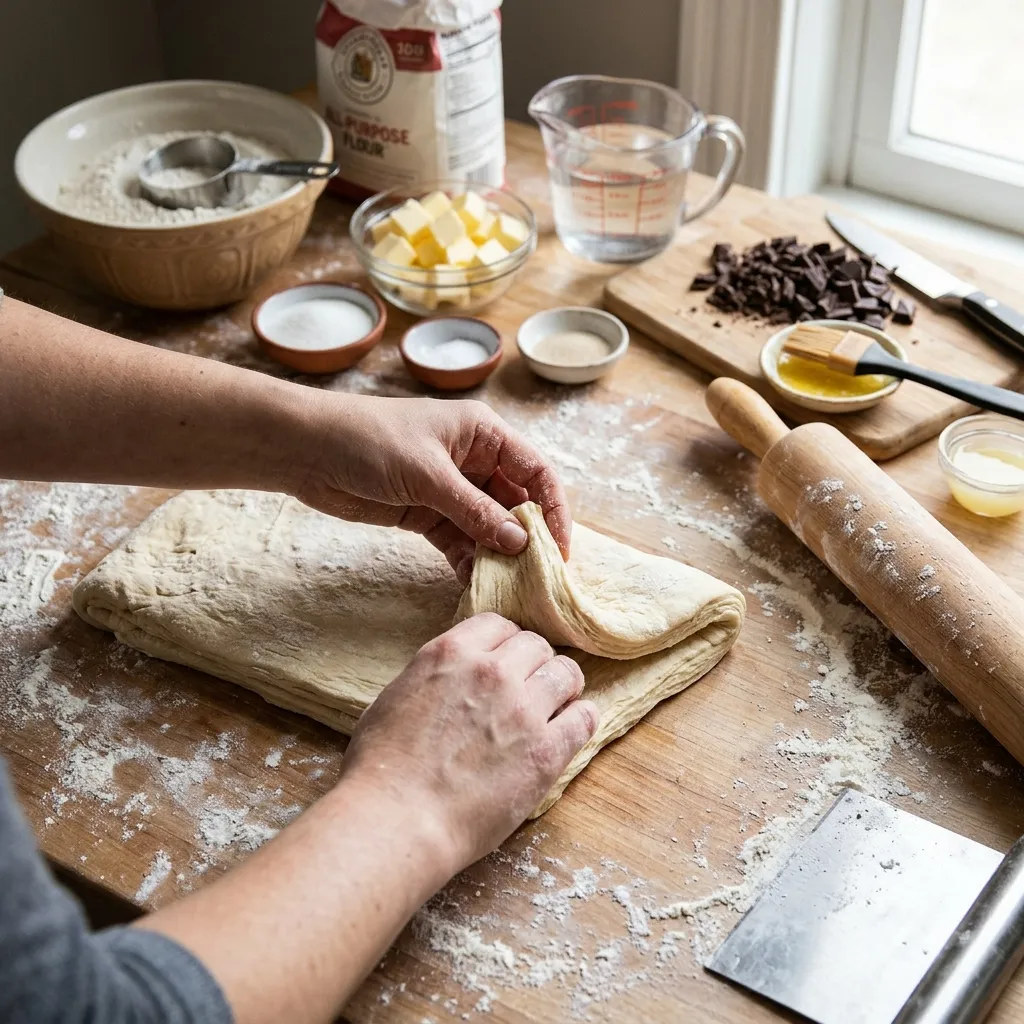
Roll the chilled dough into a rectangle, fold into thirds like a letter, and refrigerate for another 20 minutes; repeat rolling and folding two more times.
- 4
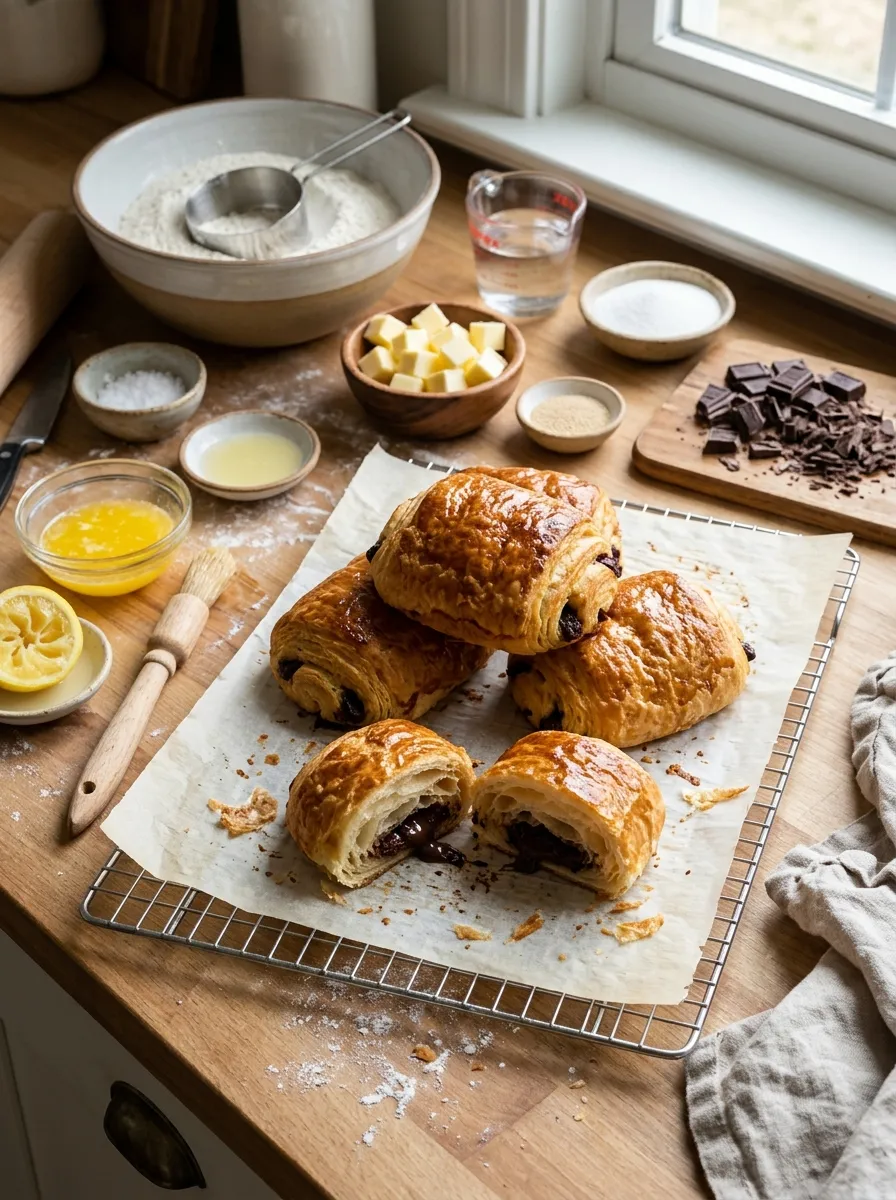
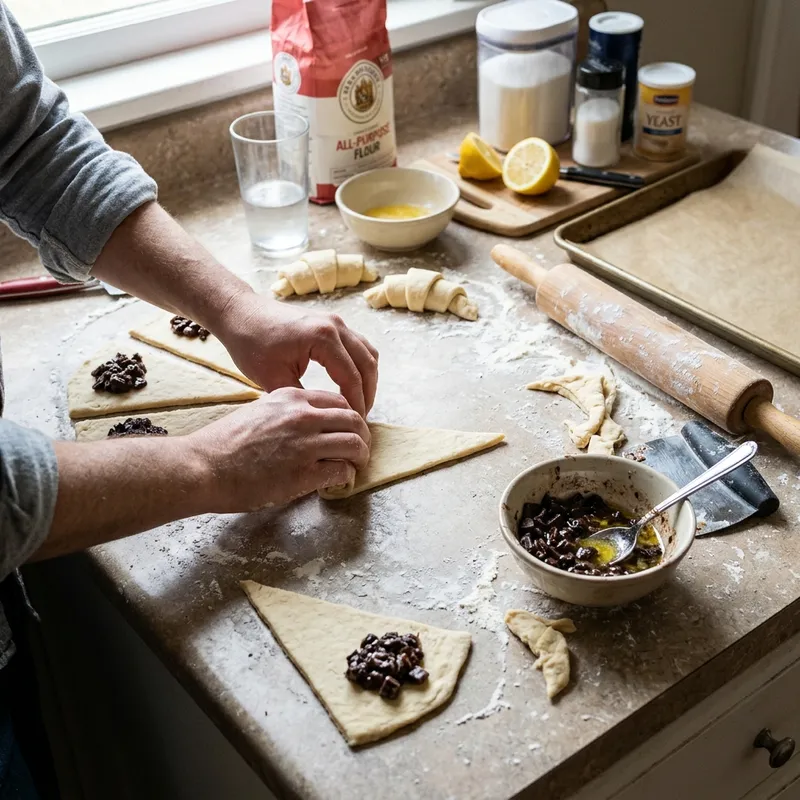
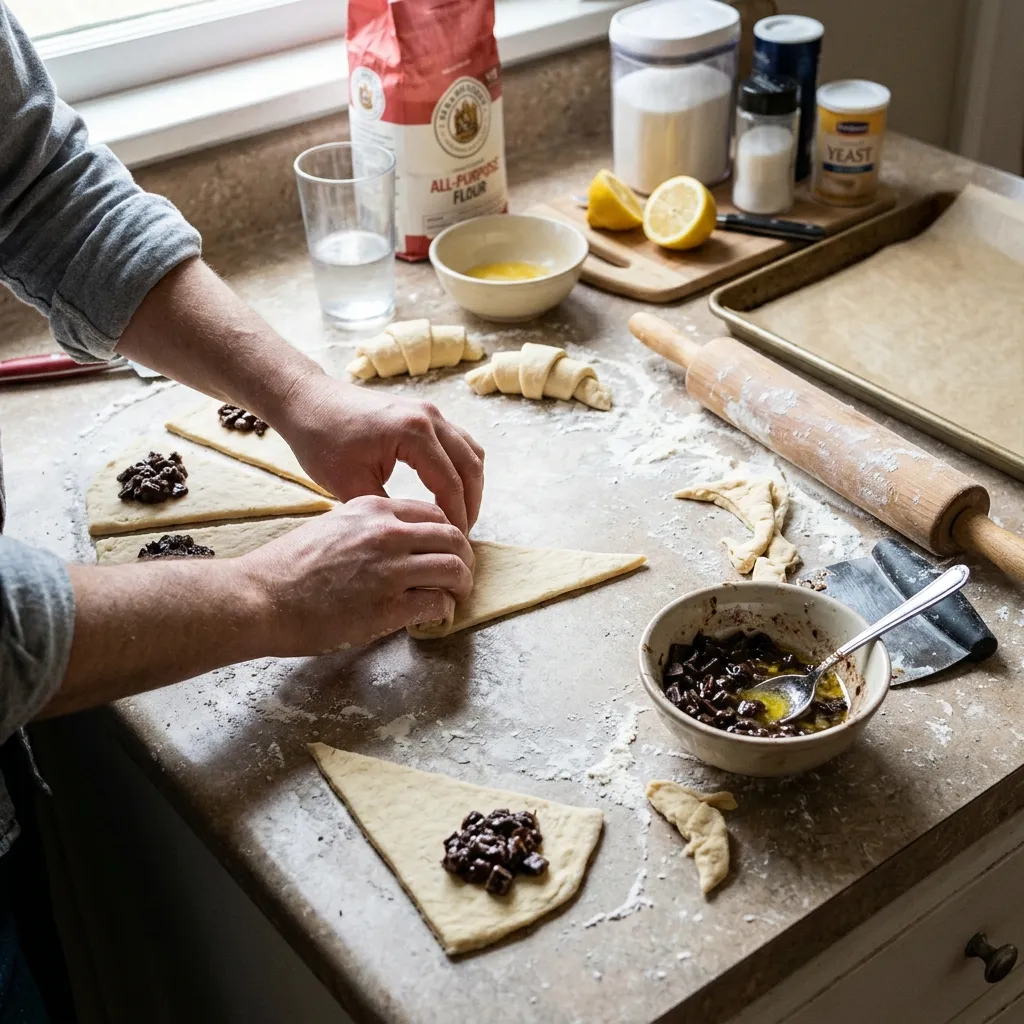
Mix chopped chocolate, melted butter, and lemon juice; set aside. Roll the dough thin, cut into triangles, place a spoonful of chocolate near the base, and roll up into croissants.
- 5
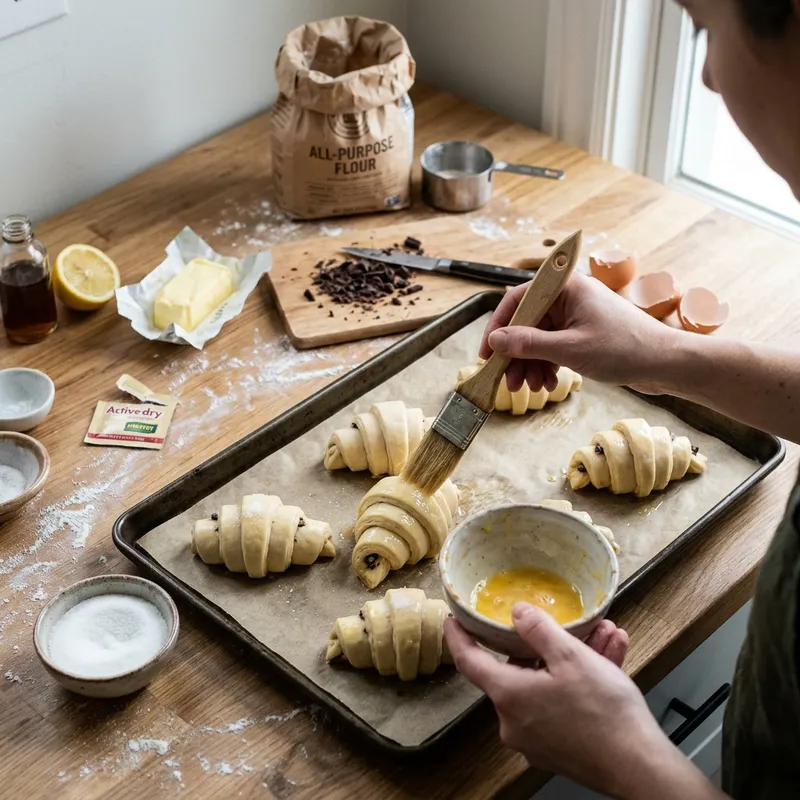
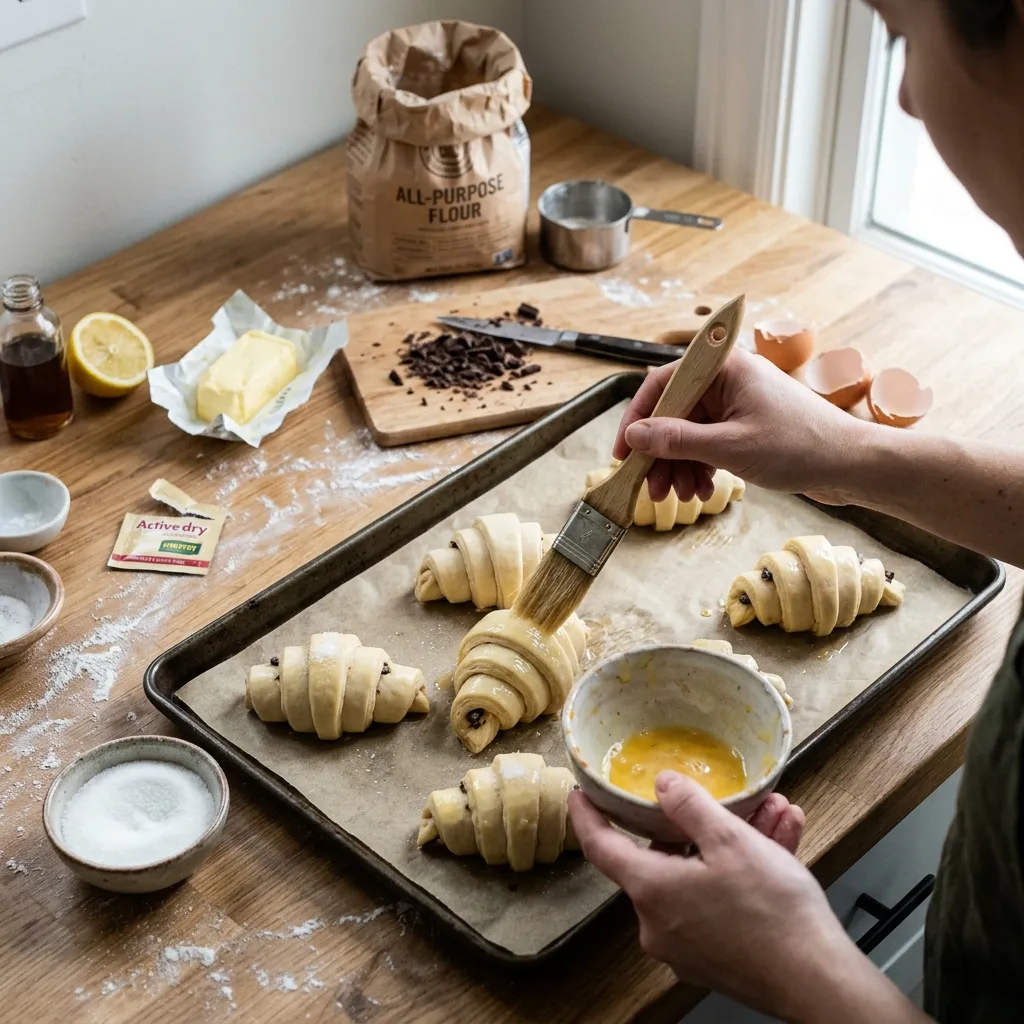
Brush each croissant with egg wash, sprinkle lightly with sugar, and bake at 400°F (200°C) for 15‑18 minutes until golden and puffed.
Nutrition per serving
- 310 kcal
- Calories
- 5 g
- Protein
- 38 g
- Carbs
- 14 g
- Fat
Tips & notes
- If the butter softens during rolling, return the dough to the fridge for 10 minutes. - For extra shine, brush with a second egg wash halfway through baking. - Allow croissants to cool on a wire rack to keep the bottom crisp.
Frequently asked questions
Can I use milk chocolate instead of dark?
Yes, but milk chocolate will be sweeter and melt faster; reduce added sugar slightly.
Do I need a stand mixer?
No, a sturdy bowl and wooden spoon work fine; the key is gentle handling.
How long can I freeze the croissants?
Wrap tightly and freeze up to 2 weeks; bake from frozen, adding a few extra minutes.
What if my dough gets too warm?
Chill it for 15‑20 minutes before continuing to prevent butter from melting.
Can I add nuts for crunch?
Sure, toasted almonds or hazelnuts add texture; sprinkle before baking.
Is there a gluten‑free version?
Use a gluten‑free flour blend with xanthan gum; handle similarly, but expect a slightly different crumb.

Chloe Bennett
🍫💖 Chocolate addict, dessert dreamer, and muffin magician. Sprinkles happiness in every bite 🎉🧁.