
Originating from humble home kitchens, orange juice cake gained popularity in the early 20th century when canned orange juice became widely available. Its bright flavor was a welcome contrast to heavier desserts of the era. The recipe spread through community cookbooks, offering a simple yet uplifting treat that could be made with pantry staples. This classic dessert continues to bring a burst of sunshine to tables around the world, proving that a little citrus can turn an ordinary day into a celebration.
Why You'll Love It
-
- Bright citrus aroma that fills the whole house
-
- Soft, fluffy crumb that melts in your mouth
-
- Simple pantry ingredients, no fancy equipment
-
- Perfect for tea time, celebrations, or a quiet bite
“The cake was unbelievably light, the orange scent lingered, and my guests kept asking for the recipe!”
Essential Ingredient Guide
- Fresh orange juice: Provides natural sweetness and moisture; choose juiced from ripe oranges for maximum flavor
- All‑purpose flour: Creates structure; sift lightly to keep the cake airy
- Unsalted butter: Adds richness; melt gently to blend with sugar
- Baking powder: Leavens the batter, giving it that light lift
- Lemon zest: Adds a subtle zing that compliments the orange
- Granulated sugar: Balances the tartness and helps with browning
Complete Cooking Process
-
Ingredient Readiness:
Measure and sift dry ingredients, juice and zest the oranges, and melt butter; this ensures even mixing.
-
Flavor Development:
Cream butter and sugar until pale, then incorporate orange juice and zest, letting the citrus perfume the batter.
-
Texture Control:
Fold in sifted flour gently, avoiding over‑mixing to keep the crumb tender.
-
Finishing Touches:
Bake until a toothpick emerges clean, then glaze with a simple orange‑sugar drizzle for extra shine.
-
Serving Timing:
Allow the cake to cool slightly before slicing; the flavors shine best when still warm.
-
Use room‑temperature eggs for a smoother batter
-
Add a splash of vanilla extract for depth
-
Do not over‑mix after adding flour
-
Glaze while the cake is still warm for a glossy finish
Pro Tips
Well, these little adjustments can make a big difference. I’ve found that a light glaze not only adds sweetness but also locks in that lovely orange aroma. So, when you’re ready to serve, let the cake sit for a few minutes, then cut generous slices and enjoy the soft, citrusy bite.
Ugh, I sometimes forget to let the cake rest, and it can be a bit crumbly. A short pause makes all the texture settle nicely.
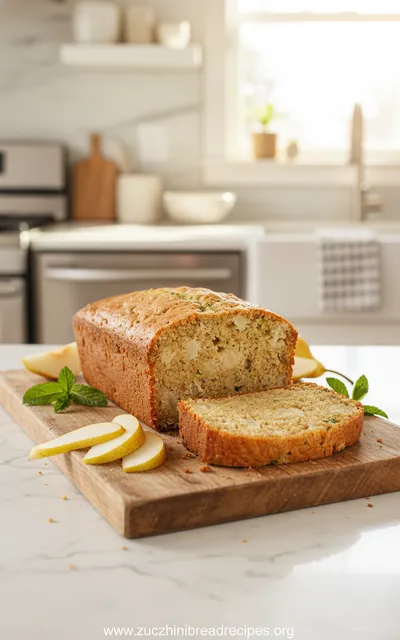 Healthy
Pear Zucchini Bread Recipe
A moist and flavorful quick bread combining fresh pear and zucchini.

The essence of the dish:
It’s the balance of bright orange juice with a tender, buttery crumb that makes this cake special. Each bite feels like a gentle hug, airy yet satisfying.
A fun fact or historical angle:
During the 1930s, orange juice was marketed as a vitamin C boost, and bakers quickly incorporated it into desserts. The cake became a staple at community gatherings.
Flavor or sensory focus:
Expect a fragrant citrus aroma that greets you as the cake comes out of the oven, a slight tang from lemon zest, and a sweet, moist interior that melts on the tongue.
You Must Know
-
Do not over‑bake; the cake stays moist
-
Use fresh oranges for true flavor
-
A light glaze adds shine and extra citrus
Frequently Asked Questions
→ Can I use bottled orange juice?
Yes, but freshly squeezed juice gives brighter flavor and more natural sweetness.
→ How long does the cake stay fresh?
Wrapped tightly, it stays moist for up to three days at room temperature.
→ Can I add nuts or fruit?
Absolutely—chopped almonds or dried cranberries add lovely texture.
→ What glaze works best?
A simple mix of powdered sugar, orange juice, and a dash of lemon zest works beautifully.
→ Is this recipe gluten‑free?
Swap all‑purpose flour for a 1‑to‑1 gluten‑free blend; the texture remains tender.
→ Can I freeze leftovers?
Yes, freeze slices in an airtight bag; thaw at room temperature before serving.
Nutrition Facts
per serving
340
Calories
5g
Protein
48g
Carbs
13g
Fat
Taste Profile
Bright citrus sweetness with a buttery backdrop
Ingredient Substitutions
Don't have an ingredient? Try these alternatives
Will give a nuttier flavor and denser texture.
Provides a subtle coconut aroma; keep the same amount.
Recipe Variations
Try these delicious twists on the original
Spicy Version
Add ½ teaspoon ground ginger and a pinch of cayenne for a warm kick.
Mediterranean Style
Stir in chopped pistachios and a drizzle of honey before baking.
Common Mistakes to Avoid
Learn from others' mistakes for perfect results
- Over‑mixing the batter, which makes the cake dense.
- Using cold butter, resulting in a grainy texture.
- Baking too long; the cake can become dry.
Meal Prep & Storage
Make Ahead Tips
You can whisk the dry ingredients together and store in an airtight container for up to a week; the batter can be refrigerated for 2‑3 hours before baking.
Leftover Ideas
Reheat gently in a microwave for 15 seconds or in a skillet with a dab of butter to restore softness.
Perfect Pairings
Serve this with...
Cooking Timeline
Gather and measure all ingredients; zest and juice oranges.
Cream butter and sugar; add eggs one at a time.
Mix in orange juice, zest, vanilla, then fold in dry ingredients.
Pour batter into pan; smooth the surface.
Bake until golden and a tester comes out clean.
Prepare glaze while cake cools slightly, then drizzle.
 Classic
Orange Chicken – Crispy Tangy Sauce
Crispy orange chicken with a glossy, sweet‑tangy sauce—quick, satisfying, and classic.

Orange Juice Cake – Moist, Citrus Delight
Enjoy a bright, fluffy orange juice cake that feels like sunshine on a plate. Simple ingredients, quick bake, and a tender crumb that lifts your spirits.
Timing
Prep Time
15 Minutes
Cook Time
30 Minutes
Total Time
45 Minutes
Recipe Details
Ingredients
Cake Batter
-
01
2 cups all‑purpose flour
-
02
1 ½ cups granulated sugar
-
03
1 cup unsalted butter, melted
-
04
3 large eggs, room temperature
-
05
1 cup fresh orange juice
-
06
2 teaspoons orange zest
-
07
1 tablespoon lemon zest
-
08
2 teaspoons baking powder
-
09
¼ teaspoon salt
-
10
1 teaspoon vanilla extract
Orange Glaze
-
01
½ cup powdered sugar
-
02
2‑3 tablespoons fresh orange juice
-
03
1 teaspoon orange zest
Instructions
Preheat the oven to 350°F (175°C) and grease a 9‑inch round cake pan; set aside.
In a large bowl, whisk together flour, baking powder, and salt; set aside.
In another bowl, combine melted butter and sugar; beat until light and fluffy, then add eggs one at a time, mixing well after each.
Stir in orange juice, vanilla, orange zest, and lemon zest; gently fold in the dry ingredients until just incorporated.
Pour batter into the prepared pan, smooth the top, and bake for 30‑35 minutes, or until a toothpick comes out clean.
While the cake cools, whisk together powdered sugar, orange juice, and orange zest for the glaze; drizzle over the warm cake for a glossy finish.
Notes & Tips
-
1
Make sure the butter is not too hot, or it will cook the eggs.
-
2
If you prefer a denser crumb, reduce the orange juice by ¼ cup.
-
3
For extra flavor, add a pinch of ground cinnamon to the batter.
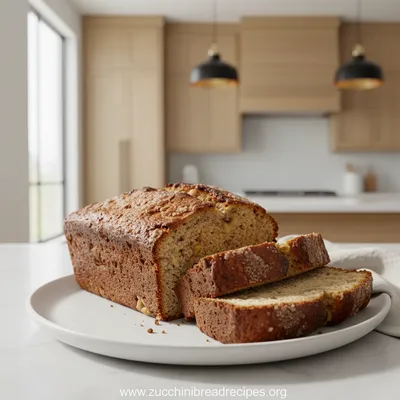 Classic
Best Banana Bread Recipe
Soft, sweet banana bread made with ripe bananas, a touch of butter, and simple pantry staples.
Tools You'll Need
-
9‑inch round cake pan
-
Mixing bowls
-
Electric mixer or whisk
-
Zester
-
Measuring cups and spoons
-
Cooling rack
Must-Know Tips
-
Don’t over‑mix after adding flour; it keeps the cake tender.
-
Use fresh orange zest for the brightest aroma.
-
Let the glaze set for a few minutes before slicing.
Professional Secrets
-
Room‑temperature eggs blend more evenly with butter.
-
Sifting flour adds extra air for a lighter crumb.
-
Glazing while the cake is warm creates a shiny finish.

Recipe by
Emma Harper🥖✨ Lover of timeless recipes, cozy kitchens, and golden loaves. Always baking memories with love ❤️🍽️.
Get Delicious Recipes Weekly
Join 25,000+ home cooks getting our best recipes straight to their inbox.
Free forever • No spam • Unsubscribe anytime