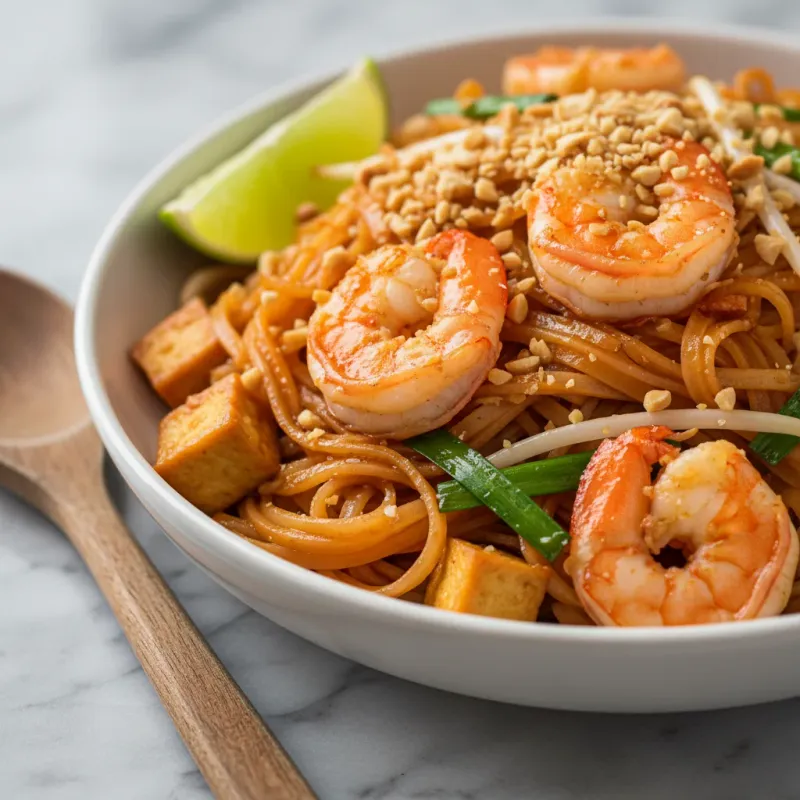
This Easy Shrimp Pad Thai brings the familiar comfort of a Thai street stall right to your kitchen. Honestly, the bright scent of lime and garlic makes the whole house feel warm, and the Kung Pao shrimp link reminded me of a favorite spicy side.
The essence of the dish
A harmony of sweet shrimp, tangy tamarind, and crunchy vegetables, all tossed with silky rice noodles.
A fun fact or historical angle
During the 1930s, the Thai government promoted Pad Thai to forge a national identity around affordable street food.
Flavor or sensory focus
You’ll notice the bright citrus pop of lime, the subtle heat from chili flakes, and the comforting richness of toasted peanuts.
You Must Know
- Don’t over‑soak noodles – they become mushy
- High heat keeps shrimp tender
- Balance sauce before the final toss
Honestly, mastering the balance is a gentle dance. The sauce should coat the noodles without drowning them, and the shrimp should stay pink and firm. When you get it right, the dish feels like a warm evening on a bustling Bangkok street.
The story behind it
Originating in post‑war Thailand, Pad Thai was promoted as a modern, affordable street food that used local rice noodles, peanuts, and tamarind. The dish quickly became a national symbol, celebrated for its balance of sweet, sour, salty, and umami notes. It traveled worldwide, adapting to local tastes while keeping its core harmony. Today, a quick version at home can capture that bustling market atmosphere without the long wait.
Why You'll Love It
- Ready in 30 minutes, perfect for busy evenings
- Fresh shrimp give a sweet, tender bite
- Tamarind sauce delivers a gentle tang
- Crunchy veggies add texture contrast
Tips for success
- Don’t overcrowd the pan – cook shrimp in batches.
- Let the sauce simmer briefly to meld flavors.
- Taste and adjust seasoning before serving.
Professional secrets
- Room temperature shrimp sear evenly.
- High heat creates a subtle char on the garlic.
- A pinch of sugar rounds out the tamarind’s acidity.
Common mistakes to avoid
- Over‑soaking noodles leads to mushiness.
- Adding beans sprouts too early makes them soggy.
- Cooking on low heat prevents the sauce from caramelizing.
Substitutions
- Shrimp: Firm tofu or turkey breast. Adjust cooking time for tofu – press and dry before searing.
- Fish sauce: Soy sauce or coconut aminos. Soy sauce adds a different depth; reduce sugar slightly.
Variations
- Spicy Version: Add extra chili flakes or a dash of sriracha for a kick.
- Mediterranean Style: Swap peanuts for toasted almonds and add sun‑dried tomatoes.
Storage
Store leftovers in an airtight container in the fridge for up to 2 days; reheat gently in a skillet.
Make ahead
You can whisk the sauce and store it in the fridge for up to 2 days; shrimp can be marinated for 30 minutes before cooking.
Leftovers
Reheat gently in a skillet with a splash of water to revive the noodles' softness.
Serving ideas
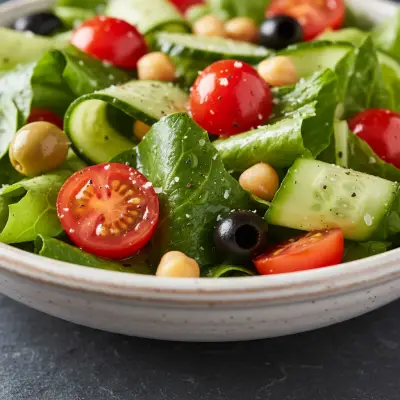
- Serve over a bed of lettuce for a lighter option.
- Top with extra peanuts for crunch.
- Pair with a chilled Thai iced tea.
- Garnish with fresh cilantro leaves.
Allergy information
Contains shellfish, peanuts, and soy (if using soy sauce substitute).
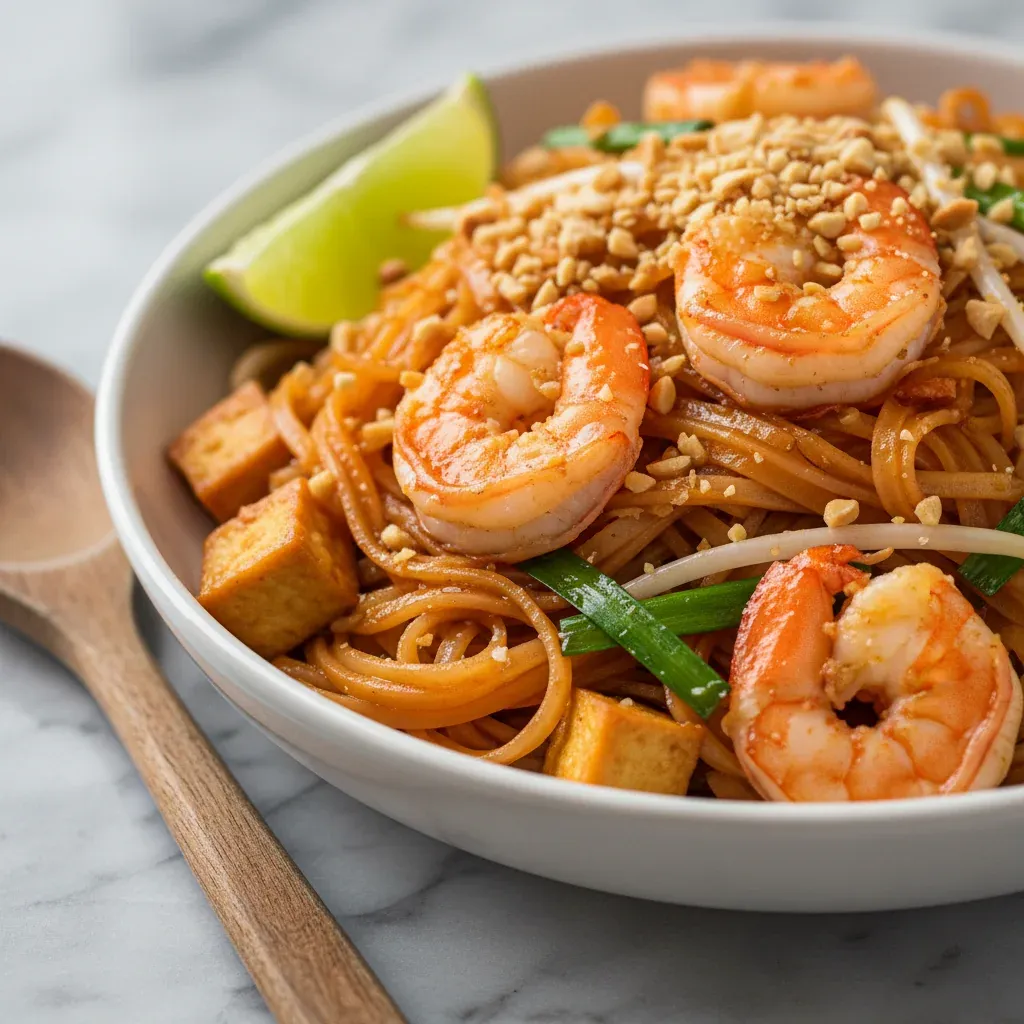
Easy Shrimp Pad Thai – Ready in 30 Minutes
Quick and flavorful Shrimp Pad Thai, perfect for a busy weeknight.
- Prep time
- 15 min
- Cook time
- 25 min
- Total time
- 40 min
- Difficulty
- Easy
- Cuisine
- Thai
- Course
- Main Course
Ingredients
Main Ingredients
For the Sauce
Instructions
- 1
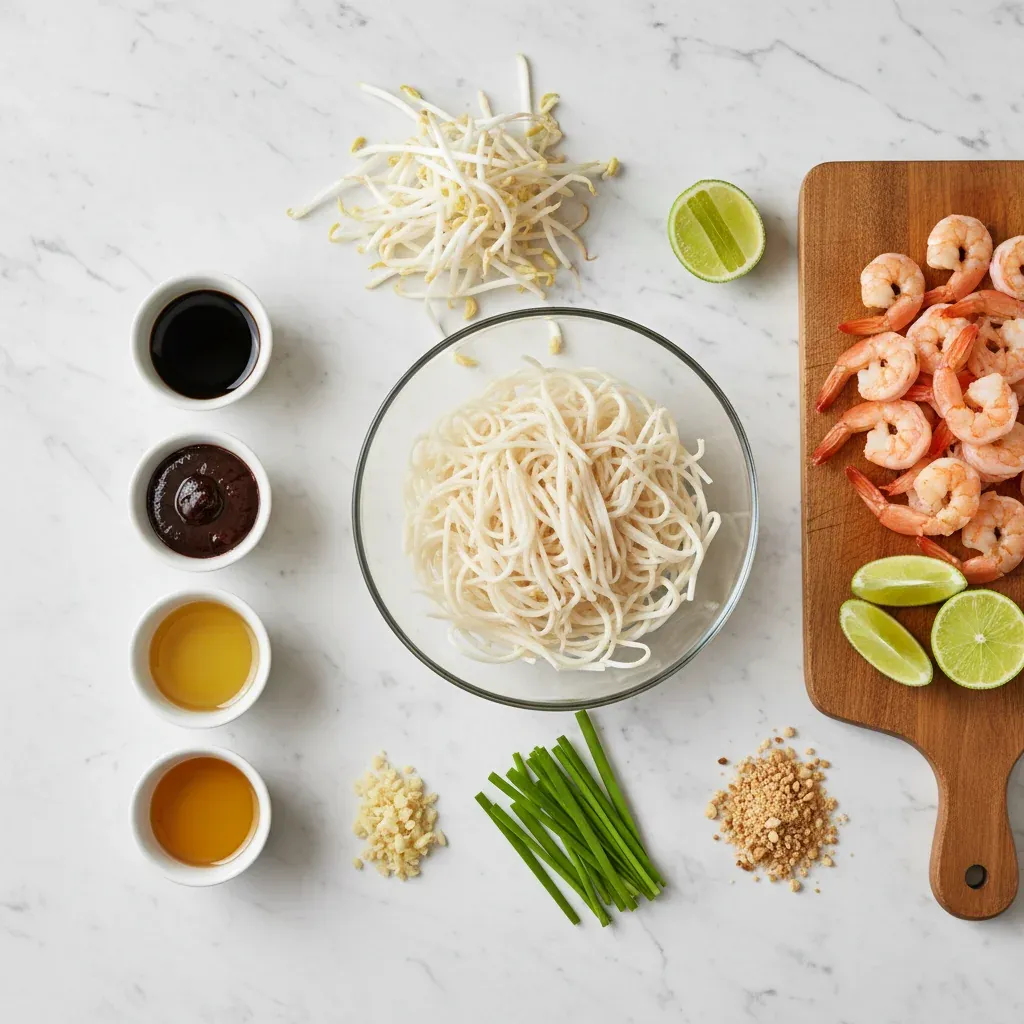
Soak rice noodles in warm water for 10‑12 minutes until pliable, then drain and set aside.
- 2
In a small bowl, whisk together tamarind paste, fish sauce, palm sugar, lime juice, and chili flakes. Adjust sweetness or sourness as desired.
- 3
Heat a wok over medium‑high heat, add 1 tbsp oil, and sear the shrimp for 2‑3 minutes until pink. Remove and set aside.
- 4
Add remaining oil, sauté garlic until fragrant, then toss in carrots and green onions. Stir for 1 minute.
- 5
Return shrimp to the pan, add the drained noodles, and pour the sauce over everything. Toss quickly, letting the sauce coat the noodles.
- 6
Stir in bean sprouts, cook for another minute, then remove from heat. Sprinkle with chopped peanuts and fresh cilantro.
- 7
Serve hot, with lime wedges on the side. For extra depth, try the High Protein shrimp variation.
Nutrition per serving
- 420 kcal
- Calories
- 28 g
- Protein
- 48 g
- Carbs
- 14 g
- Fat
Tips & notes
- If the noodles cling, add a splash of the soaking water. - Keep the wok hot; this prevents the shrimp from stewing. - Taste the sauce before the final toss to ensure balance.
Frequently asked questions
Can I use frozen shrimp?
Yes, thaw them fully and pat dry; this prevents excess water in the pan.
What if I don’t have tamarind paste?
A mix of lime juice and a touch of brown sugar can mimic the sweet‑sour profile.
Is there a gluten‑free option?
Use rice noodles and ensure the fish sauce is gluten‑free; all other ingredients are safe.
How spicy should I make it?
Add chili flakes to taste; start with a pinch and increase gradually.
Can I prep ahead?
Yes, sauce can be mixed and stored; keep noodles separate until cooking.
What side pairs well?
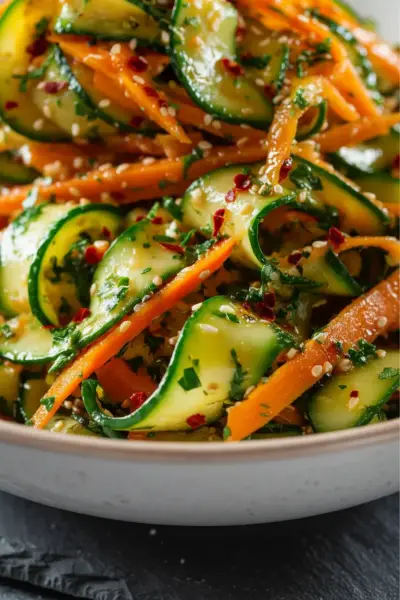
A simple cucumber salad or steamed jasmine rice balances the flavors nicely.

Ava Brooks
⏱️🥄 Busy baker, one-bowl expert, and mini-loaf maker. Fast recipes with maximum yum 😋🔥.