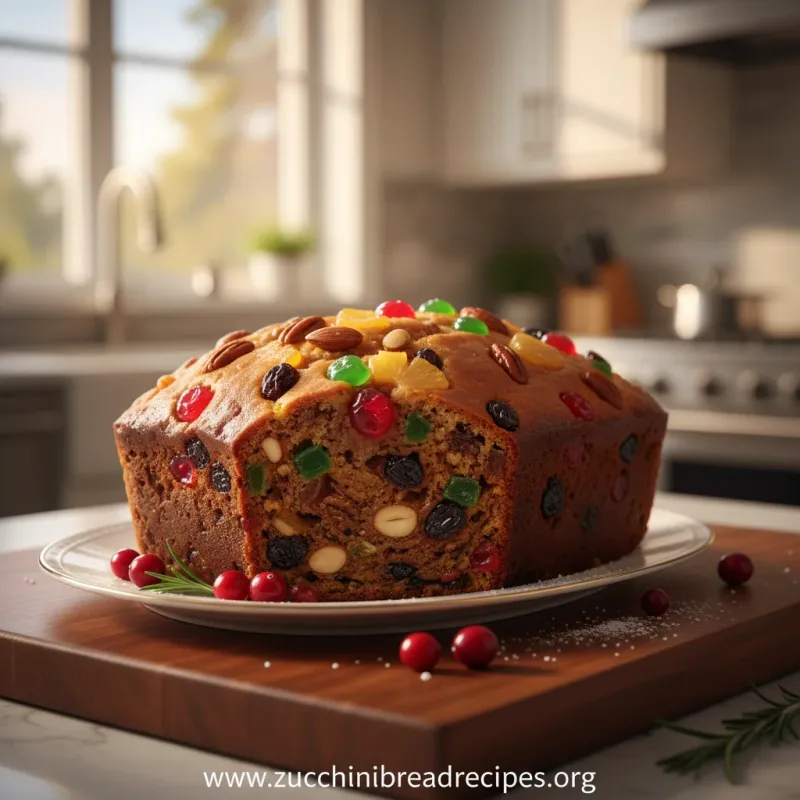
Honestly, when you open the pantry and the scent of dried fruit mingles with nutmeg, you feel a gentle nostalgia. This cake is built on that feeling, with a tender crumb that stays moist for days. If you love a slice of German fruit cake, you’ll appreciate the subtle difference here, and the citrus delight notes that whisper through the butter.
The essence of the dish
A buttery, spiced loaf packed with plump fruit and toasted nuts, where each bite feels like a soft, fragrant hug.
A fun fact or historical angle
During World War II, fruitcakes were shipped to soldiers overseas because they could endure long journeys without spoiling.
Flavor or sensory focus
The gentle orange zest lifts the deep caramel of the butter, while warm spices linger on the tongue.
You Must Know
- Do not over‑mix the batter
- Use a water bath for even heat
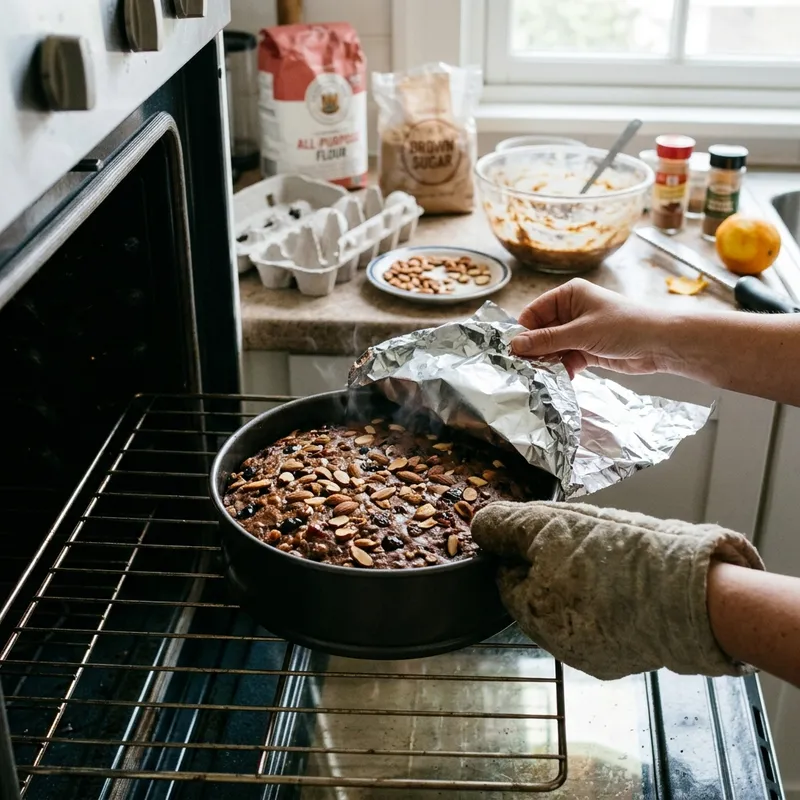
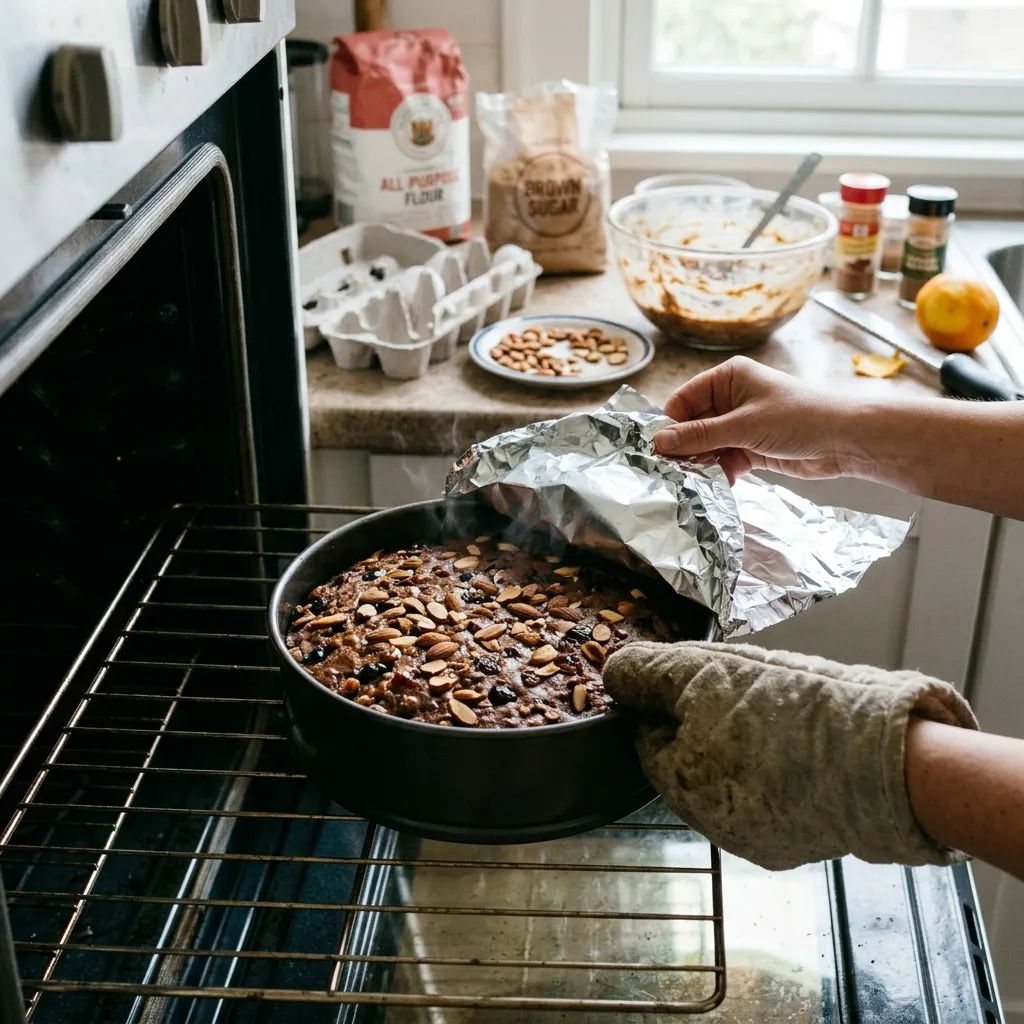
- Cover with foil if the top browns too quickly
Look, the key to a perfect fruitcake is patience. Let the batter rest, bake gently, and then let it sit. I’ve found that a day of rest lets the flavors meld even more. It’s a simple ritual that turns an ordinary cake into a cherished tradition.
The story behind it
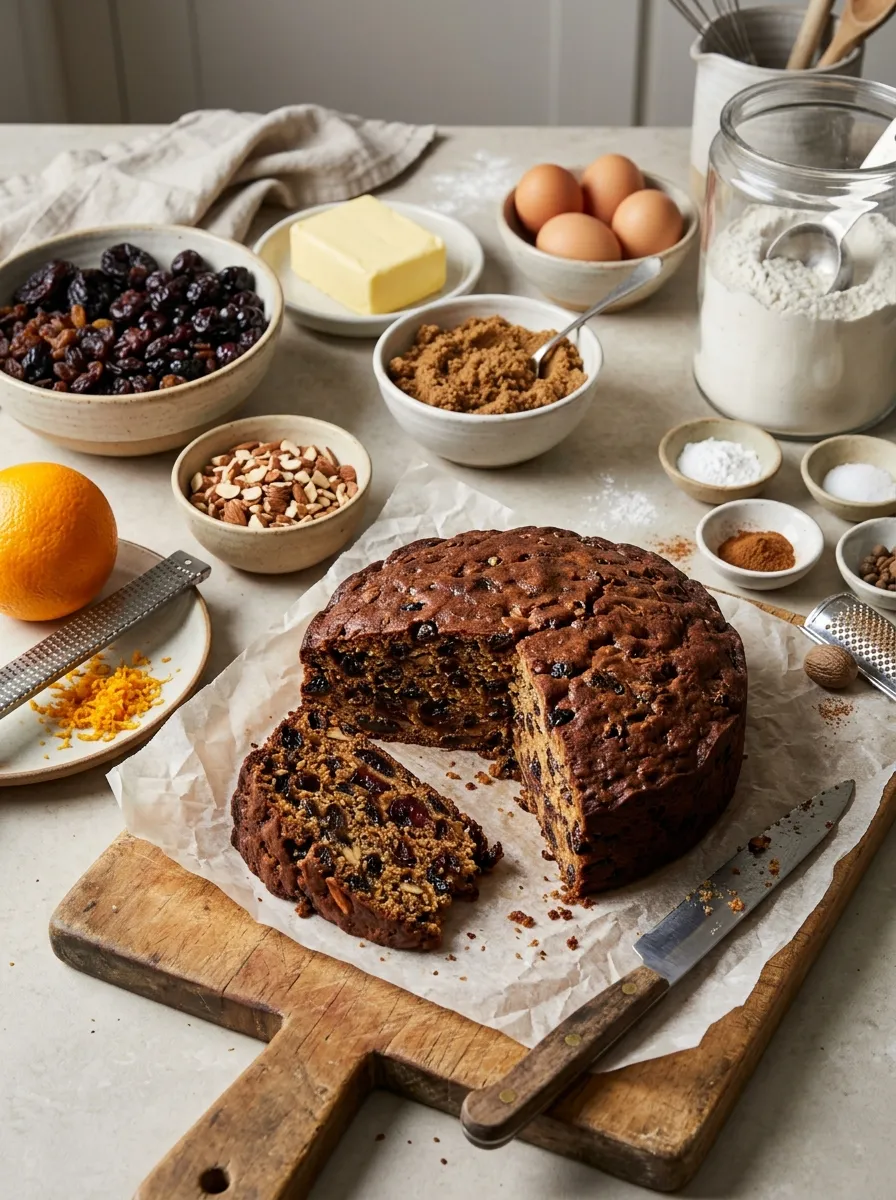
Fruitcakes trace their roots to medieval Europe, where they were prized as portable, long‑lasting desserts for travelers and festivals. The tradition spread across continents, each culture adding its local dried fruits and nuts. By the Victorian era, fruitcake had become a hallmark of holiday tables, celebrated for its richness and the ability to improve with age. This recipe honors that heritage, using time‑tested techniques while keeping the process simple for today’s home cooks.
Why You'll Love It
- Moist texture that lasts for a week
- Simple steps, no fancy equipment
- Warm spice profile that feels like a hug
- Versatile for any holiday or celebration
Tips for success
- Do not over‑mix after adding flour, it makes the cake dense.
- Cover with foil halfway through baking to keep moisture in.
- Allow the cake to rest before slicing for clean cuts.
Professional secrets
- Cream butter and sugar fully to incorporate air, creating a lighter crumb.
- Low oven temperature ensures even baking without drying the edges.
- Use a water bath if you fear the cake will dry out; the steam adds humidity.
Common mistakes to avoid
- Over‑mixing the batter, leading to a dense texture.
- Removing the foil too early, causing the top to dry out.
- Skipping the fruit soak, resulting in chewy dried fruit.
Substitutions
- Almonds: Walnuts or pecans. Will alter flavor slightly but keep the crunch
- Brown sugar: Maple sugar. Adds a hint of maple flavor; use the same amount
Variations
- Spicy Version: Add 1 tsp ground ginger and a pinch of cayenne for a subtle heat.
- Mediterranean Style: Fold in chopped dried figs, pistachios, and a drizzle of honey before baking.
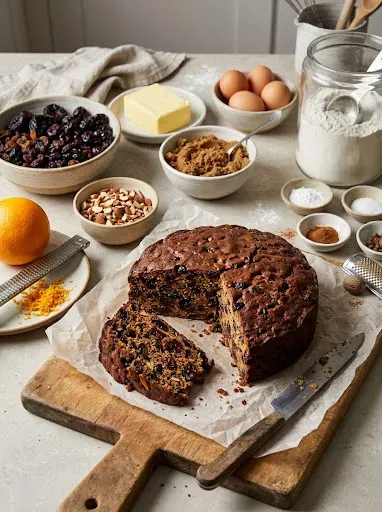
Storage
Wrap tightly in plastic wrap and foil; store at room temperature for up to a week, or refrigerate for longer.
Make ahead
You can soak the fruit and prepare the batter a day ahead; keep the batter refrigerated and bake when ready.
Leftovers
Reheat a slice gently in a toaster oven; a drizzle of orange marmalade revives the flavor.
Serving ideas
- Serve a slice with a dollop of clotted cream.
- Pair with a hot cup of spiced tea on a cold evening.
- Offer alongside a cheese platter for a sweet‑savory balance.
Allergy information
Contains nuts, eggs, dairy, and gluten.
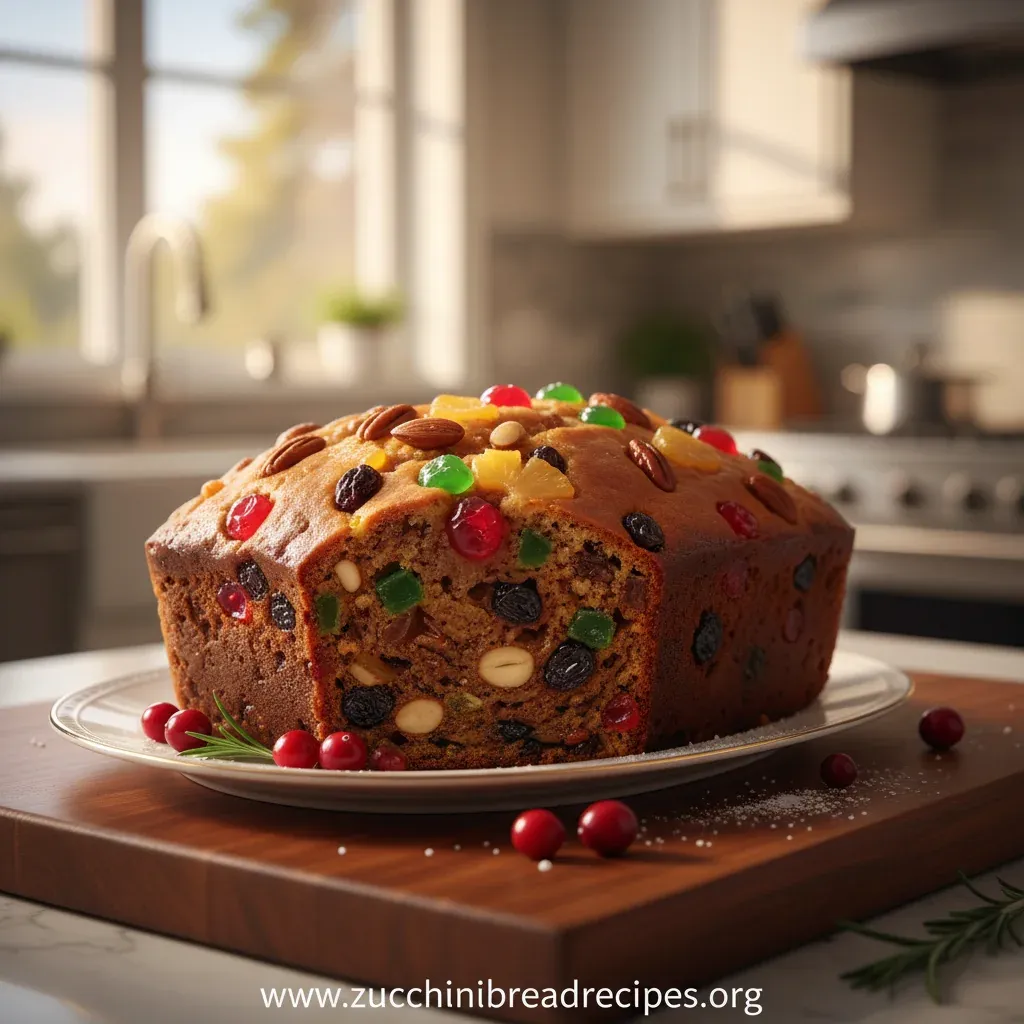
Easy Traditional Fruitcake Recipe That Stays Moist
Traditional fruitcake that stays moist, easy to bake, perfect for celebrations.
- Prep time
- 30 min
- Cook time
- 2 h
- Total time
- 2 h 30 min
- Difficulty
- Easy
- Cuisine
- Classic
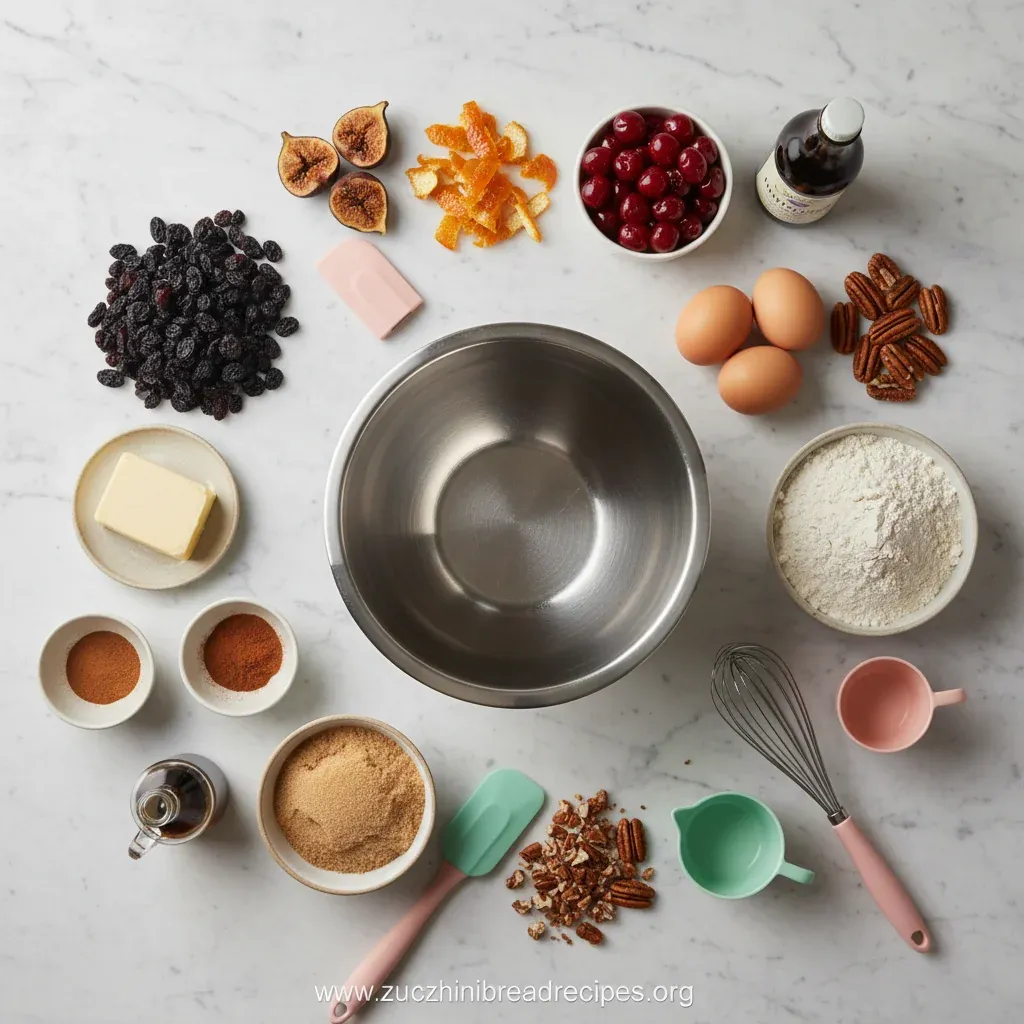
Ingredients
Cake
Glaze (optional)
Instructions
- 1
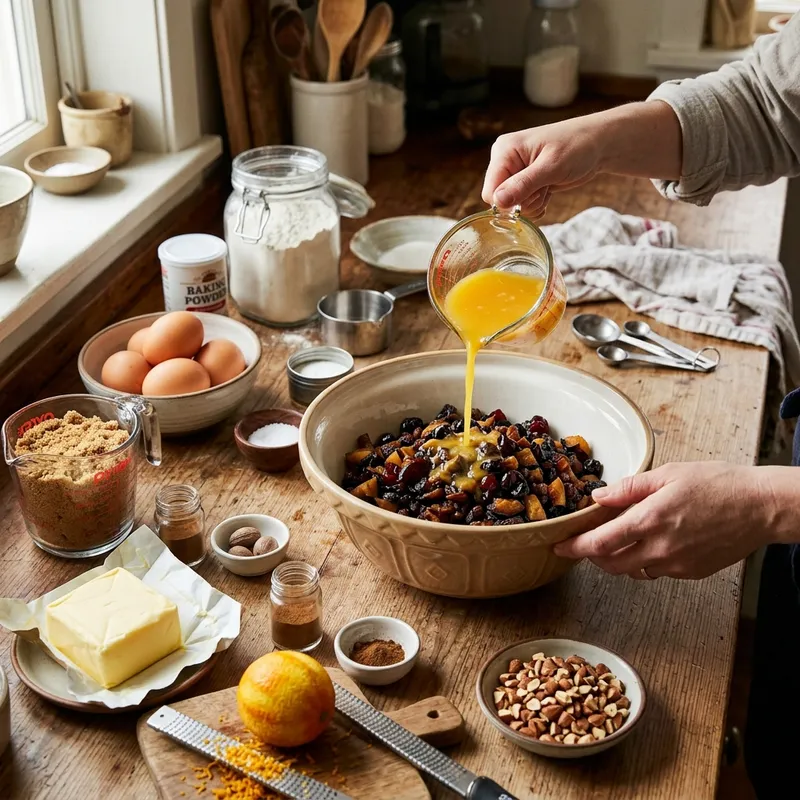
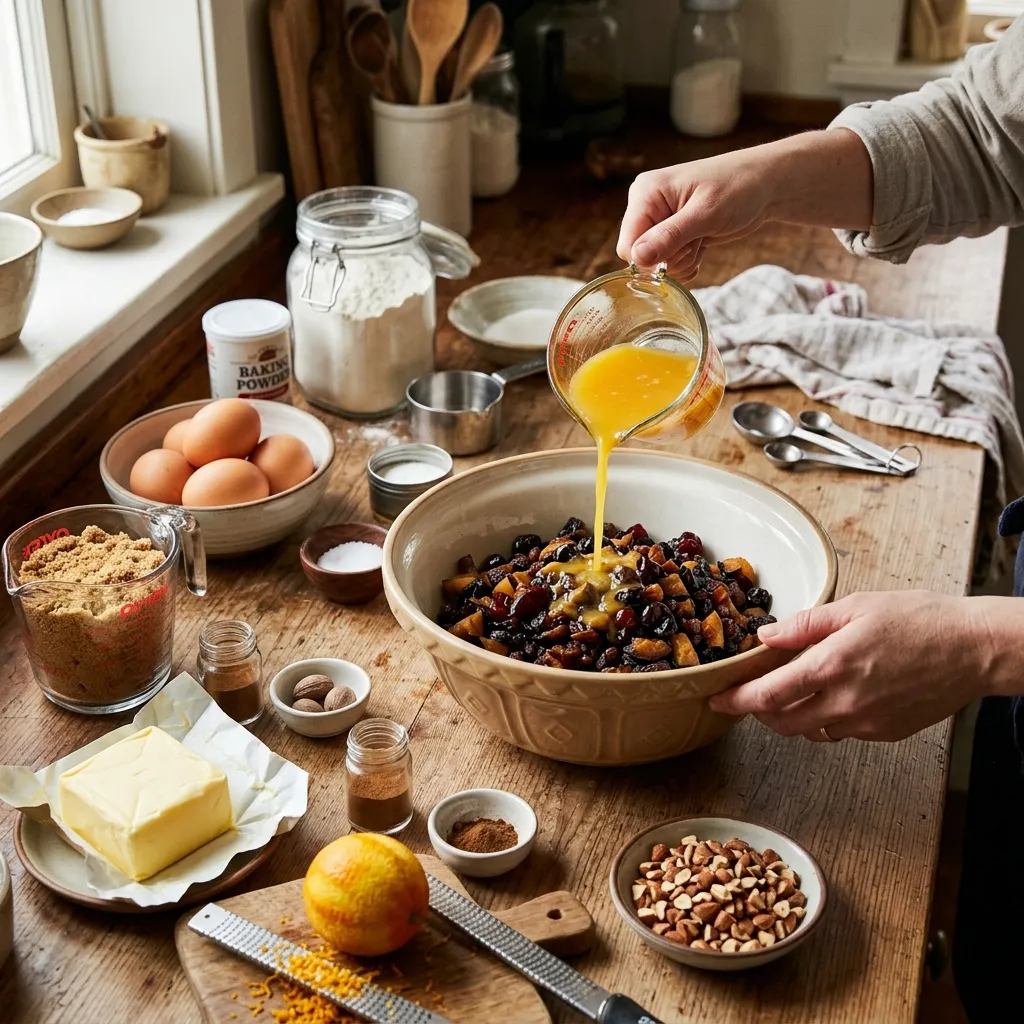
Place the dried fruit in a bowl, pour the orange juice over them, and let them soak for at least 4 hours or overnight.
- 2
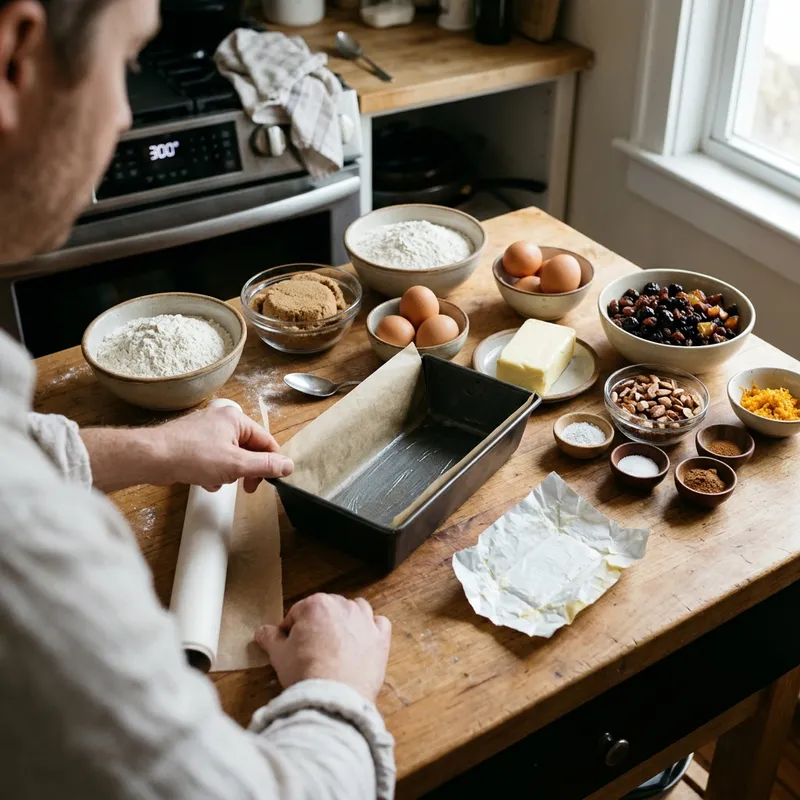
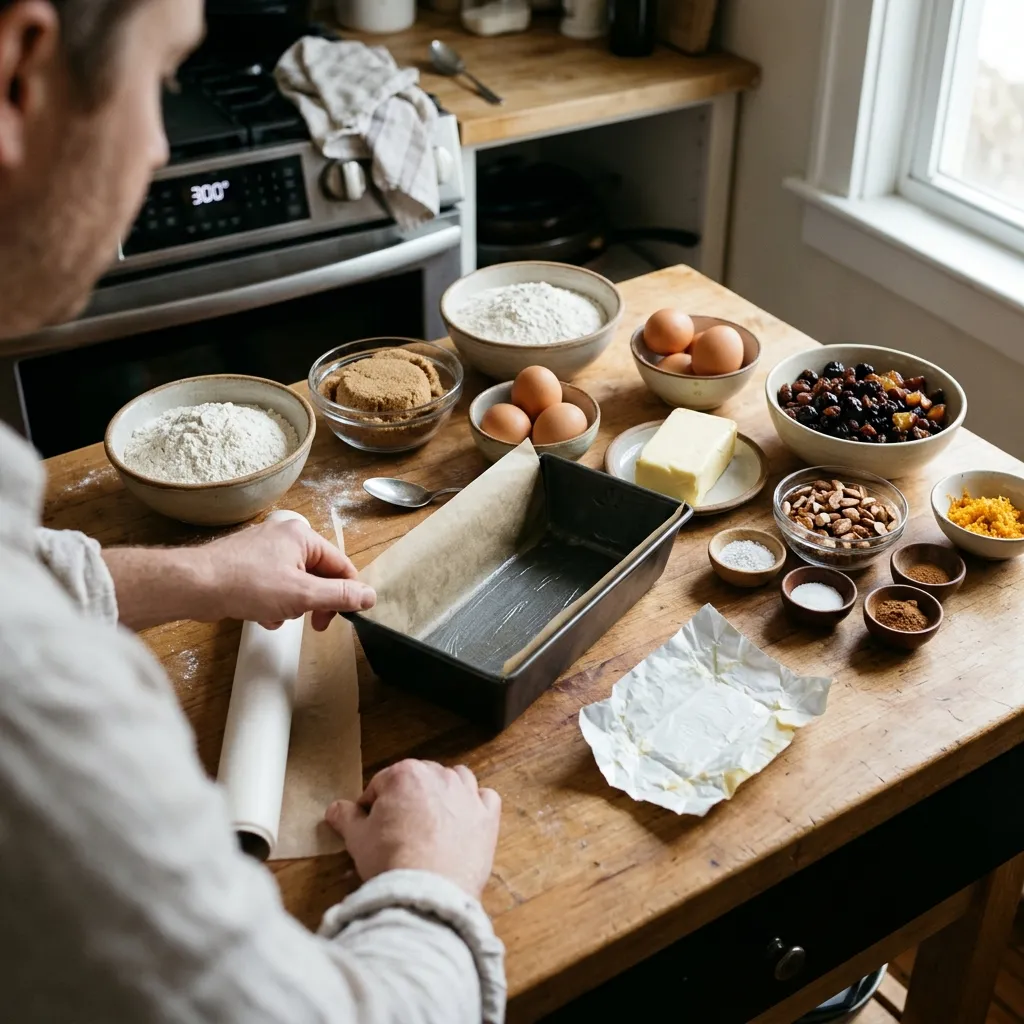
Preheat the oven to 300°F (150°C). Grease a 9‑inch loaf pan and line it with parchment.
- 3
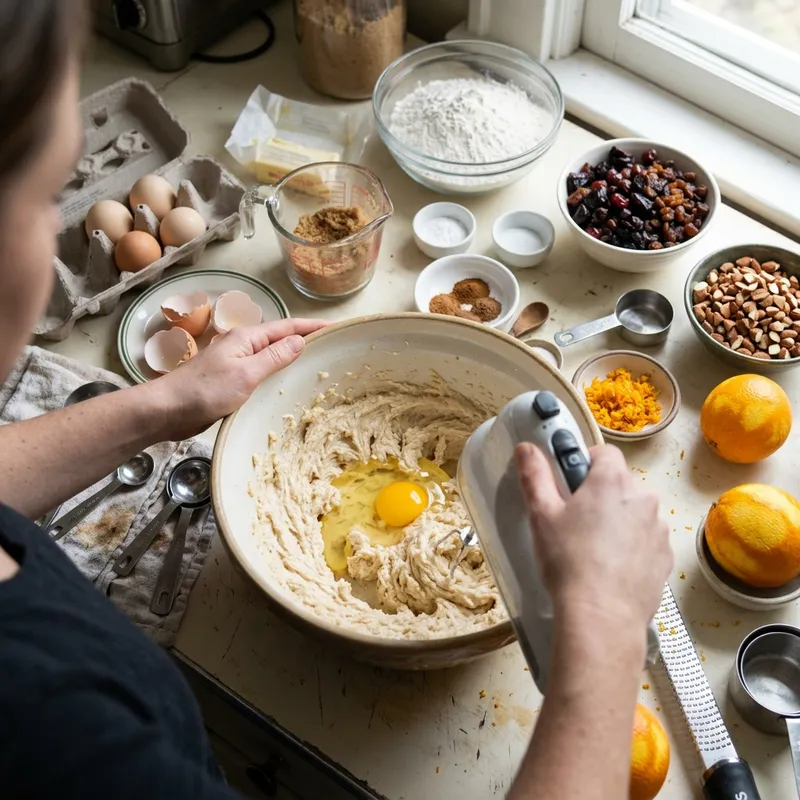
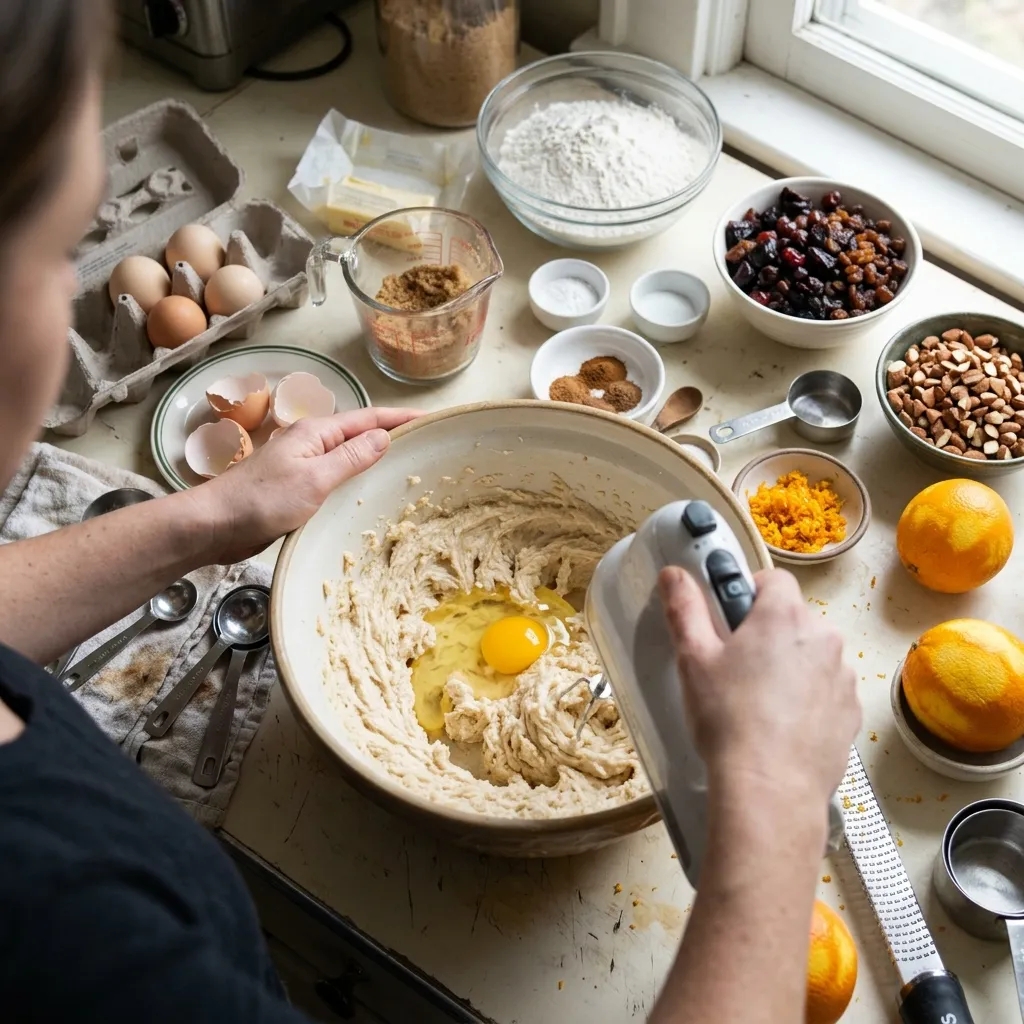
In a large bowl, cream the butter and brown sugar until light and fluffy; add the eggs one at a time, mixing well after each.
- 4
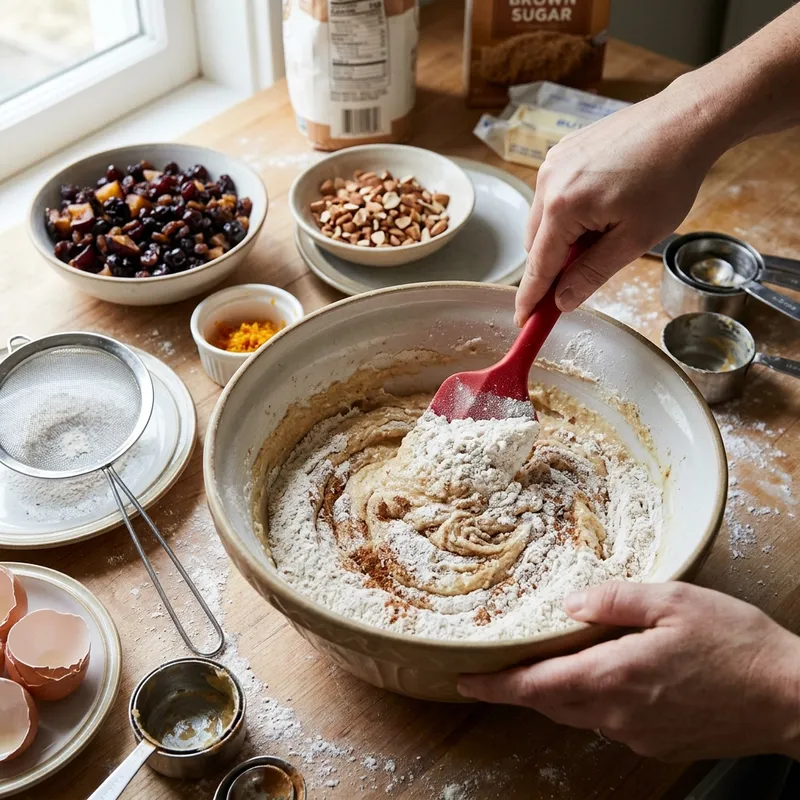
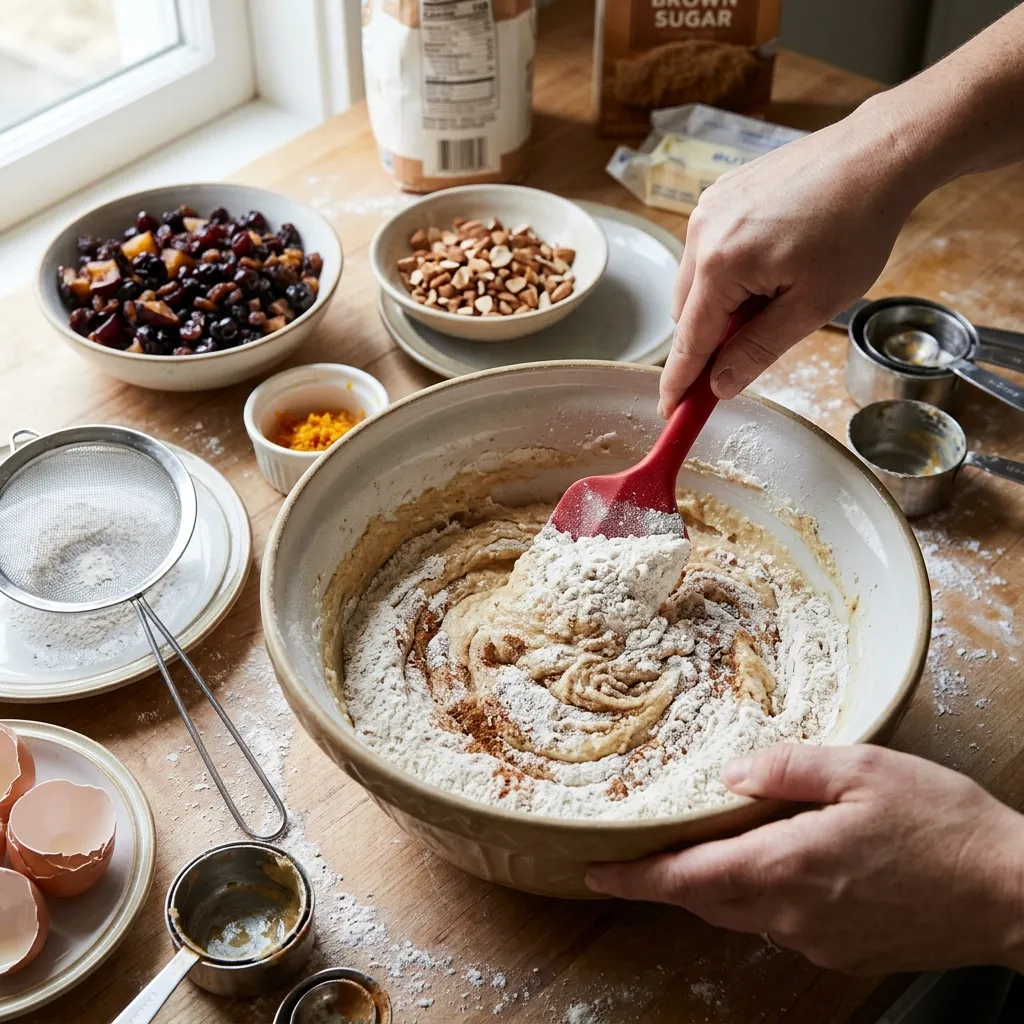
Sift together flour, baking powder, salt, and spices. Gradually fold the dry mixture into the butter mixture, being careful not to over‑mix.
- 5
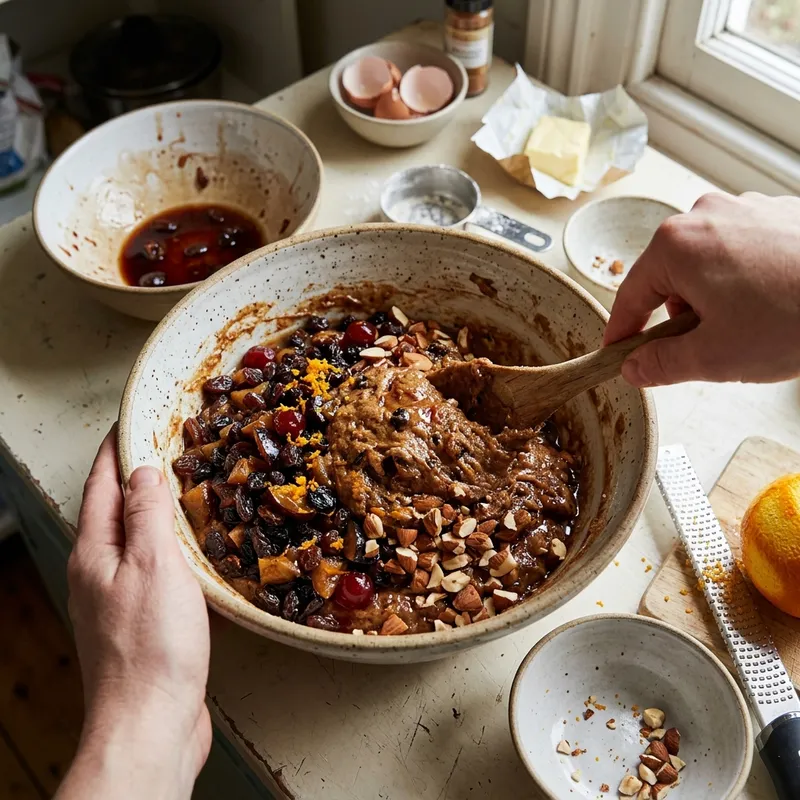
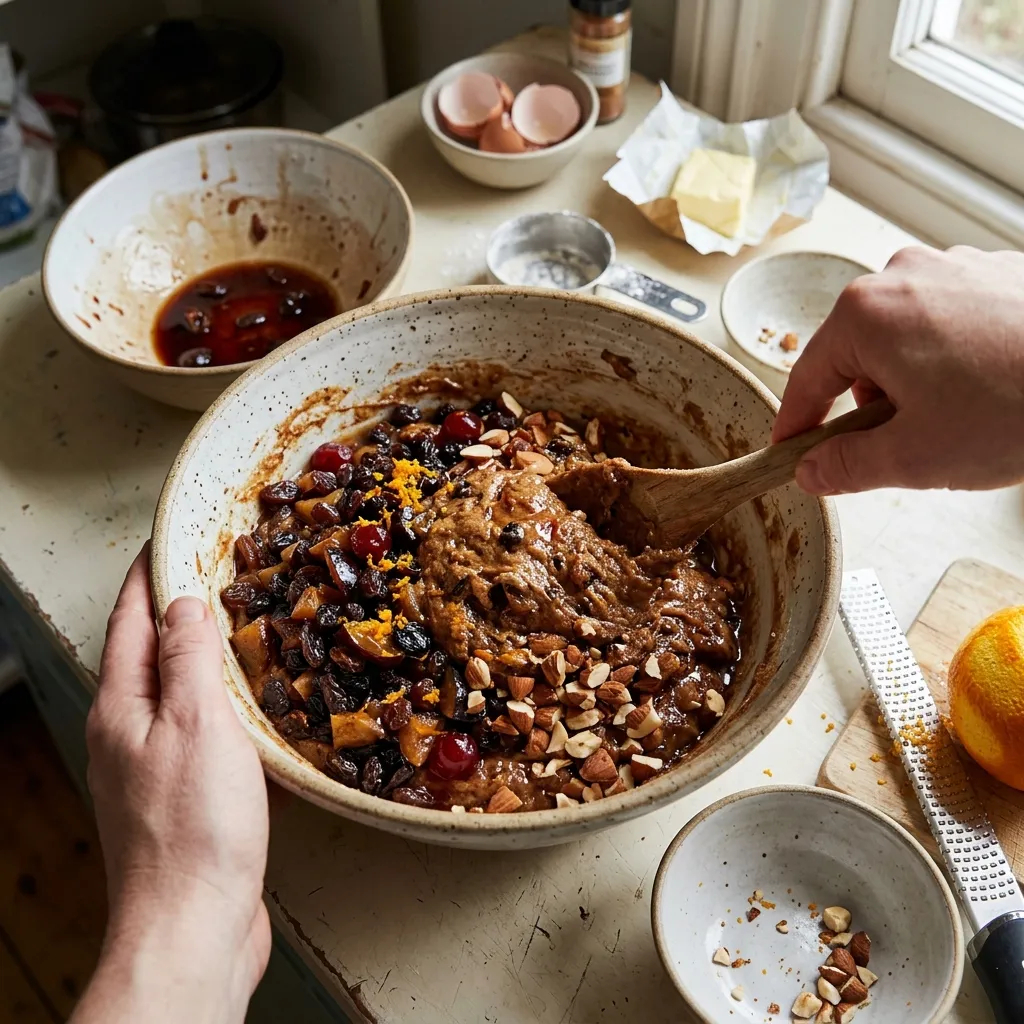
Stir in the soaked fruit (with any remaining juice), orange zest, and toasted almonds until evenly distributed.
- 6
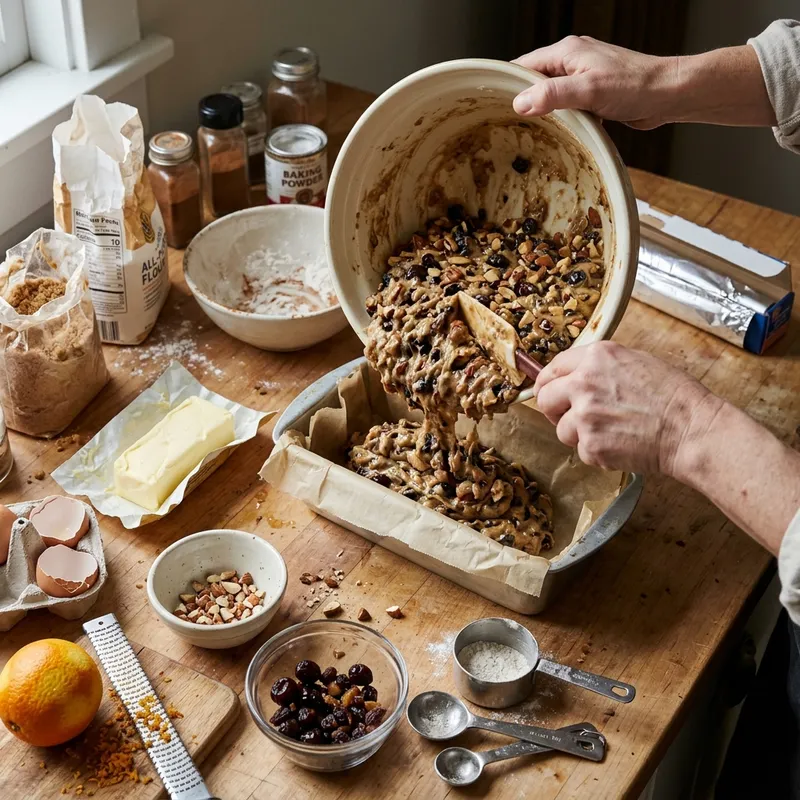
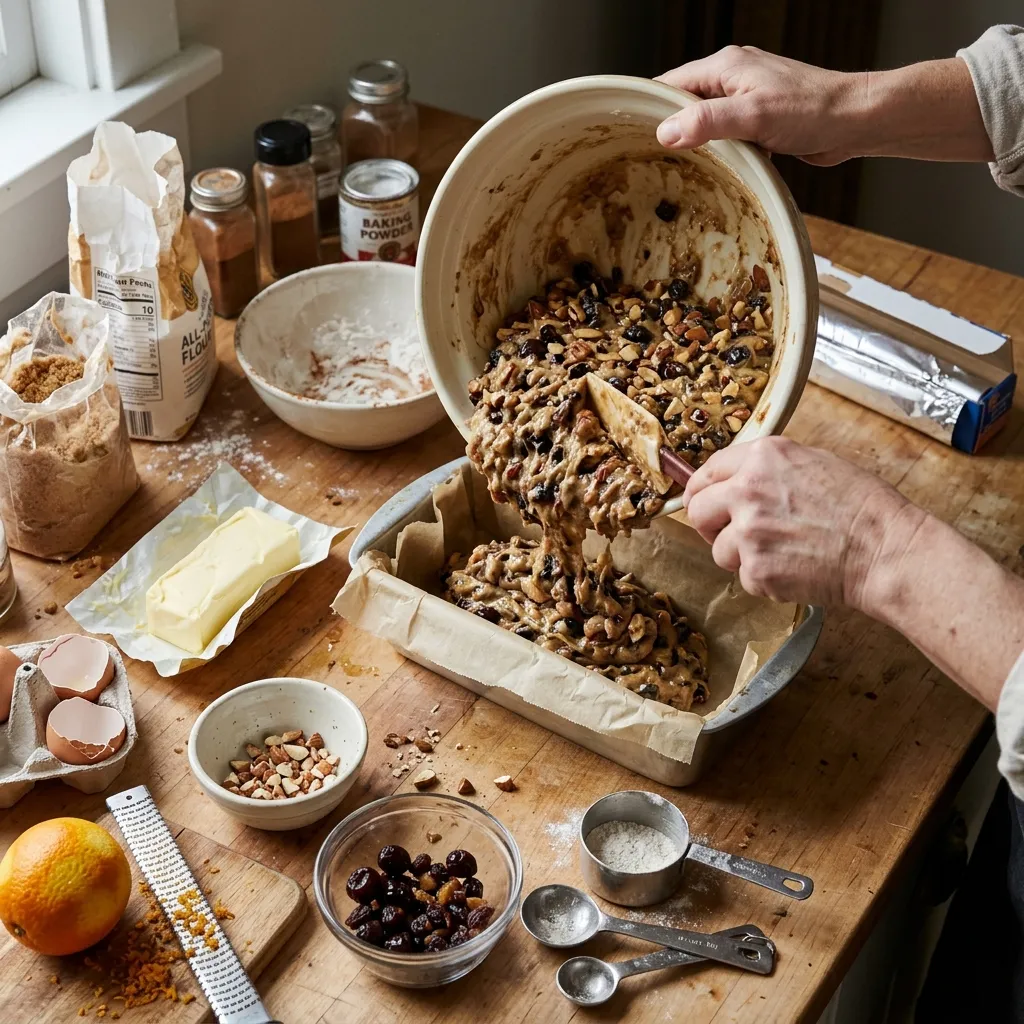
Pour the batter into the prepared pan, smooth the top, then cover loosely with foil.
- 7
Bake for 1 hour, then remove the foil and bake for another 45‑60 minutes, or until a skewer comes out clean.
- 8
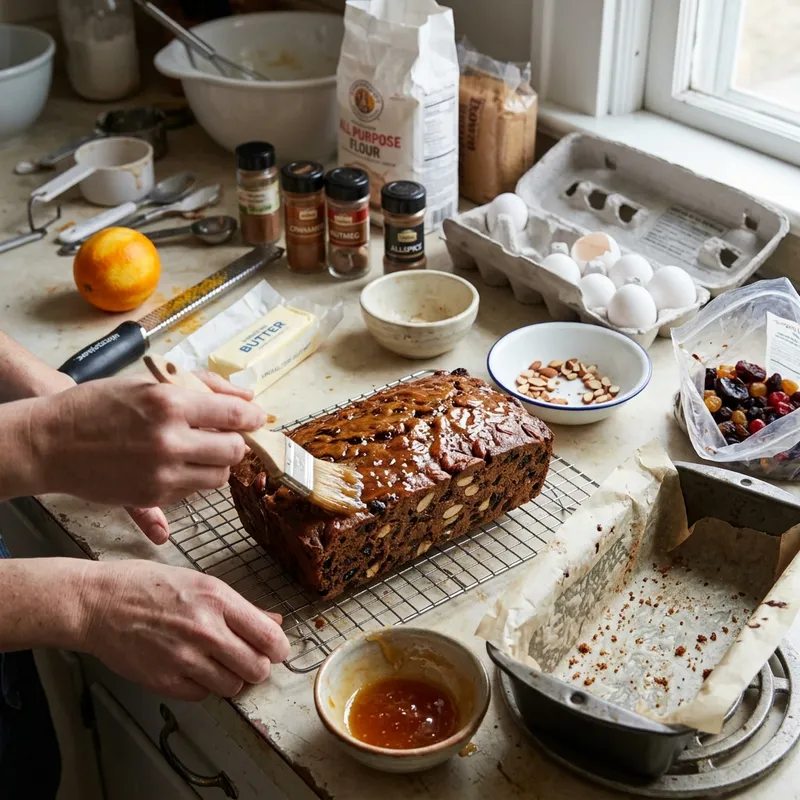
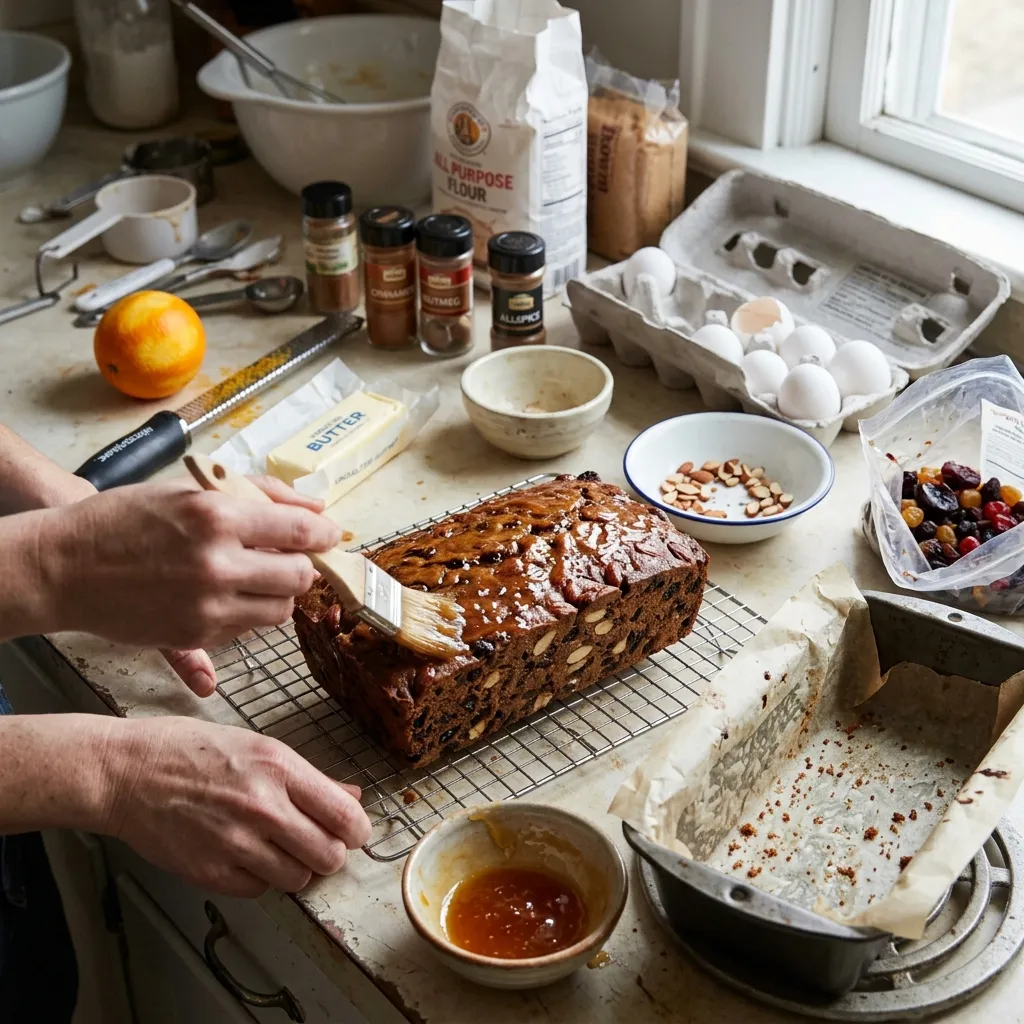
Cool the cake in the pan for 15 minutes, then turn out onto a wire rack. If using, brush with apricot glaze while still warm.
Nutrition per serving
- 420 kcal
- Calories
- 6 g
- Protein
- 48 g
- Carbs
- 22 g
- Fat
Tips & notes
- Make sure the butter is truly at room temperature; cold butter will leave pockets. - If the top begins to brown too quickly, add another layer of foil. - For extra depth, add a splash of brandy to the soaking juice.
Frequently asked questions
Can I use fresh fruit instead of dried?
Fresh fruit adds moisture but changes the texture; you’d need to reduce the liquid elsewhere.
How long will the cake stay moist?
If wrapped well, it stays moist for up to two weeks; flavor improves over time.
Do I need to soak the fruit?
Soaking is recommended; it plumps the fruit and infuses the batter with extra flavor.
Can I make this cake gluten‑free?
Yes, substitute a 1‑to‑1 gluten‑free flour blend and ensure your baking powder is certified gluten‑free.
What glaze works best?
A simple apricot glaze brushed after baking gives a shiny finish and a hint of sweetness.
Is it okay to add alcohol?
If you prefer, you can brush the cooled cake with a light rum or brandy, but it’s optional.

Emma Harper
🥖✨ Lover of timeless recipes, cozy kitchens, and golden loaves. Always baking memories with love ❤️🍽️.