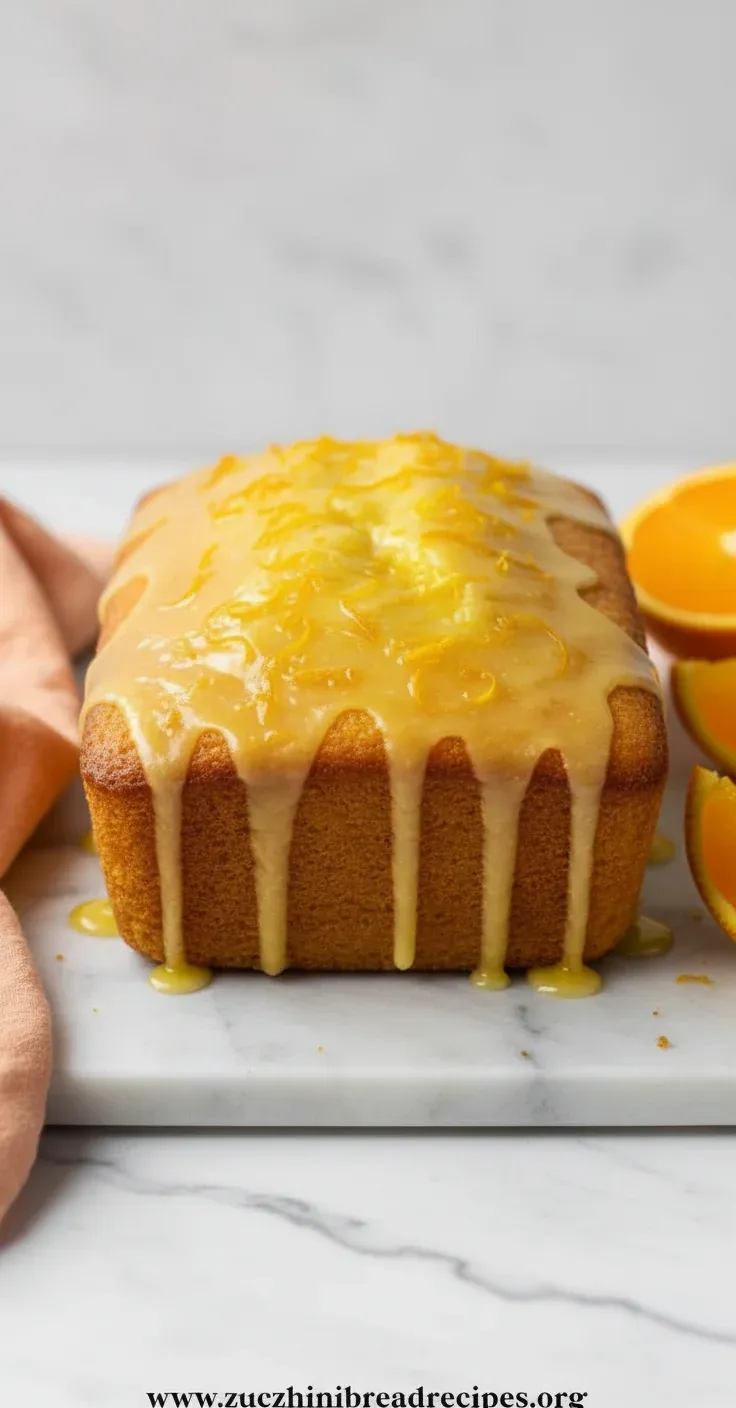
Honestly, I remember the first time I baked a loaf that smelled like a winter orange grove. The kitchen filled with that sweet, zesty perfume, and I thought, wow, this is exactly what a calm afternoon needs. So, here’s my gentle guide to a loaf that stays moist and fragrant, no fuss required.
The essence of the dish
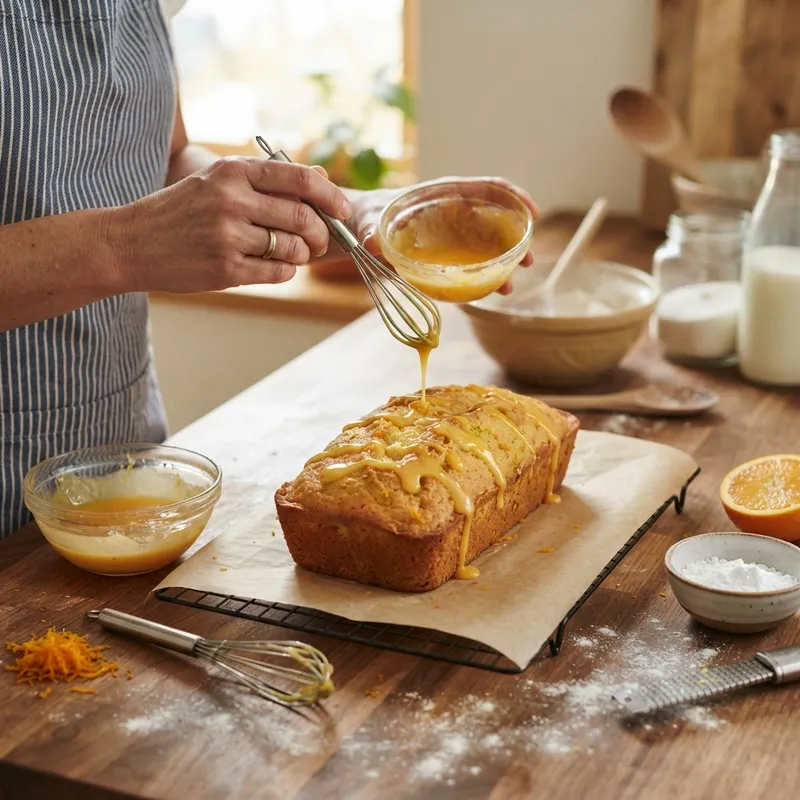
A tender crumb infused with orange zest, balanced sweet‑sour notes, and a glossy glaze that catches the light.
A fun fact or historical angle
In colonial kitchens, orange marmalade was a prized preserve, often incorporated into baked goods to stretch limited sugar supplies.
Flavor or sensory focus
You’ll notice the bright citrus aroma first, followed by a buttery melt‑in‑your‑mouth texture that hints at caramelized sugar.
You Must Know
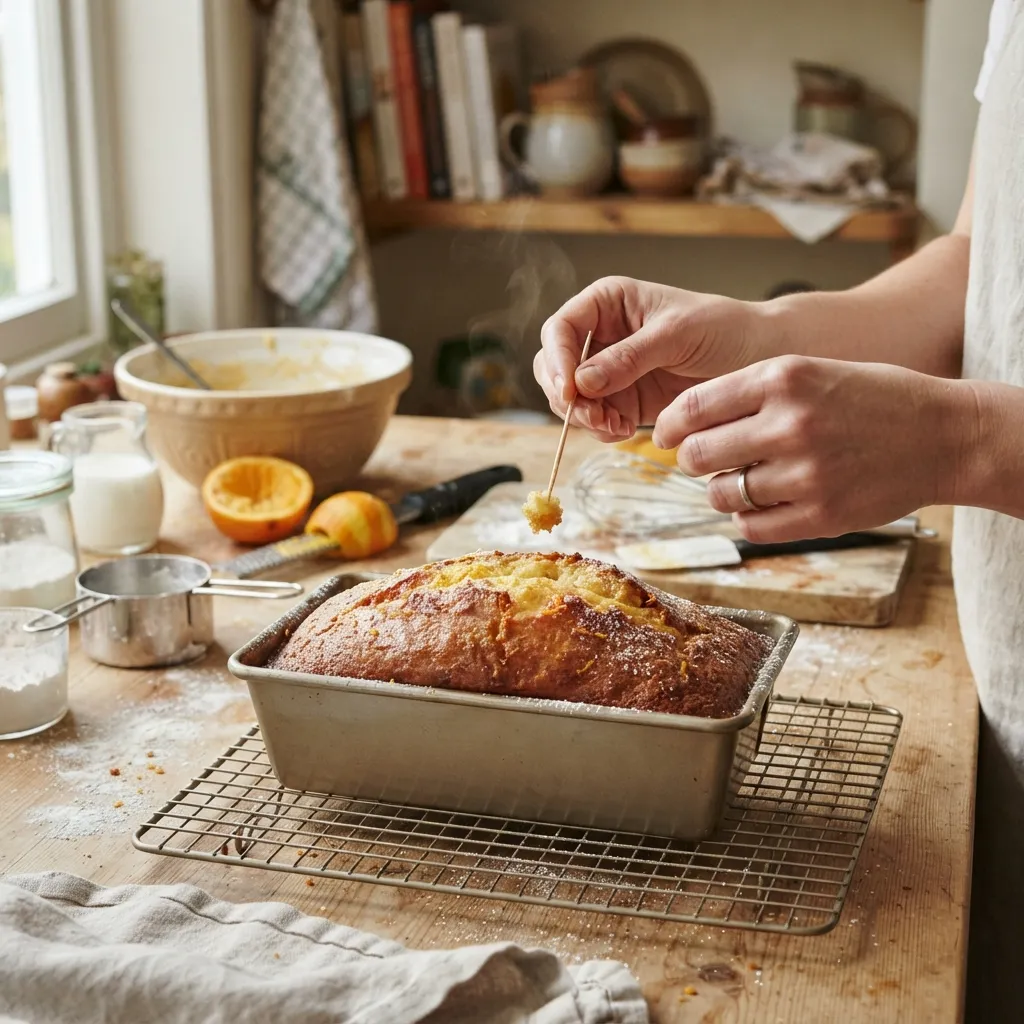
- Don’t over‑bake – the loaf stays moist when just set.
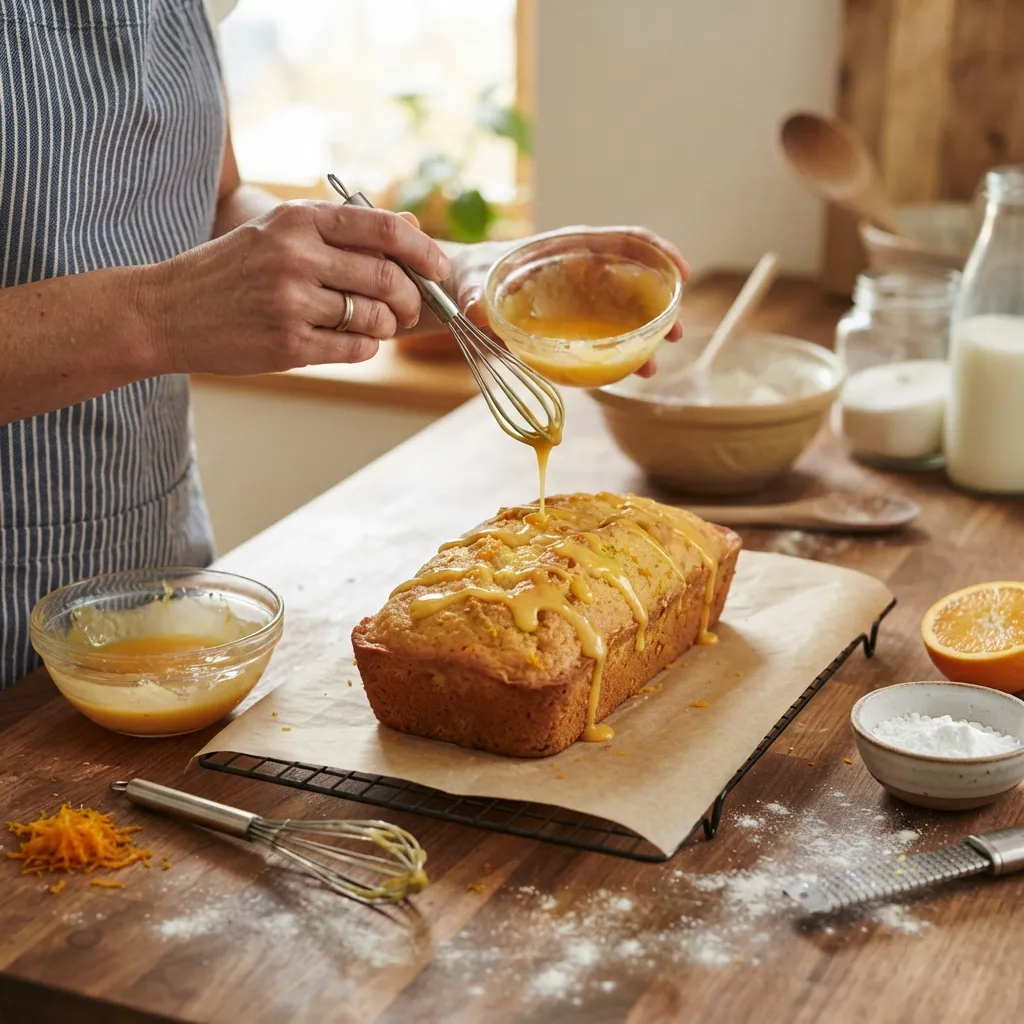
- Glaze adds moisture and a subtle shine.
- Cool on a rack to avoid soggy bottoms.
Honestly, these points keep the loaf from turning into a dry brick. When the edges are just golden and the center springs back lightly, you’ve nailed it. Let it rest a few minutes, then slice and savor.

The story behind it
The orange loaf cake traces its roots back to early American bakeries where home cooks would use seasonal citrus to brighten winter tables. Its simple ingredients—flour, butter, sugar, and fresh orange zest—make it a timeless classic that endures because it offers comfort without complicating the process. The cake reflects a tradition of using what the garden provides, turning humble fruits into lasting memories.
Why You'll Love It
- Moist crumb that stays tender for days
- Bright citrus flavor without being overpowering
- Simple pantry staples, no fancy equipment
- Lovely glaze adds a glossy finish
Tips for success
- Do not over‑mix after adding flour – it keeps the crumb tender.
- Room‑temperature butter and eggs blend more evenly.
- Taste the glaze before drizzling; adjust sweetness if needed.
Professional secrets
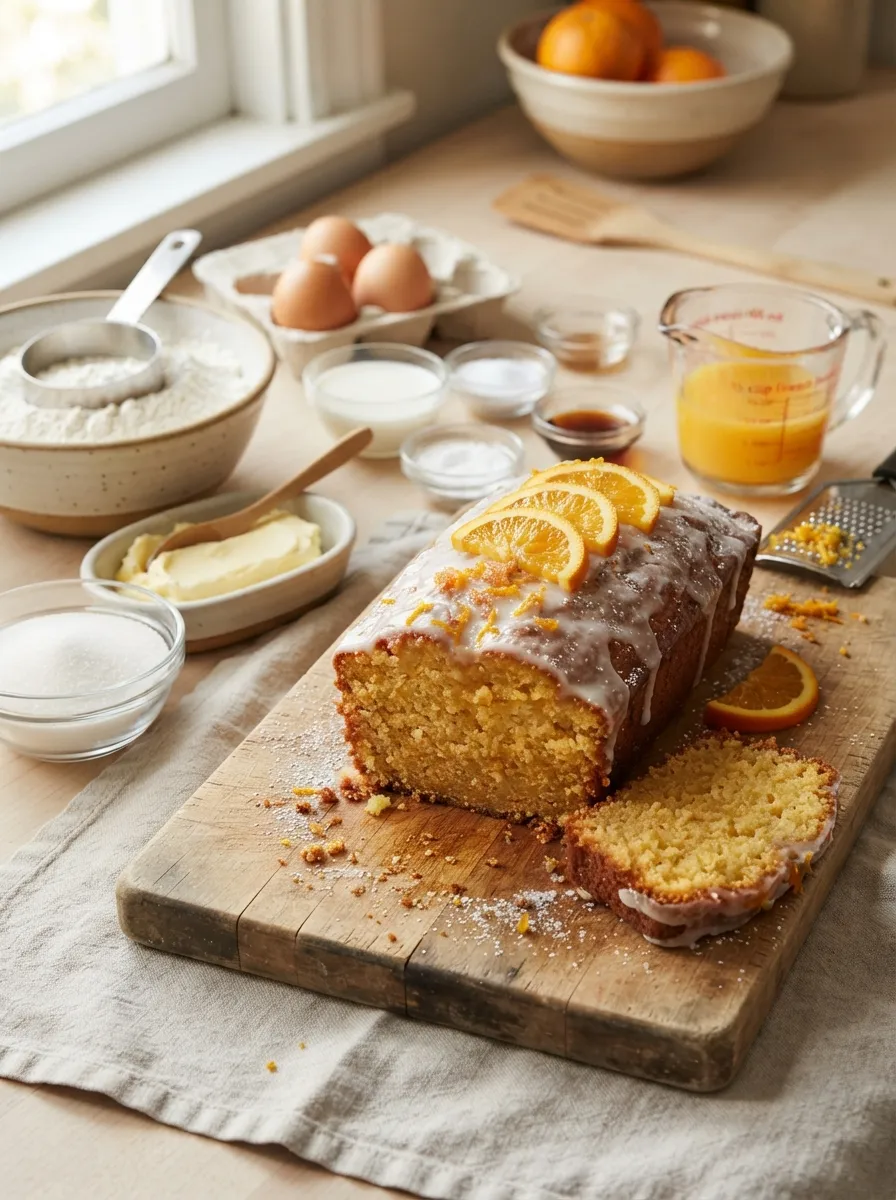
- Cream butter and sugar until pale – creates air pockets for lift.
- Use fresh orange juice, not concentrate, for true flavor.
- Let the loaf rest before slicing to finish steam inside.
Common mistakes to avoid
- Over‑mixing after adding flour, which makes the crumb dense.
- Opening the oven door too often, causing the loaf to sink.
- Using bottled orange juice, which lacks zest oils.
Substitutions
- All‑purpose flour: Whole‑wheat flour. Provides a nuttier flavor; may need a slightly longer bake.
- Butter: Margarine or coconut oil. Coconut oil adds a subtle tropical note.
Variations
- Spicy Version: Add a pinch of ground ginger and a dash of orange‑infused chili oil to the batter.
- Mediterranean Style: Stir in crumbled feta and sliced olives after folding in the flour.
Storage
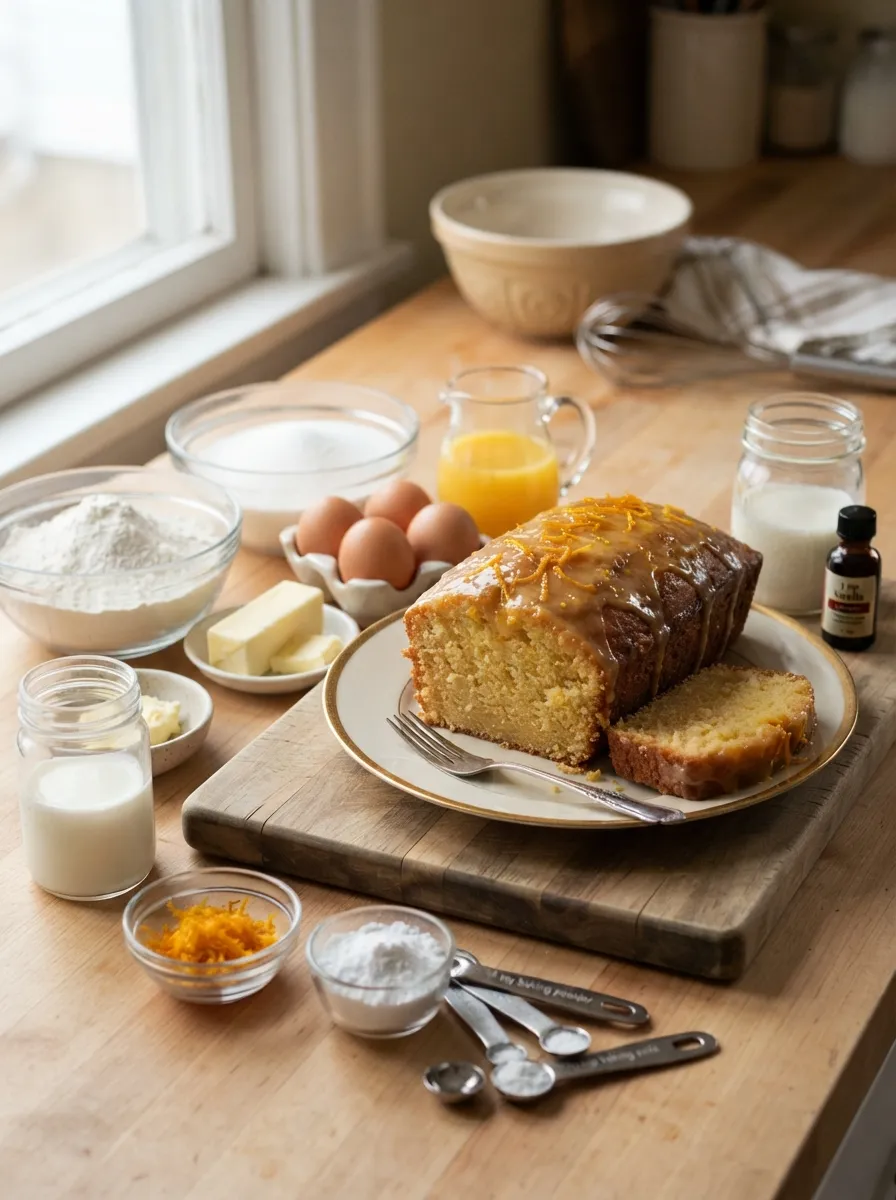
Wrap tightly in plastic wrap or store in an airtight container; keeps fresh up to four days.
Make ahead
You can bake the loaf a day ahead; wrap it tightly and re‑heat slices gently before serving.
Leftovers
Store slices in the fridge; toast lightly before serving to revive texture.
Serving ideas
- Slice and serve with a dollop of vanilla Greek yogurt.
- Pair with a light citrus salad for a brunch spread.
- Garnish each slice with a thin orange slice for visual appeal.
Allergy information
Contains dairy, eggs, and wheat.
- Prep time
- 15 min
- Cook time
- 45 min
- Total time
- 1 h
- Difficulty
- Easy
- Cuisine
- American
- Course
- Dessert
Ingredients
Main Ingredients
Orange Glaze
Instructions
- 1
Preheat the oven to 350°F (175°C). Grease a 9×5‑inch loaf pan and line with parchment.

- 2
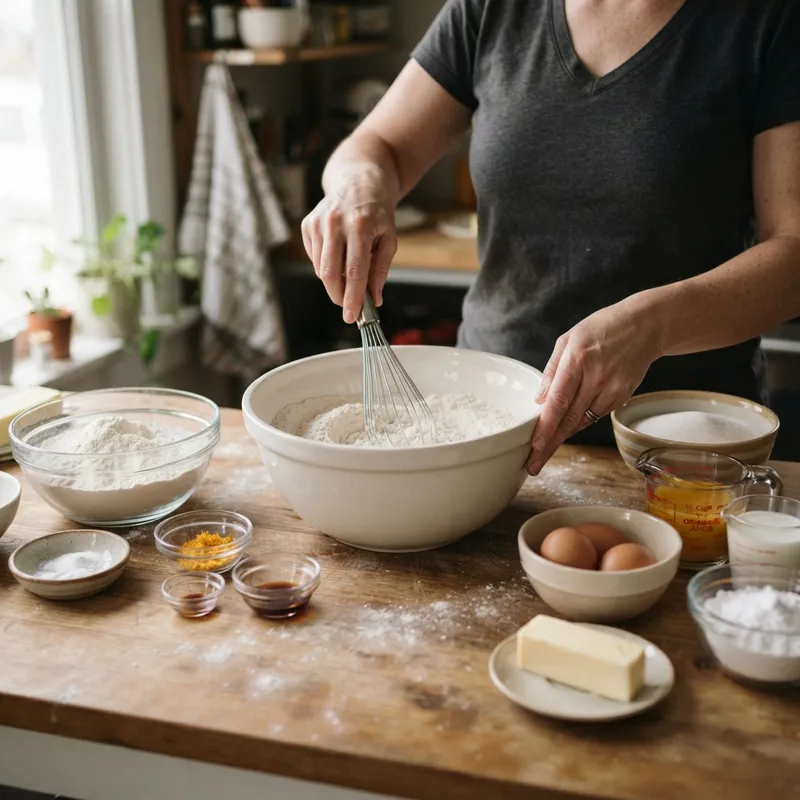
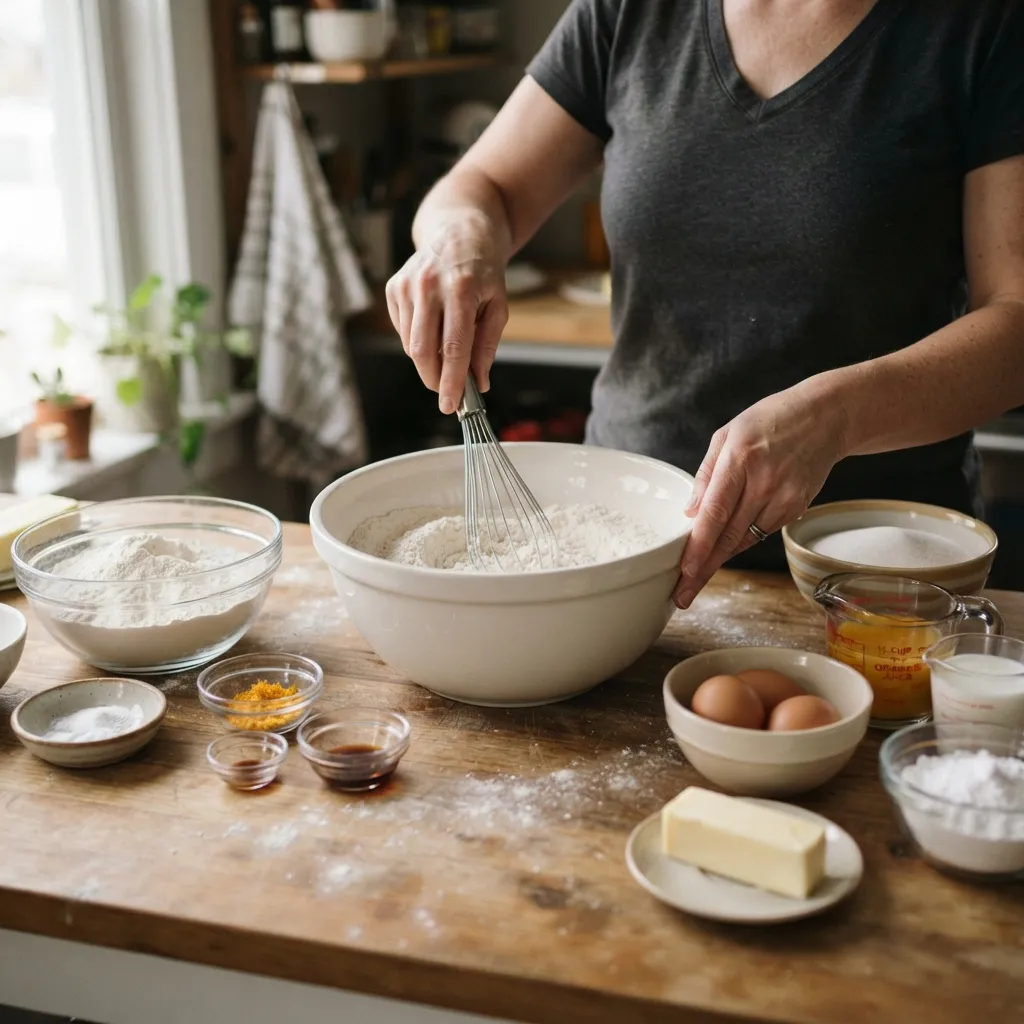
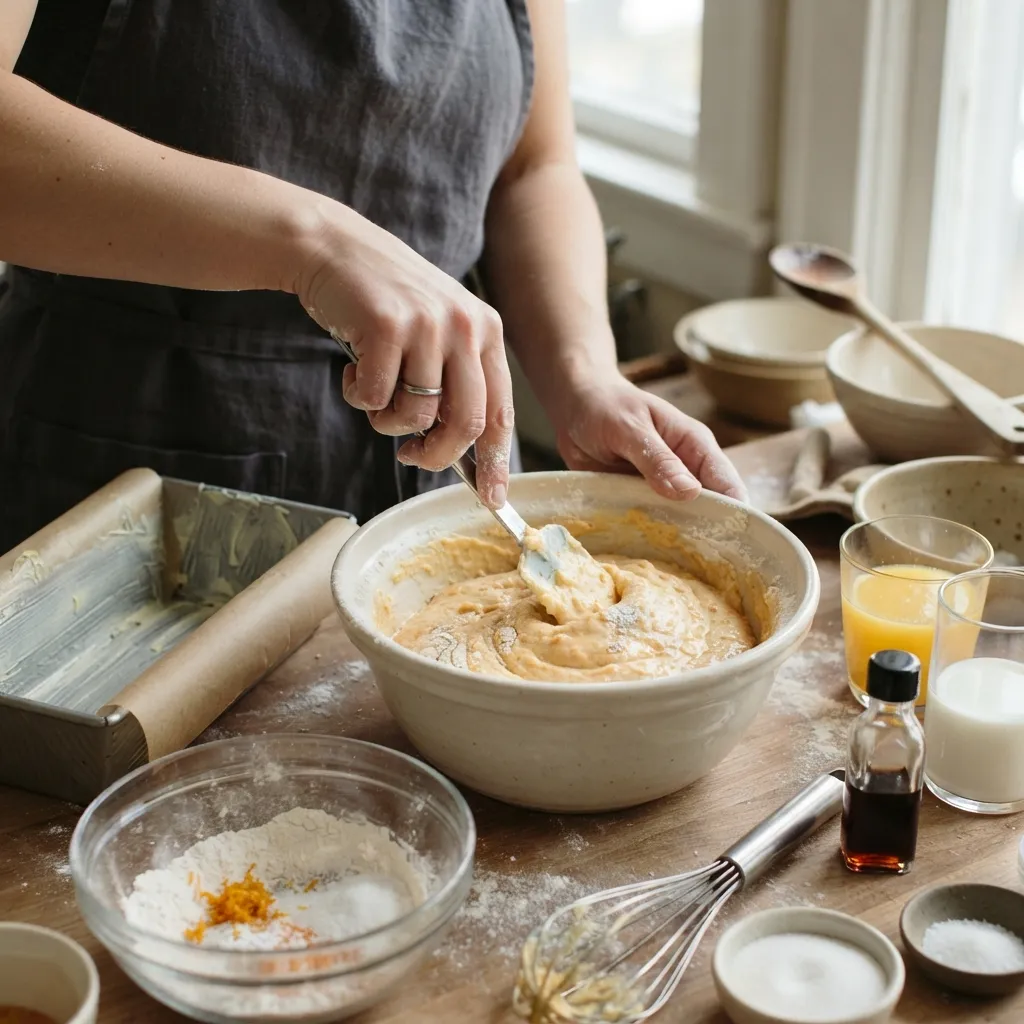
In a bowl, whisk together flour, baking powder, baking soda, and salt. Set aside.
- 3
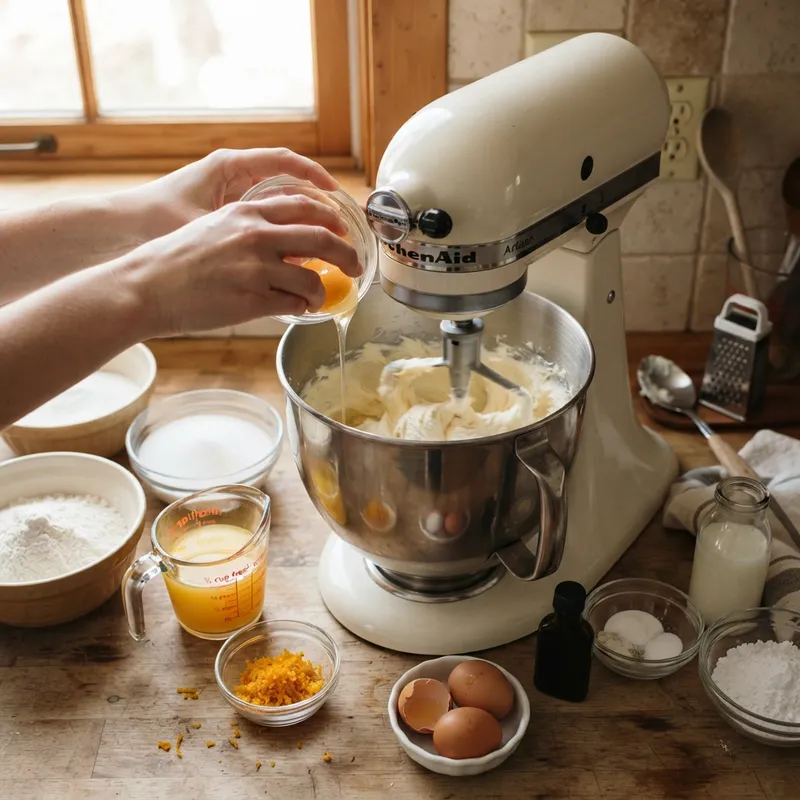
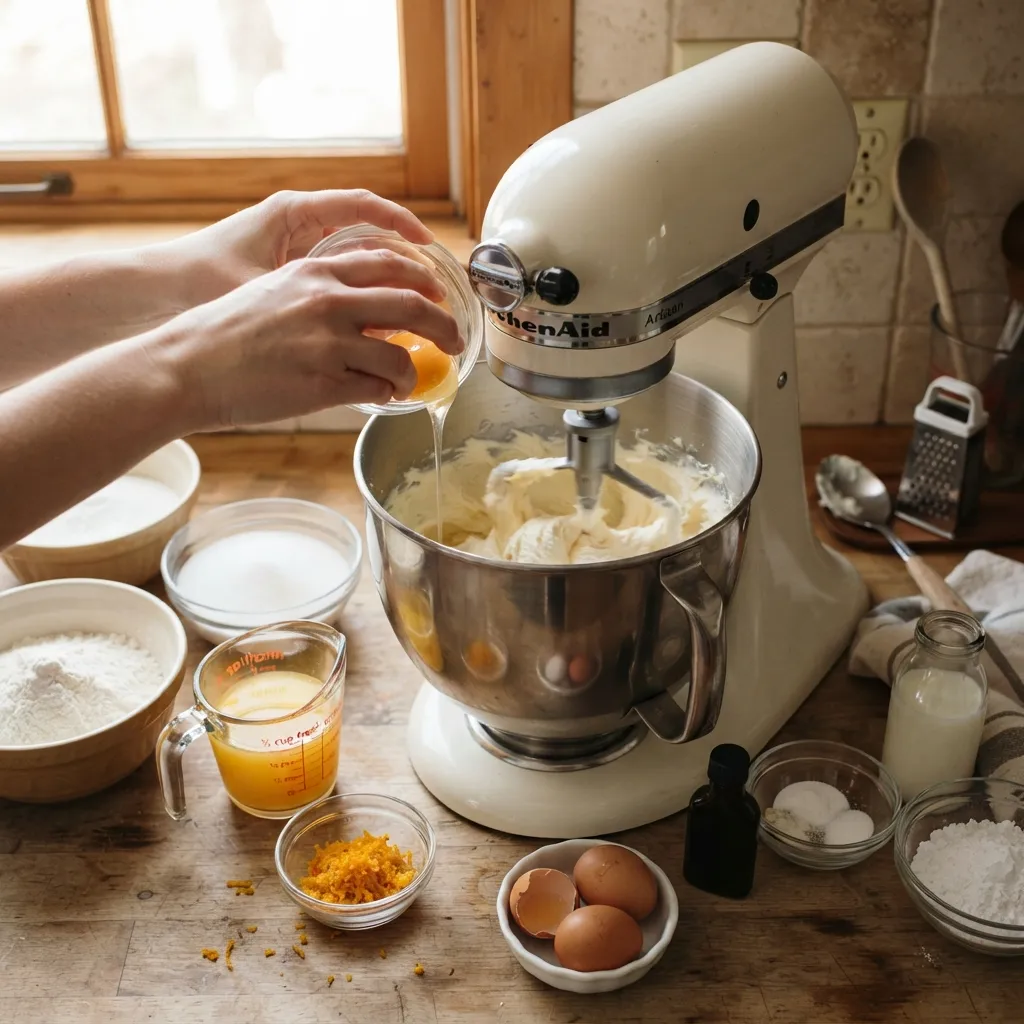
Using a stand mixer, cream butter and sugar until light and fluffy, about 3‑4 minutes. Add eggs one at a time, mixing well after each.
- 4
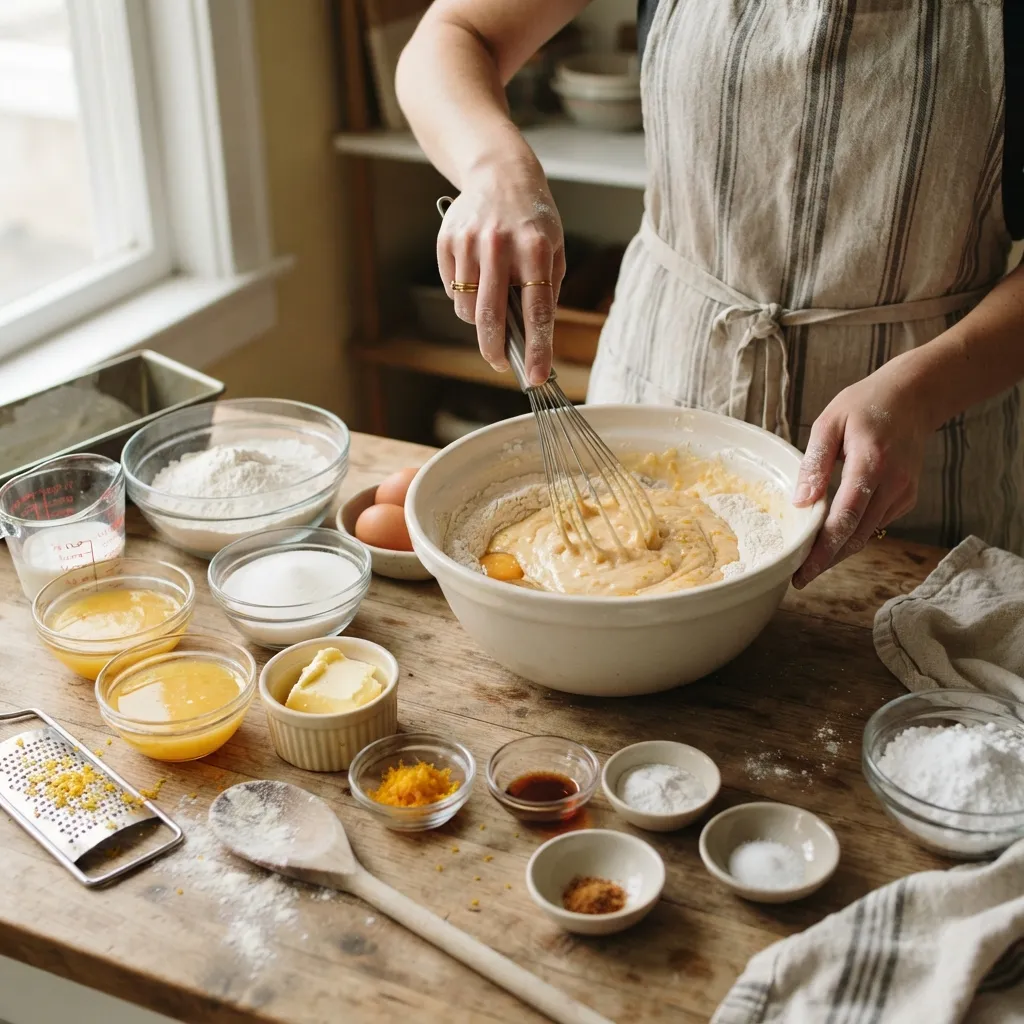
Stir in orange zest, orange juice, vanilla, and milk until just combined.

- 5
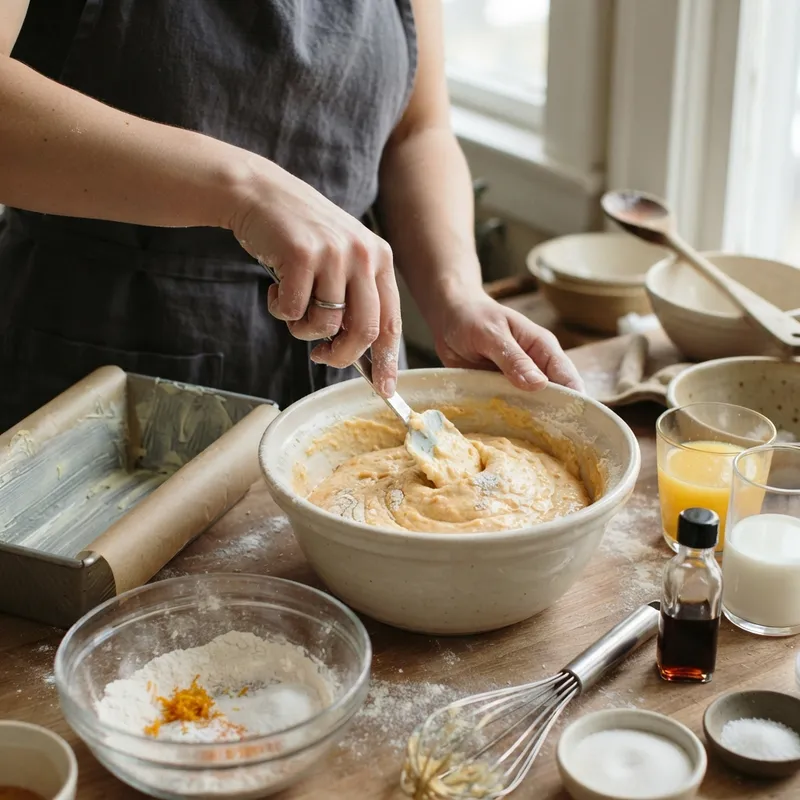
Fold the dry ingredients into the wet mixture gently, just until no flour streaks remain. Pour batter into the prepared pan, smoothing the top.
- 6
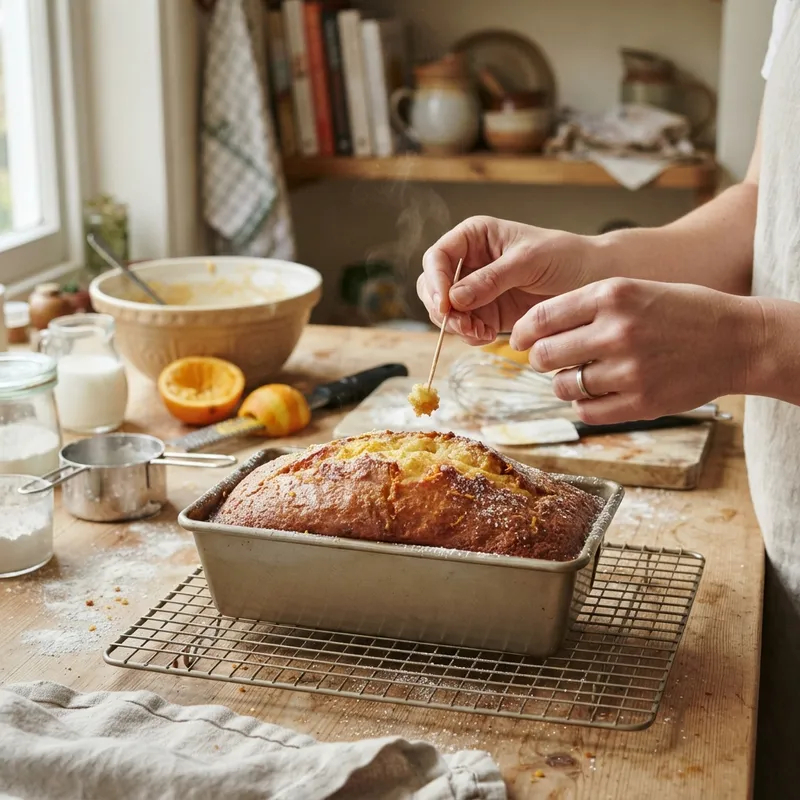
Bake for 45‑50 minutes, or until a toothpick inserted in the center comes out clean. Let the loaf cool in the pan for 10 minutes, then turn out onto a wire rack.
- 7
While the loaf cools, whisk together powdered sugar, orange juice, and zest for the glaze. Drizzle over the warm loaf.

Nutrition per serving
- 280 kcal
- Calories
- 4 g
- Protein
- 44 g
- Carbs
- 9 g
- Fat
Tips & notes
- If the top begins to brown early, loosely cover with foil. - For extra citrus punch, add a tablespoon of orange marmalade to the glaze. - A pinch of ground cardamom pairs beautifully – reminiscent of orange cardamom muffins.
Frequently asked questions
Can I use frozen orange zest?
It works, but fresh zest provides a brighter flavor and more aromatic oil.
How long does the loaf stay fresh?
Wrapped tightly, it stays soft for up to four days at room temperature.
Can I add nuts or fruit?
Sure, fold in chopped almonds or dried cranberries after the flour stage.
What if I don’t have a loaf pan?
A 9‑inch round cake pan works; adjust baking time by about 5 minutes.
Is this recipe gluten‑free?
Swap all‑purpose flour for a 1‑to‑1 gluten‑free flour blend.
Can I make this ahead of time?
Yes, bake the loaf a day early and re‑warm slices before serving.

Emma Harper
🥖✨ Lover of timeless recipes, cozy kitchens, and golden loaves. Always baking memories with love ❤️🍽️.