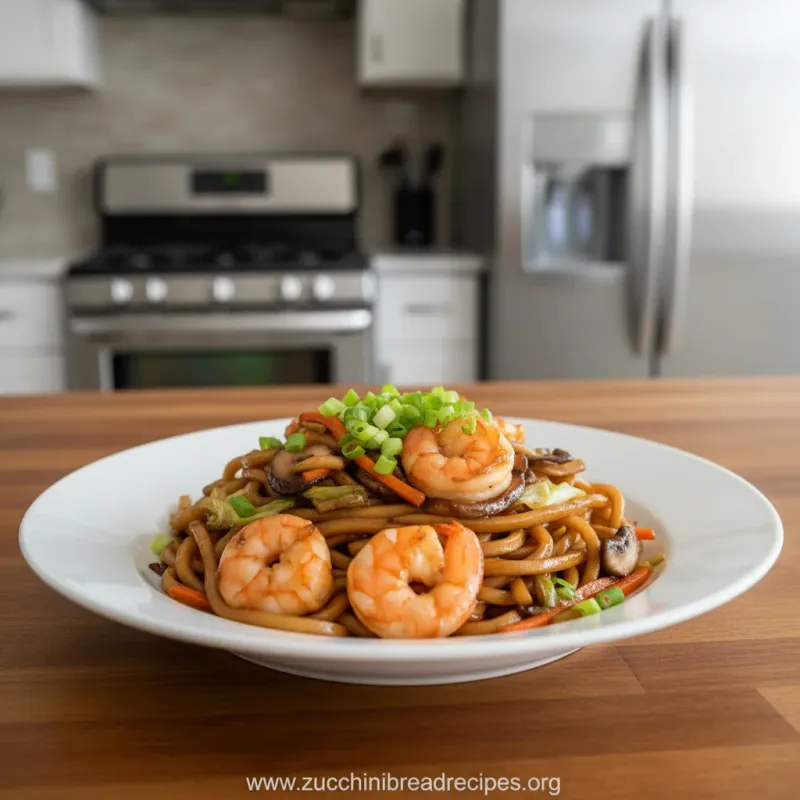
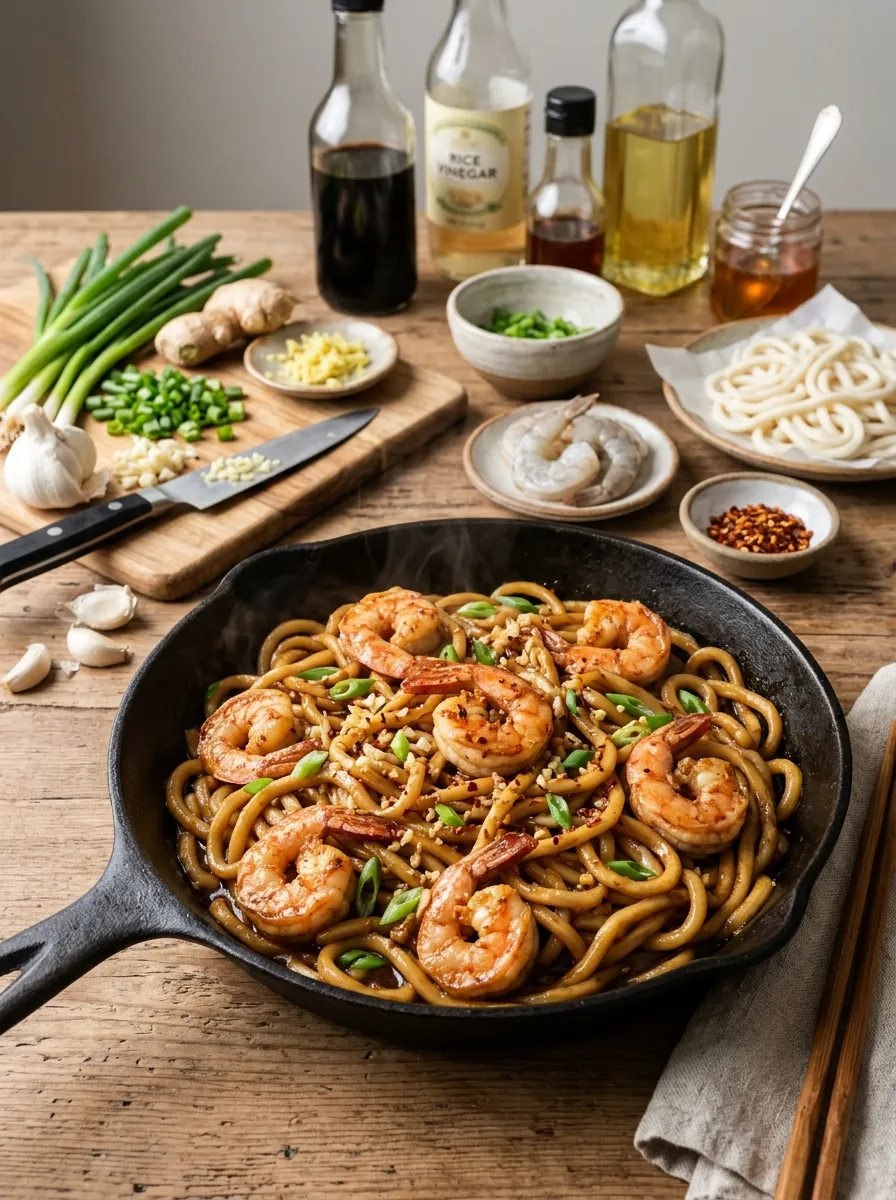
Honestly, this dish reminds me of the evenings when my children would crowd around the stovetop, curious about the sizzling sound. I start by warming a splash of oil, then the shrimp turn pink, releasing a gentle scent of the sea mingled with ginger. The udon noodles soak up the glaze, each bite a soft, slightly chewy hug. If you love creamy shrimp linguine, you’ll feel right at home here, but with a lighter, Asian twist.
The essence of the dish
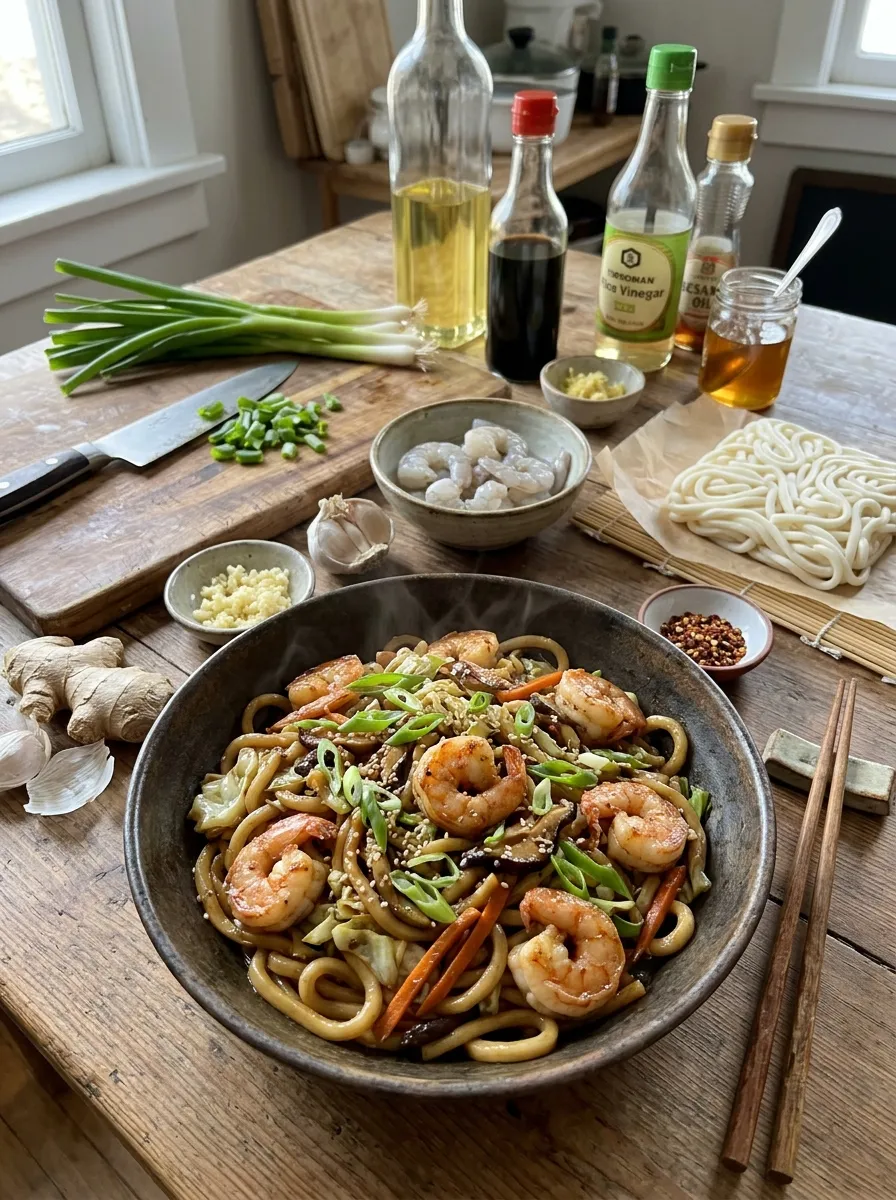
What makes this yaki udon special is the balance between the sweet, briny shrimp and the deep, nutty flavor of the soy‑ginger glaze, all wrapped around noodles that are tender yet resilient.
A fun fact or historical angle
During Japan’s rapid modernization in the 1950s, street cooks began adding seafood to udon, creating a quick, protein‑rich meal for factory workers.
Flavor or sensory focus
You’ll notice the fresh bite of ginger, the subtle kiss of honey, and the gentle snap of green onions, all layered over the comforting chew of udon.
You Must Know
- Don’t over‑crowd the pan; it cools the wok.
- Use high heat for a quick sear.
- Add the glaze at the right moment to avoid burning.
These little details keep the dish bright and lively. I always keep the garlic minced fine—its fragrance lifts the entire bowl. And a quick glance at the timer helps me stay present, letting the kitchen aromas settle into memory rather than rush.
The story behind it
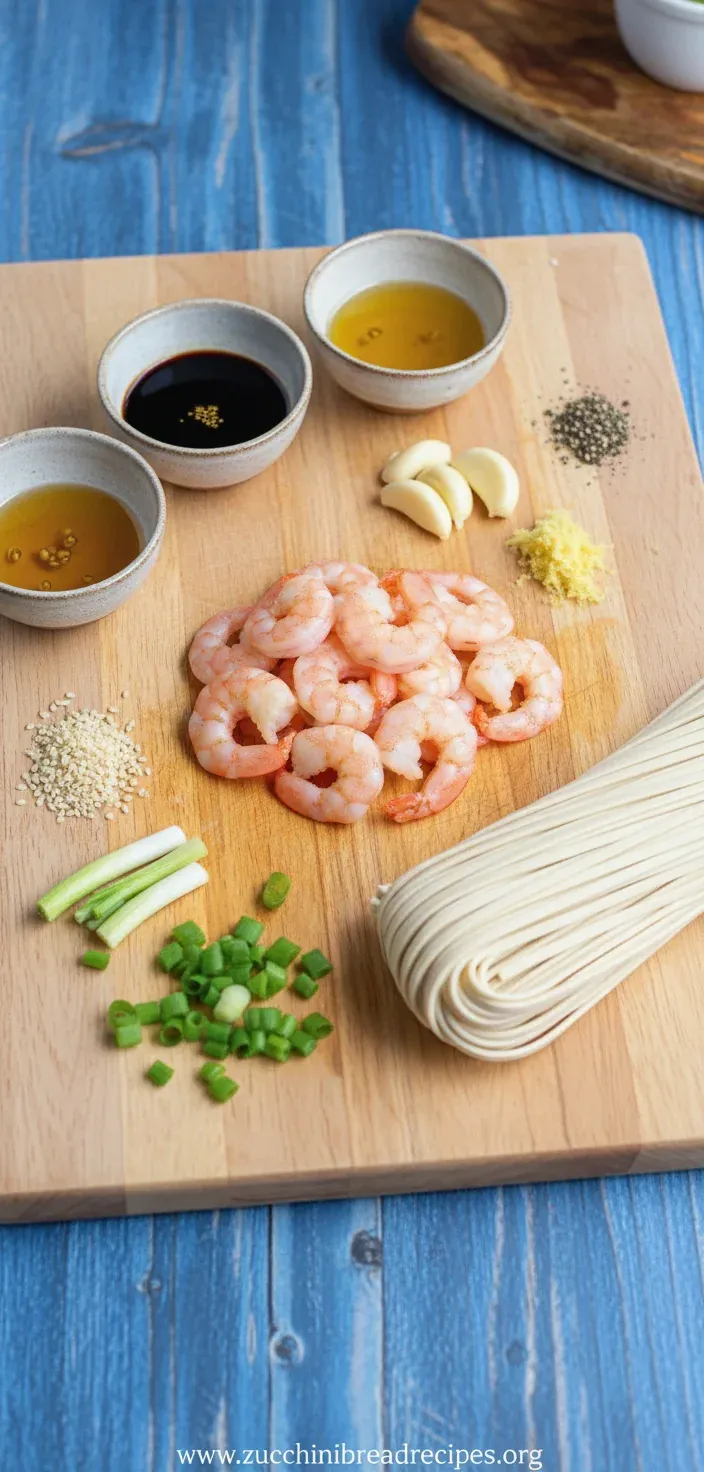
Yaki udon traces its roots to post‑war Japan, when street vendors needed a fast, filling meal for workers returning from long shifts. By tossing boiled wheat noodles with whatever protein was at hand, they created a dish that was both hearty and adaptable. Over decades, shrimp became a popular addition, bringing a touch of oceanic sweetness to the smoky wok aromas.
Why You'll Love It
- Ready in under 30 minutes, perfect for busy nights
- Simple ingredients you likely have in the pantry
- Warm, comforting flavors without heavy sauces
- Gentle ginger adds a soothing warmth
Tips for success
- Don't overcrowd the pan, Cook in batches if needed to keep heat high.
- Let shrimp rest briefly after cooking, Allows juices to settle.
- Taste as you go, Adjust seasoning to your preference.
Professional secrets
- Room temperature shrimp, Ensures even cooking
- High heat for searing, Creates a quick caramelized glaze
- Deglaze the pan with sauce, Captures all the flavor
Common mistakes to avoid
- Overcrowding the pan, which steams shrimp instead of searing.
- Adding udon too early, leading to mushy noodles.
- Using too much sauce, making the dish soggy.
Substitutions
- Shrimp: Firm tofu or chicken breast. Adjust cooking time for tofu – press and cube before searing.
- Soy sauce: Coconut aminos. Milder flavor; you may want a touch more honey.
Variations
- Spicy Version: Add extra red pepper flakes and a drizzle of chili oil for a gentle heat.
- Mediterranean Style: Swap soy sauce for a lemon‑herb vinaigrette, and toss in olives and sun‑dried tomatoes.
Storage
Store leftovers in an airtight container in the fridge for up to 2 days; reheat gently in a skillet with a splash of water.
Make ahead
You can prepare the glaze and slice the green onions up to a day ahead; keep them refrigerated in separate containers.
Leftovers
Reheat gently in a skillet with a splash of water or broth; add a quick drizzle of sesame oil to revive shine.
Serving ideas
- Serve hot straight from the wok.
- Pair with a side of steamed rice or quinoa.
- Garnish with extra green onions and sesame seeds.
- Enjoy with a chilled glass of sake or light white wine.
Allergy information
Contains shellfish, soy, and sesame.
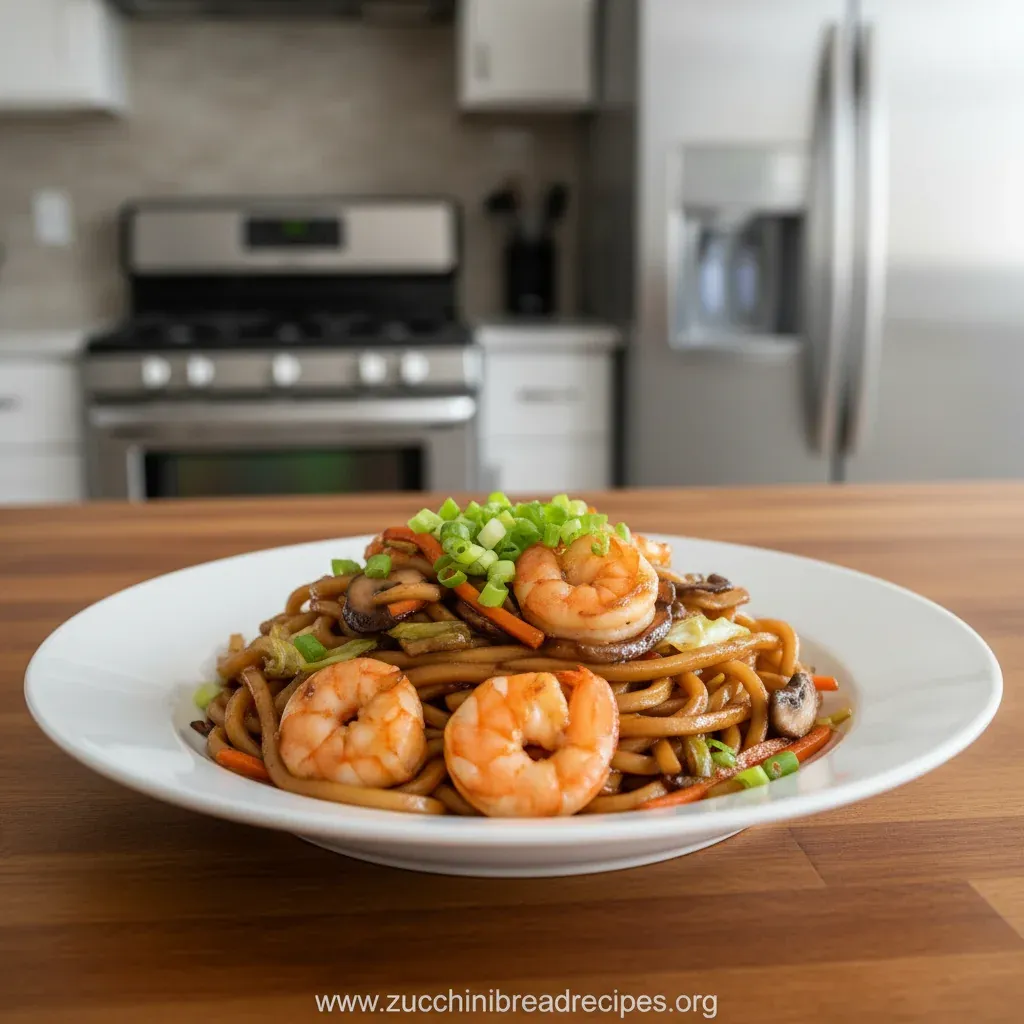
Yaki Udon with Shrimp – Quick Japanese Stir-Fry
Succulent shrimp tossed with chewy udon noodles in a savory soy‑ginger glaze, ready in minutes.
- Prep time
- 10 min
- Cook time
- 15 min
- Total time
- 25 min
- Difficulty
- Easy
- Cuisine
- Japanese
- Course
- Main Course
Ingredients
Main Ingredients
Sauce
Instructions
- 1
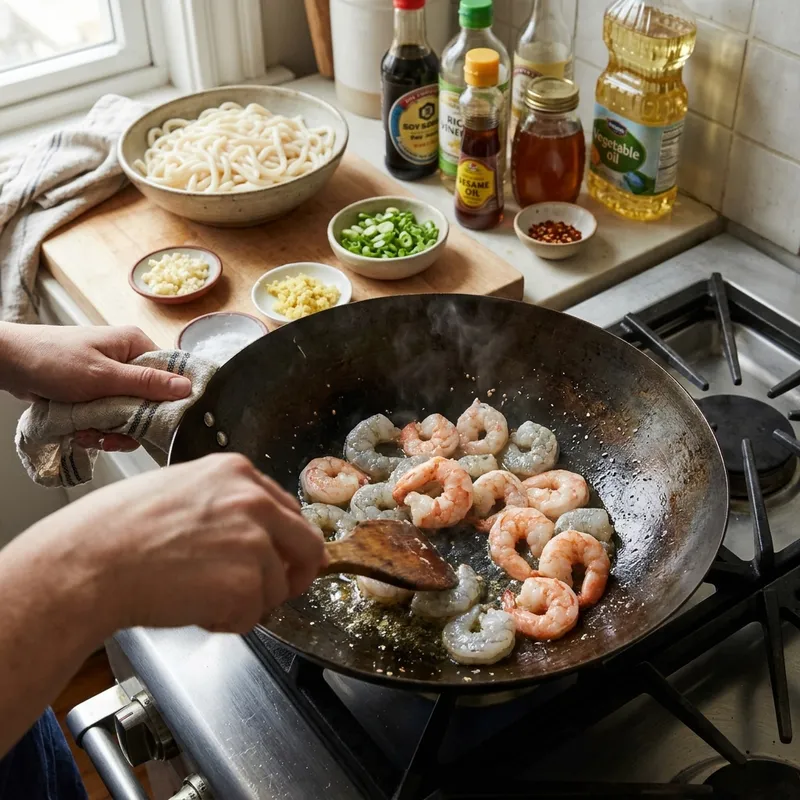
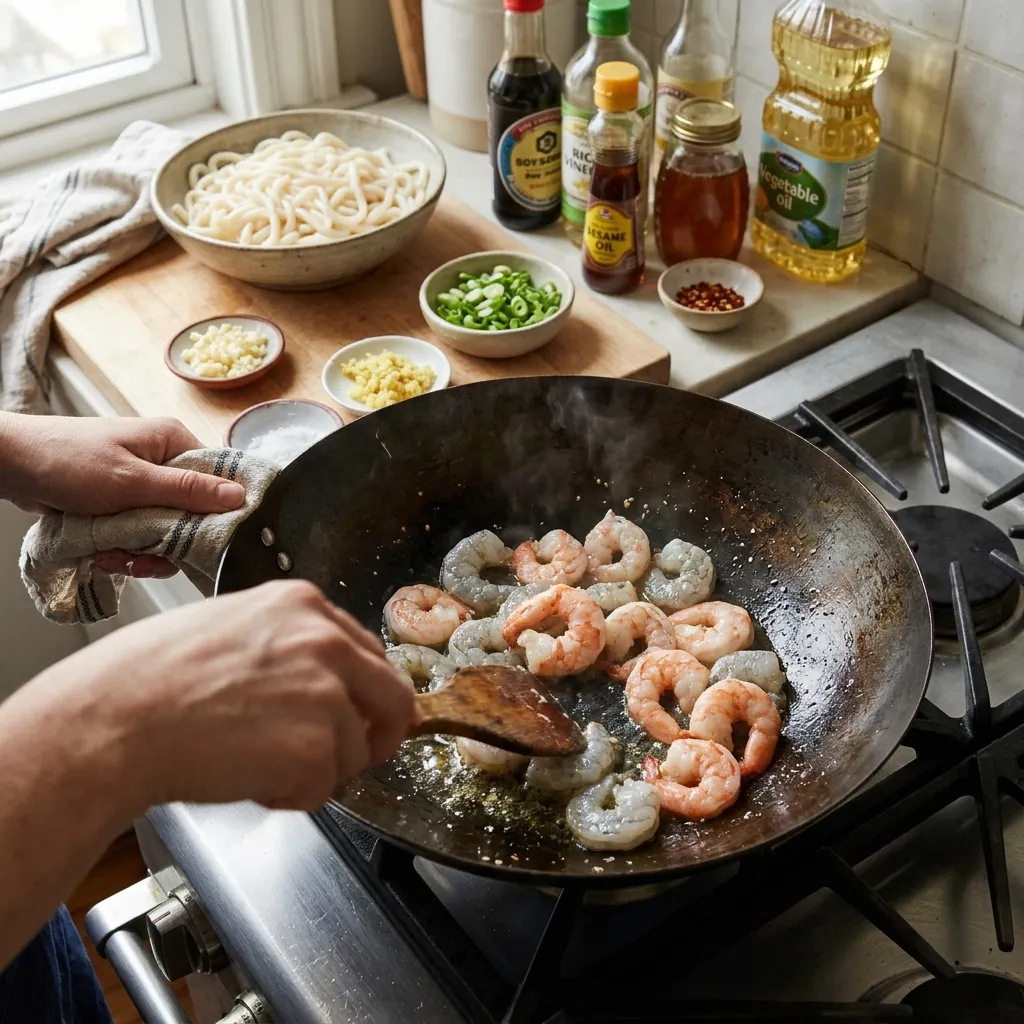
Heat the vegetable oil in a large skillet or wok over medium‑high heat; when it shimmers, add the shrimp and stir‑fry until just pink, about 2 minutes per side.
- 2
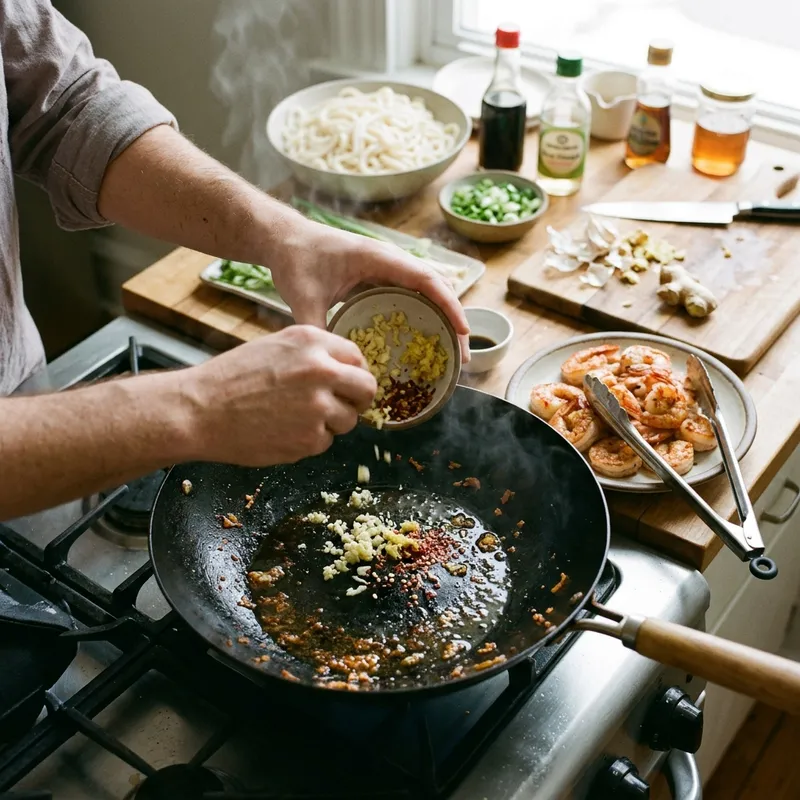
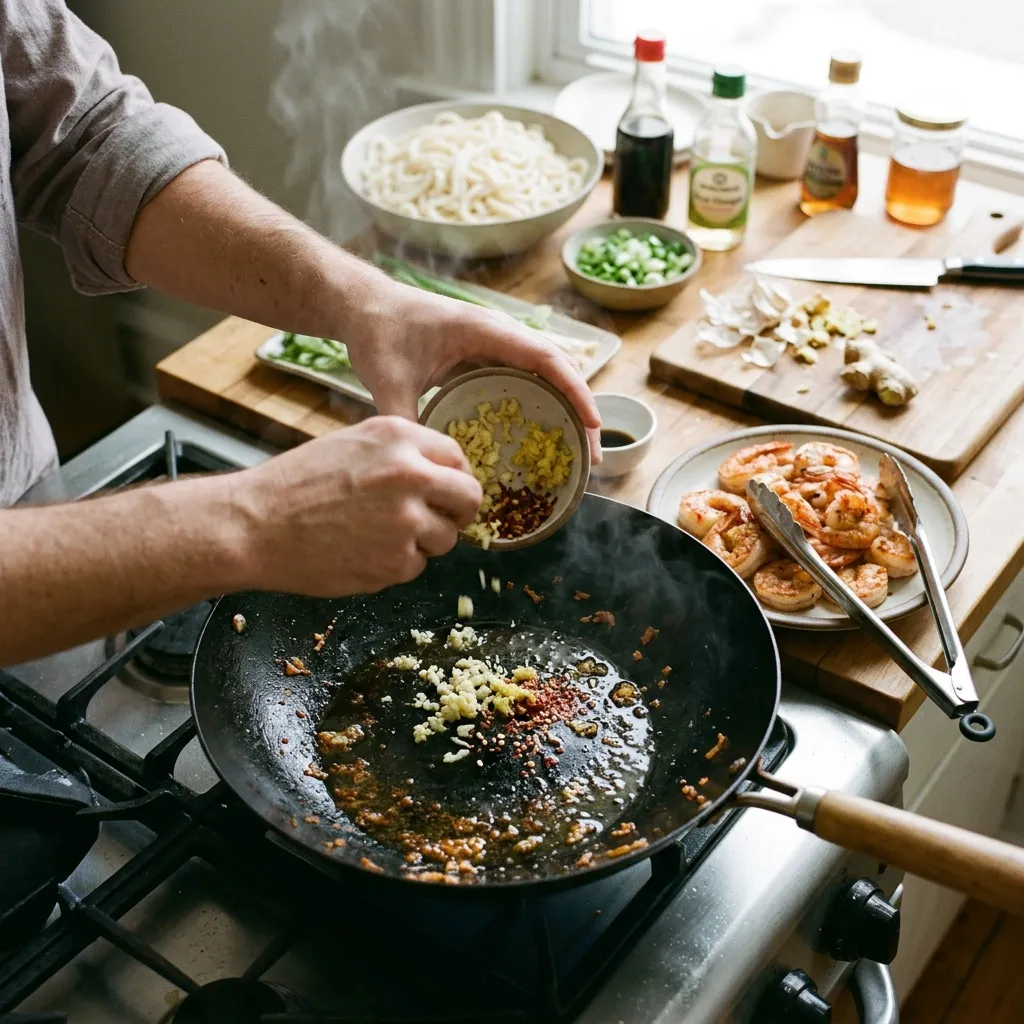
Remove the shrimp and set aside; in the same pan, add garlic, ginger, and red pepper flakes, cooking for 30 seconds until fragrant.
- 3
Stir in the sauce ingredients, letting the mixture bubble gently; return the shrimp, then add the udon noodles, tossing everything together until the glaze coats the noodles.
- 4
Finish with sliced green onions and a drizzle of sesame oil; serve hot, garnished with extra sesame seeds if desired.
Nutrition per serving
- 420 kcal
- Calories
- 28 g
- Protein
- 45 g
- Carbs
- 14 g
- Fat
Tips & notes
- If the sauce looks too thick, add a splash of water or extra broth to loosen it. - Taste before serving; you may need a pinch more soy sauce or a dash of honey. - For a gluten‑free version, swap soy sauce for tamari.
Frequently asked questions
Can I use other noodles?
Yes, spaghetti or rice noodles work, but they will change the texture slightly.
What if I don’t have fresh ginger?
A teaspoon of ground ginger can substitute, though fresh provides a brighter flavor.
Is this dish spicy?
Not unless you add chili oil or flakes; the base is gentle and soothing.
How do I avoid overcooking the shrimp?
Cook shrimp just until they turn pink, about 1–2 minutes per side; they finish cooking in the glaze.
Can I make this ahead of time?
Prepare the glaze and chop veggies ahead; reheat shrimp and noodles briefly before serving.
What side pairs well?
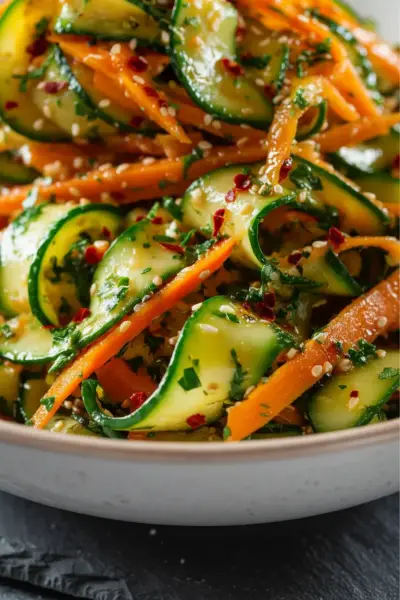
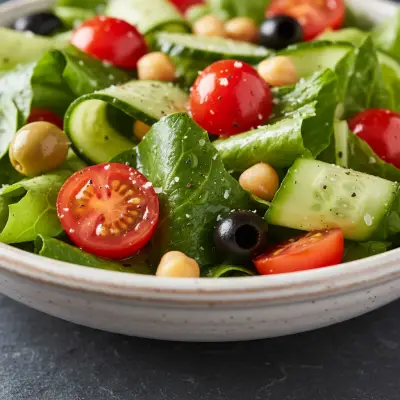
A simple cucumber salad with rice vinegar dressing balances the richness beautifully.

Ava Brooks
⏱️🥄 Busy baker, one-bowl expert, and mini-loaf maker. Fast recipes with maximum yum 😋🔥.