
Orange cakes have a long-standing place in European pastry traditions, especially in Mediterranean regions where sun‑kissed fruit is abundant. Historically, they were baked for festive occasions, symbolizing prosperity and bright beginnings. The subtle balance of citrus and sugar made them a favorite among royalty and common folk alike, offering a light, uplifting treat long before modern frosting techniques emerged.
Why You'll Love It
-
- Light, fluffy crumb that melts in the mouth
-
- Bright citrus flavor without being overpowering
-
- Simple ingredients you likely already have
-
- Versatile for brunch, dessert, or a snack
"The cake was so airy, the orange flavor just sang—my guests asked for seconds!"
Essential Ingredient Guide
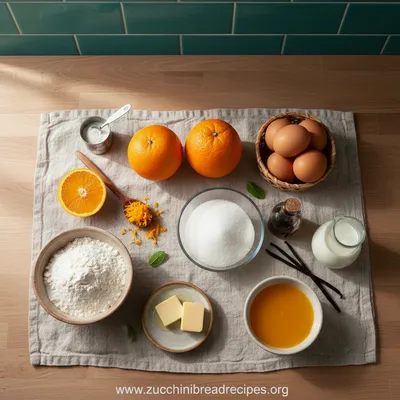
- Fresh oranges: Use zest and juice for maximum aroma; choose firm, aromatic fruits.
- All‑purpose flour: Sifts well for a tender crumb; avoid over‑mixing.
- Granulated sugar: Balances the citrus acidity and adds sweetness.
- Unsalted butter: Creates richness; room‑temperature butter mixes smoothly.
- Lemon juice: A tiny splash brightens the orange notes.
- Honey: Adds subtle floral sweetness and helps retain moisture.
 Quick
Quick
Buttery Soft Pretzel Bites Recipe
Fluffy, buttery pretzel bites that are quick to make and delightful to share.
Complete Cooking Process
-
Ingredient Readiness:
Zest and juice the oranges, sift the flour, and bring butter to room temperature before you start.
-
Flavor Development:
Cream butter and sugar until pale, then fold in orange zest and juice for a fragrant base.
-
Texture Control:
Gently fold the dry ingredients; stop the moment the batter is smooth to keep the crumb light.
-
Finishing Touches:
Bake until the top is golden, then cool on a rack; a light dusting of powdered sugar adds a final sparkle.
-
Serving Timing:
Serve slightly warm or at room temperature; the flavors open up beautifully after a short rest.
-
Grate the orange zest finely – it integrates better.
-
Use a light hand when mixing; over‑mixing makes the cake dense.
-
Check the cake with a toothpick – it should come out clean with a few moist crumbs.
-
Let the cake rest 10 minutes before slicing to finish the steam inside.
Pro Tips
Well, after you’ve let the cake rest, you might notice how the orange scent lingers in the air, inviting anyone nearby to take a peek. It’s those small moments, like the soft crackle of the crust as you cut a slice, that turn a simple dessert into a comforting memory. So, take your time, enjoy the process, and share the warmth with those you love.
 Classic
Orange Chicken – Crispy Tangy Sauce
Crispy orange chicken with a glossy, sweet‑tangy sauce—quick, satisfying, and classic.
The essence of the dish:
What makes this orange cake special is the harmony between bright citrus and buttery tenderness, creating a light, airy texture that feels like a gentle hug.
A fun fact or historical angle:
In the 1800s, orange‑flavored cakes were a status symbol at European banquets, often served with a glass of sparkling wine.
Flavor or sensory focus:
You’ll first notice the fragrant zest, followed by a mellow sweetness that lingers pleasantly on the palate.
You Must Know
-
Make sure oranges are fresh – the zest is the star.
-
Do not over‑beat the batter after adding flour.
-
A quick cool on a rack prevents soggy bottoms.
Frequently Asked Questions
→ Can I use bottled orange juice?
Fresh juice is best for flavor, but if you must, use a high‑quality, no‑added‑sugar variety and add a little zest.
→ How do I store leftover cake?
Wrap tightly in plastic wrap and keep at room temperature for up to three days, or freeze for longer storage.
→ Can I make this gluten‑free?
Yes, substitute the all‑purpose flour with a 1‑to‑1 gluten‑free blend and follow the same method.
→ What frosting works best?
A light orange glaze or a simple dusting of powdered sugar enhances the citrus without overwhelming it.
→ Is this cake suitable for vegans?
Swap butter for a plant‑based alternative and use flax‑egg replacer; adjust baking time slightly.
→ Can I add nuts or fruit?
Sure, fold in toasted almond slivers or dried cranberries for extra texture and flavor.
Nutrition Facts
per serving
320
Calories
5g
Protein
45g
Carbs
12g
Fat
Taste Profile
Brightly citrusy with gentle sweetness
Ingredient Substitutions
Don't have an ingredient? Try these alternatives
Keeps the cake dairy‑free; may slightly alter texture.
Reduces fat, results in a slightly denser crumb.
Recipe Variations
Try these delicious twists on the original
Spicy Version
Add 1/2 tsp ground ginger and a pinch of cayenne for a subtle heat.
Mediterranean Style
Stir in chopped pistachios and a drizzle of honey before baking.
Common Mistakes to Avoid
Learn from others' mistakes for perfect results
- Over‑mixing the batter, which makes the cake dense.
- Opening the oven too early, causing the cake to sink.
- Using bottled orange juice without zest, losing depth of flavor.
Meal Prep & Storage
Make Ahead Tips
You can whisk the dry ingredients and zest the oranges up to a day ahead; keep them sealed in the fridge.
Leftover Ideas
Reheat gently in a microwave for 15‑20 seconds or warm slices in a skillet with a pat of butter.
Perfect Pairings
Serve this with...
Cooking Timeline
Preheat oven, prepare pan, zest and juice oranges.
Cream butter and sugar; add eggs one at a time.
Incorporate orange juice, zest, honey, and lemon.
Fold in dry ingredients and milk; pour batter into pan.
Bake, then cool in pan before transferring to rack.
 Classic
Best Banana Bread Recipe
Soft, sweet banana bread made with ripe bananas, a touch of butter, and simple pantry staples.
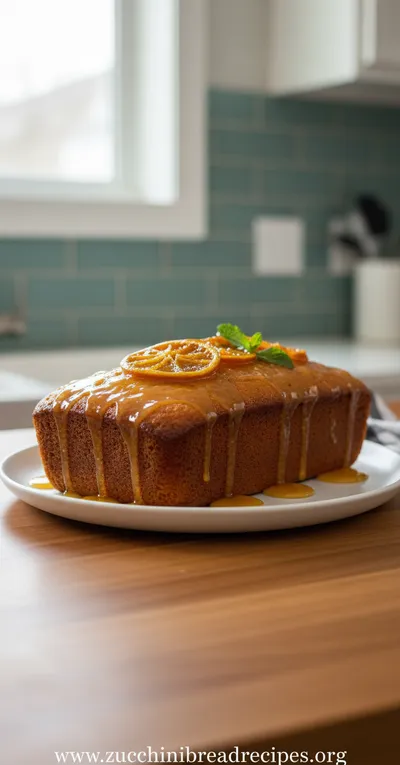
Best Orange Cake Ever
A moist, fluffy orange cake that captures the bright, sunny flavor of fresh citrus. Perfect for family gatherings, tea time, or a quiet moment with a cup of coffee, this cake is both comforting and celebratory.
Timing
Prep Time
20 Minutes
Cook Time
35 Minutes
Total Time
55 Minutes
Recipe Details
Ingredients
Cake
-
01
2 cups all-purpose flour
-
02
1 1/2 tsp baking powder
-
03
1/2 tsp baking soda
-
04
1/4 tsp salt
-
05
1 cup granulated sugar
-
06
1/2 cup unsalted butter, softened
-
07
3 large eggs
-
08
1/2 cup fresh orange juice
-
09
Zest of 2 oranges
-
10
2 tbsp honey
-
11
2 tbsp lemon juice
-
12
1/2 cup whole milk
Instructions
Preheat the oven to 350°F (175°C) and grease a 9‑inch round cake pan; line with parchment for easy release.
In a bowl, whisk together flour, baking powder, baking soda, and salt; set aside.
Cream butter and sugar until light and fluffy, about 3‑4 minutes, then beat in the eggs one at a time.
Add orange zest, orange juice, honey, and lemon juice; mix until just combined.
Gradually fold in the dry ingredients alternating with milk, ending with the flour mixture; do not over‑mix.
Pour batter into the prepared pan and smooth the top; bake for 30‑35 minutes, or until a golden crust forms and a toothpick comes out clean.
Allow the cake to cool in the pan for 10 minutes, then turn onto a wire rack to finish cooling.
Notes & Tips
-
1
If you prefer a denser crumb, reduce the milk by 2 tbsp.
-
2
A light dusting of powdered sugar adds a delicate finish.
-
3
For extra orange punch, brush the warm cake with a glaze made of orange juice and sugar.
Tools You'll Need
-
9‑inch round cake pan
-
Mixing bowls
-
Electric mixer
-
Zester
-
Measuring cups and spoons
-
Wire cooling rack
Must-Know Tips
-
Don’t over‑beat after adding flour – it keeps the cake airy.
-
Room temperature eggs blend more evenly with butter.
-
Check the cake a few minutes before the timer ends to avoid over‑baking.
Professional Secrets
-
Sift flour twice for a silkier texture.
-
Cream butter and sugar until the mixture is pale for better rise.
-
Allow the cake to rest before frosting – steam inside completes the crumb.

Recipe by
Emma Harper🥖✨ Lover of timeless recipes, cozy kitchens, and golden loaves. Always baking memories with love ❤️🍽️.
Get Delicious Recipes Weekly
Join 25,000+ home cooks getting our best recipes straight to their inbox.
Free forever • No spam • Unsubscribe anytime