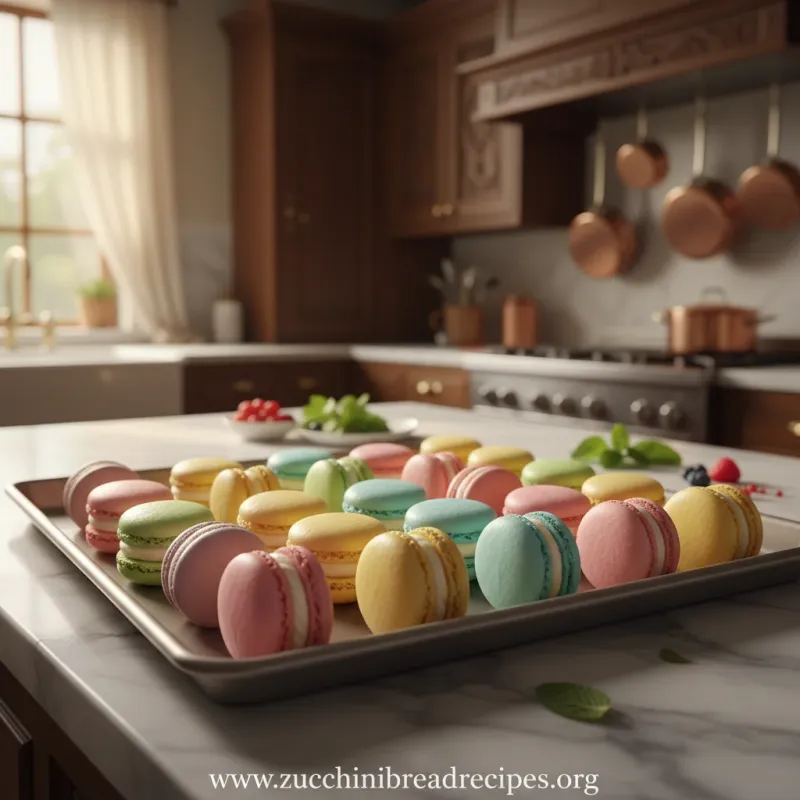
Honestly, making macarons can feel a bit like balancing on a tightrope, but I find the process soothing. I remember the first time I tried a batch; the kitchen smelled of toasted almonds and sweet buttercream, and I felt a quiet pride. If you’ve ever baked chocolate chip cookies that turn out crisp on the edges and chewy inside, you already know the joy of a perfect crumb. Macarons are a little different—airy, crisp, and melt‑in‑your‑mouth—but the patience they ask is the same gentle attention you give any good bake.
The essence of the dish
Delicate almond meringue shells that crack lightly when bitten, revealing a soft, slightly chewy interior wrapped around a luscious filling.
A fun fact or historical angle
Did you know that the word "macaron" originally meant "paste" in Italian, referring to the almond paste used centuries ago?
Flavor or sensory focus
Each bite offers a contrast: the whisper‑thin, crisp outer shell, the tender crumb inside, and the velvety sweetness of the filling.
You Must Know
- Rest the piped shells before baking
- Avoid humidity; it spoils the skin formation
- Cool completely before sandwiching
These little details can make the difference between a smooth, glossy macaron and a cracked, uneven one. I’ve learned them over many evenings, watching the shells dry under a gentle kitchen light, and the results have become more reliable each time. So keep the workspace calm, and let the shells do their quiet work.
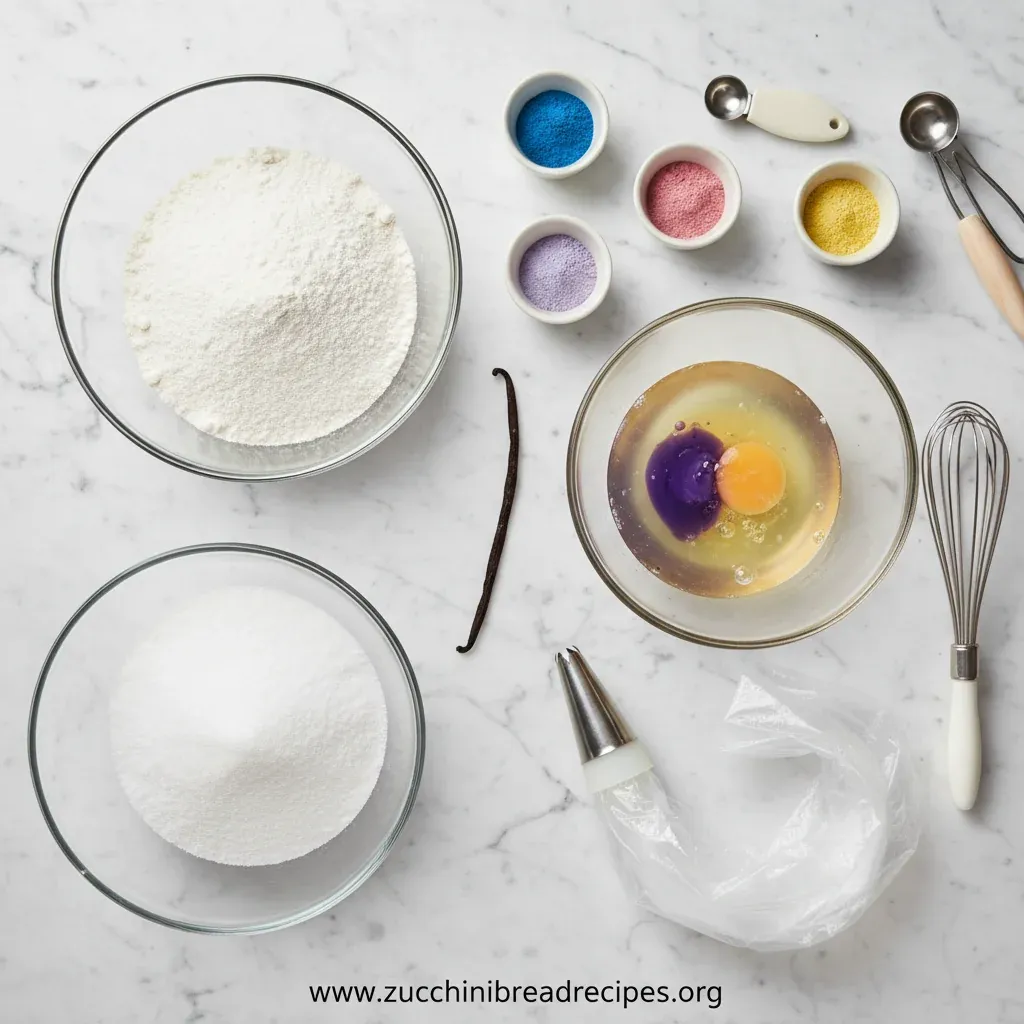
The story behind it
The story of the French macaron dates back to the Renaissance, when a monk in Italy created a simple almond meringue. It traveled across the Alps, eventually settling in the heart of Paris where it became a staple of patisseries. Over centuries, the humble confection evolved from a single‑layer cookie to the elegant two‑shell sandwich we cherish today. Its enduring appeal lies in the balance of texture—crisp outer skin, chewy interior—and the endless possibilities of flavors, from classic vanilla to bold lavender.
Why You'll Love It
- Light, airy shells that melt on the tongue
- Simple pantry ingredients you likely already have
- Customizable fillings for any season
- A satisfying sense of achievement
Tips for success
- Age the egg whites for steady foam
- Rest the piped shells before baking
- Use a low oven temperature for even rise
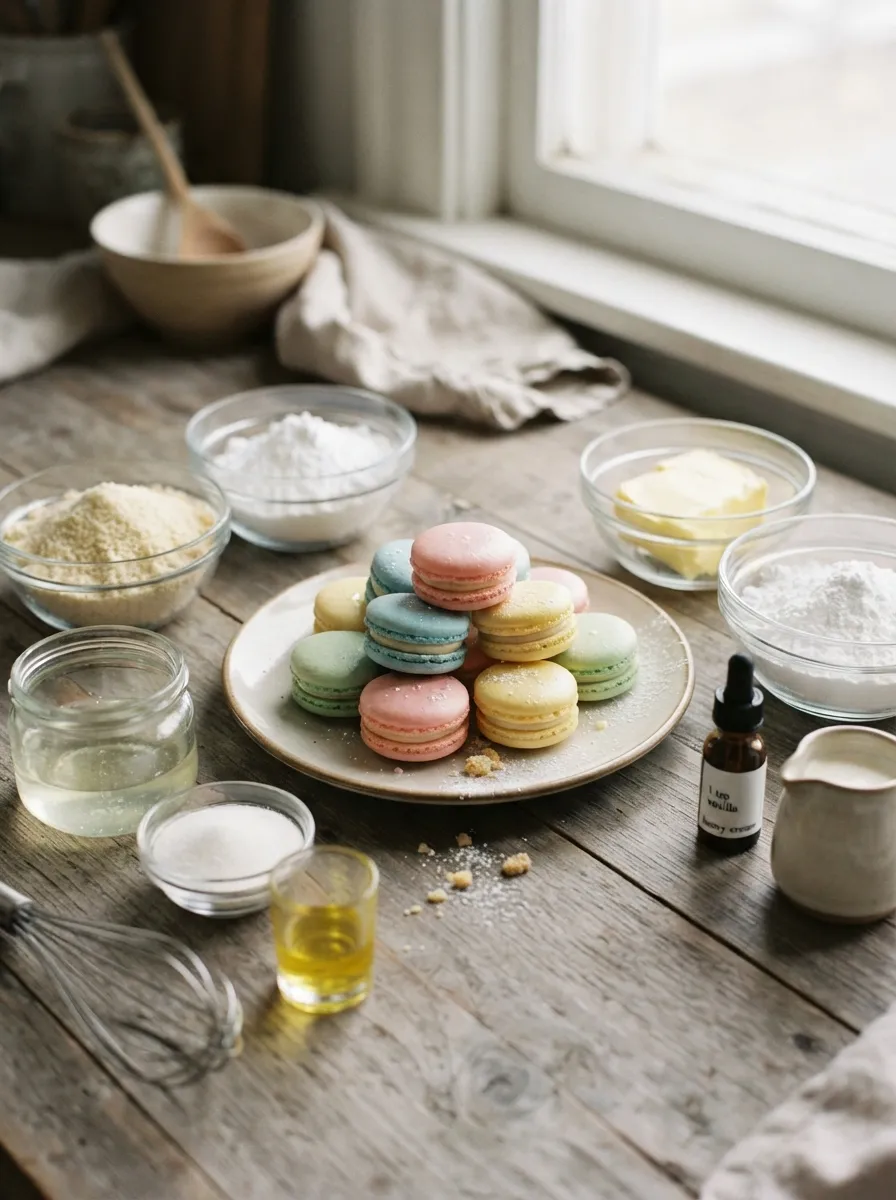
Professional secrets
- Sift almond flour twice for ultra‑smooth shells
- Fold the batter until it reaches ribbon consistency
- Cool the shells completely before adding filling
Common mistakes to avoid
- Over‑mixing the batter, which results in flat shells
- Baking at too high a temperature, causing cracks
- Skipping the resting step, leading to soggy bottoms
Substitutions
- Almond flour: Hazelnut flour. Will change flavor and color slightly; sift well.
- Butter: Margarine. Use a high‑quality variety for best texture.
Variations
- Spicy Version: Add a pinch of cayenne and a drizzle of chocolate ganache for a subtle kick.
- Mediterranean Style: Incorporate crushed pistachios into the shell and fill with a honey‑orange buttercream.
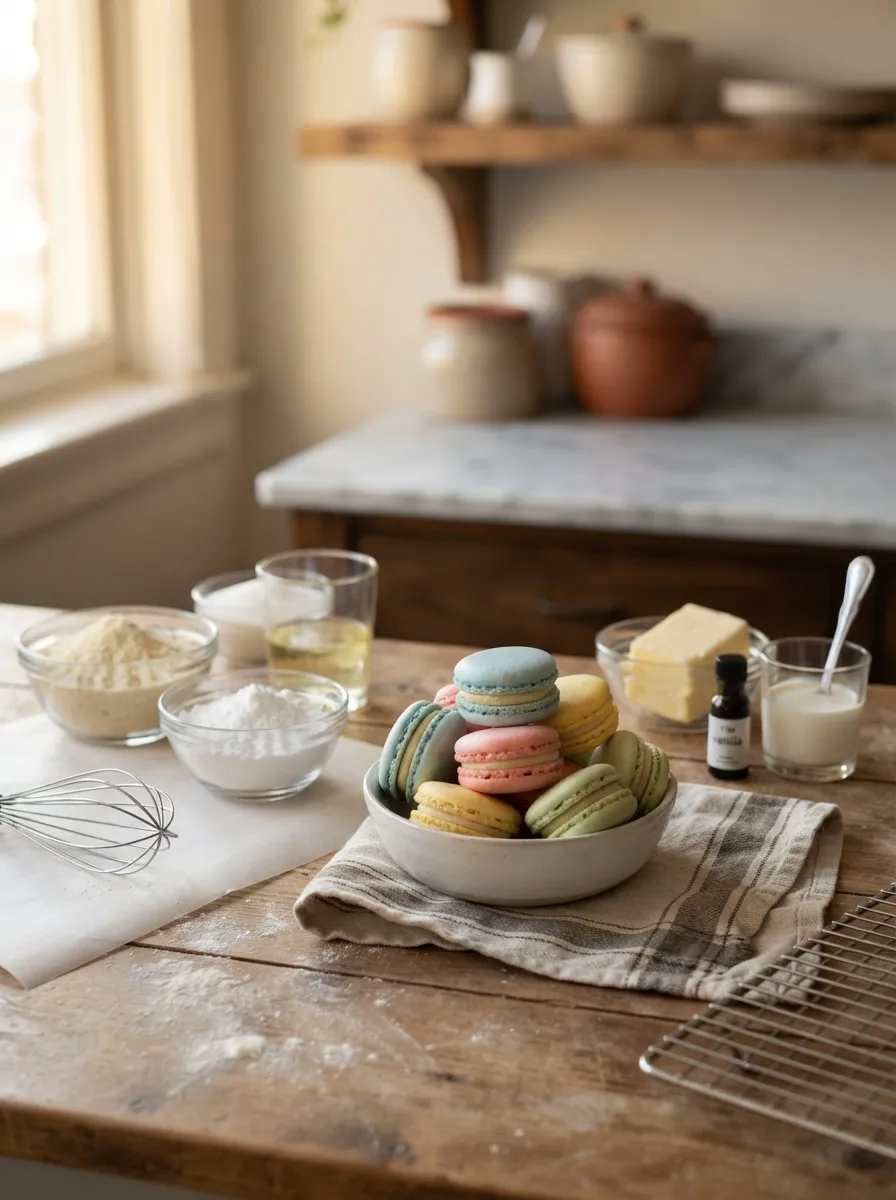
Storage
Store in an airtight container in the refrigerator; let them come to room temperature before serving.
Make ahead
You can pipe and dry the shells a day ahead; store them in an airtight container and bake when ready. Fillings can be made up to three days in advance.
Leftovers
Store any extra shells and filling separately; re‑assemble just before serving to keep texture fresh.
Serving ideas
- Arrange macarons on a tiered stand for a pretty presentation
- Serve alongside a small glass of sparkling water with lemon
- Garnish the platter with fresh mint leaves for color
Allergy information
Contains nuts, dairy, and egg.
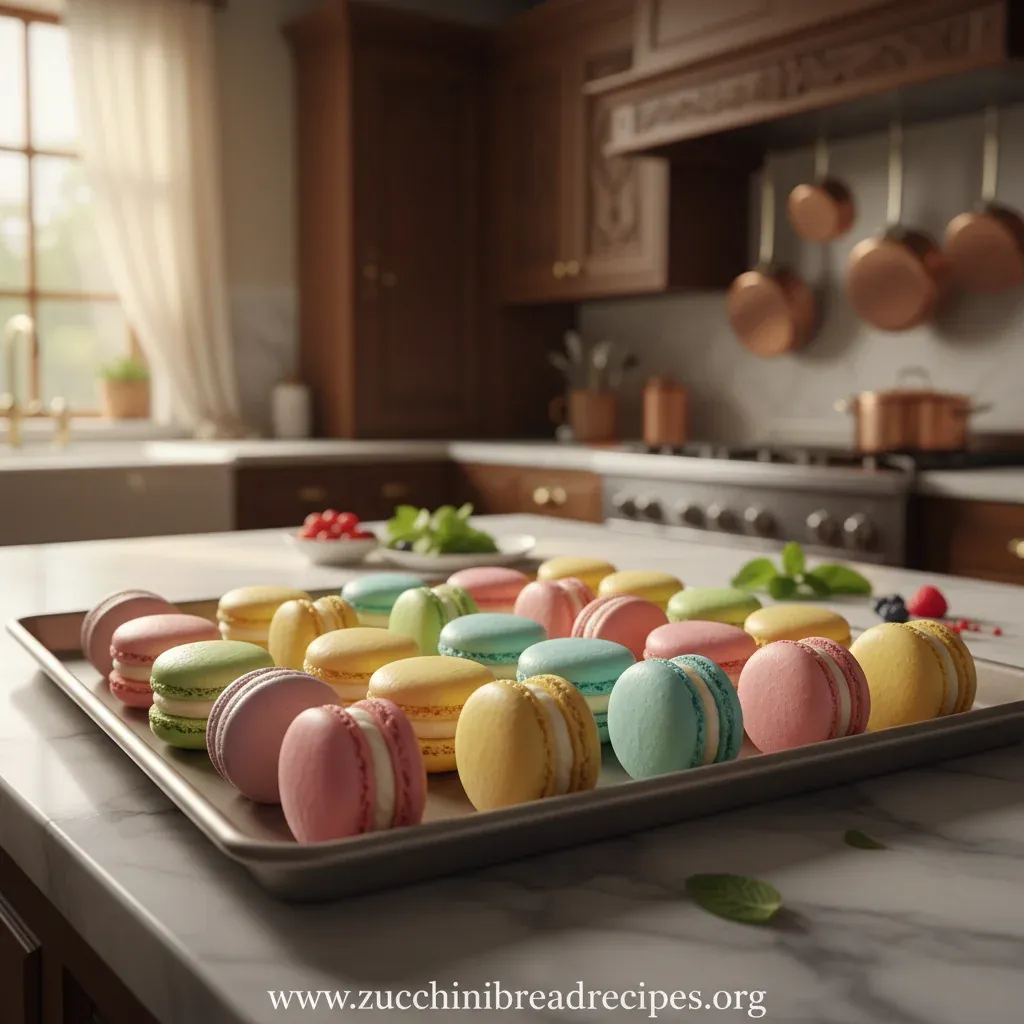
French Macarons – Beginner Friendly Recipe
A beginner‑friendly guide to classic French macarons with tender shells and silky fillings.
- Prep time
- 30 min
- Cook time
- 15 min
- Total time
- 45 min
- Difficulty
- Hard
- Cuisine
- French
- Course
- Dessert
Ingredients
Macaron Shells
Filling
Instructions
- 1
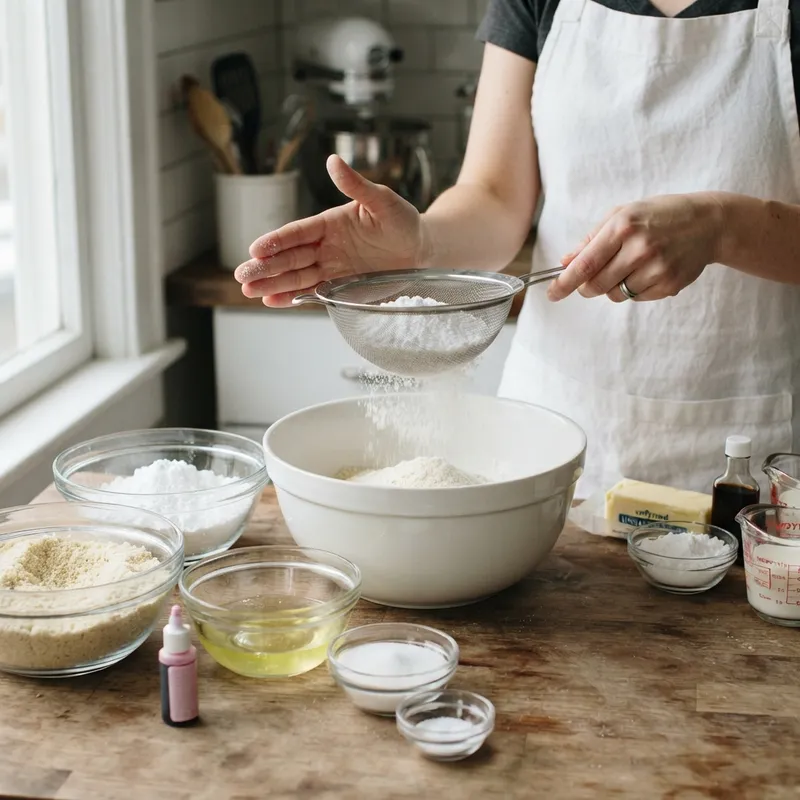
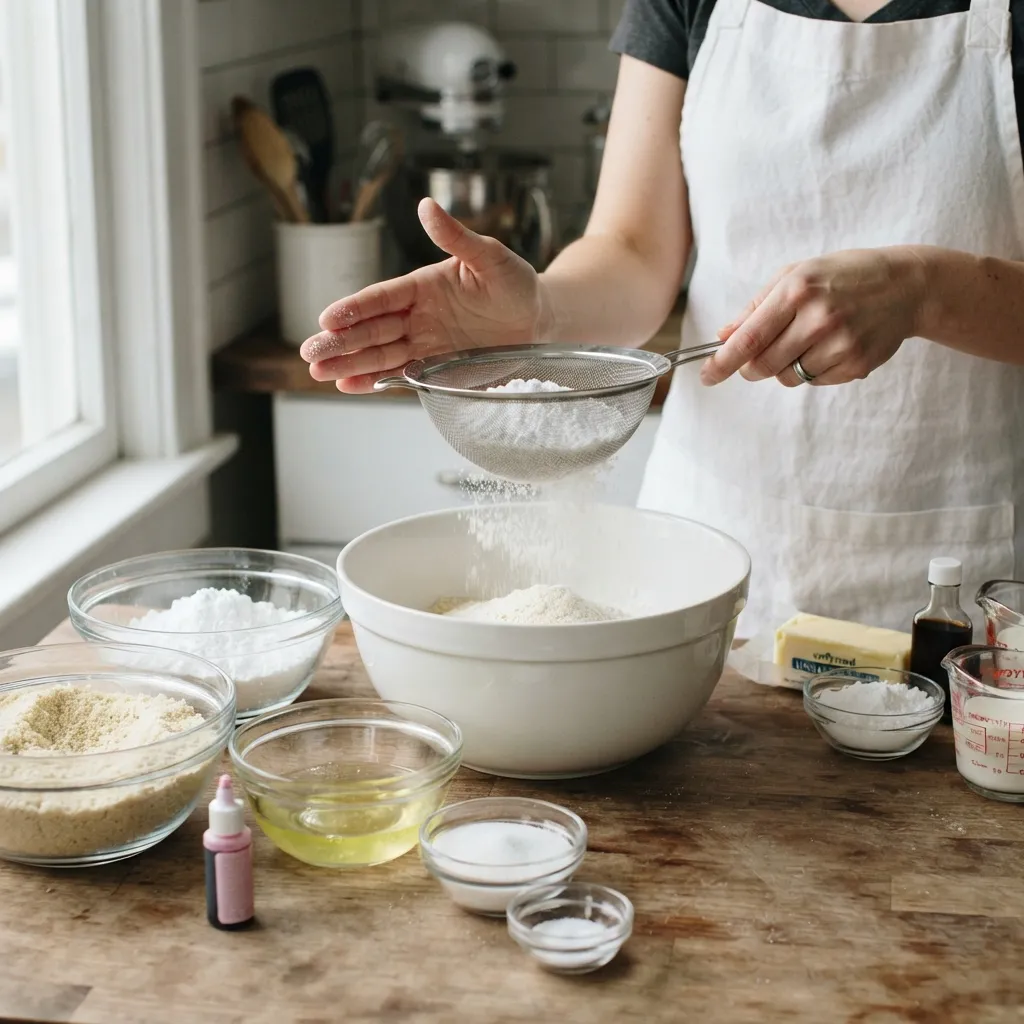
Sift the almond flour and powdered sugar together into a bowl; set aside.
- 2
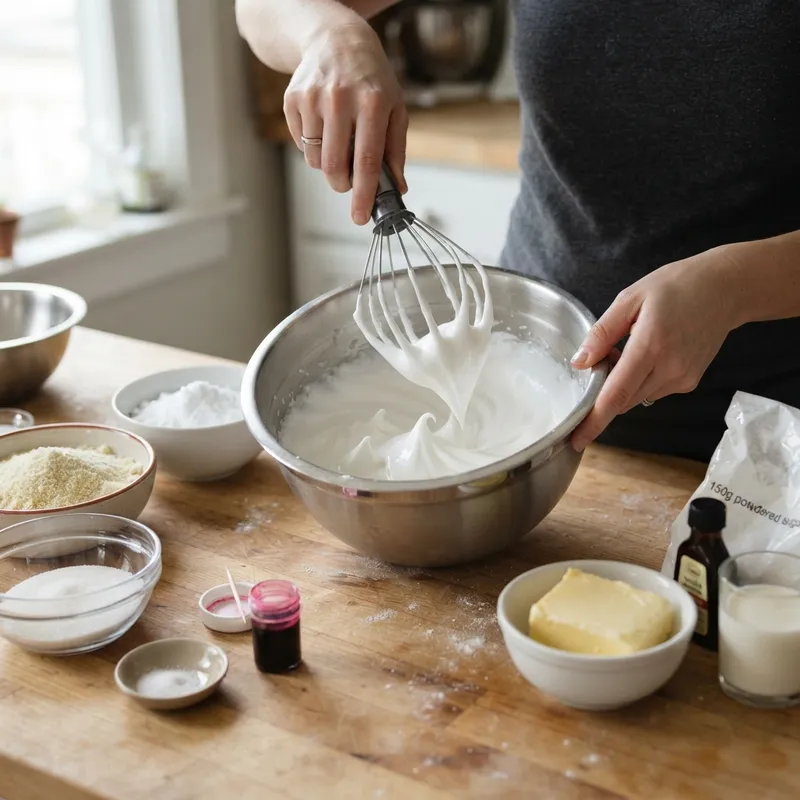
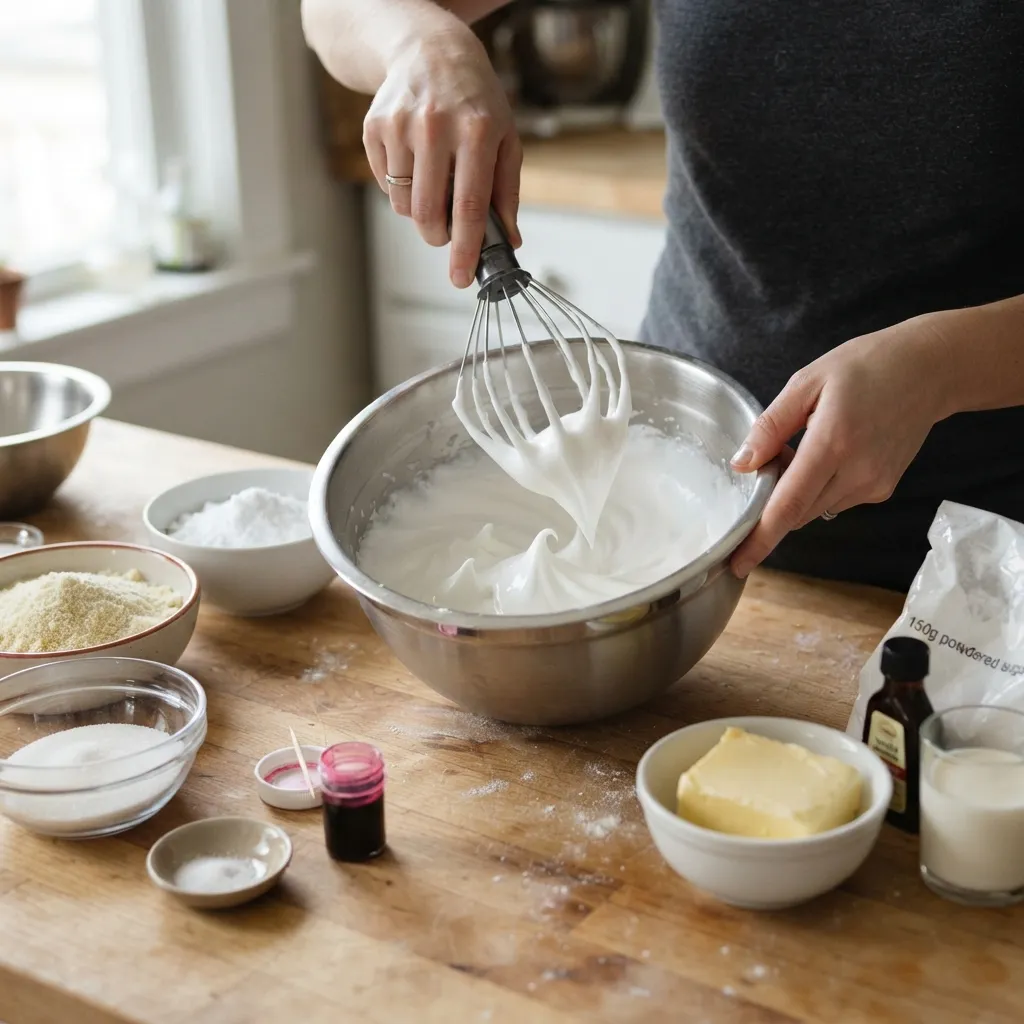
In a clean bowl, whisk the aged egg whites with a pinch of salt until frothy, then gradually add the granulated sugar, whisking until stiff, glossy peaks form.
- 3
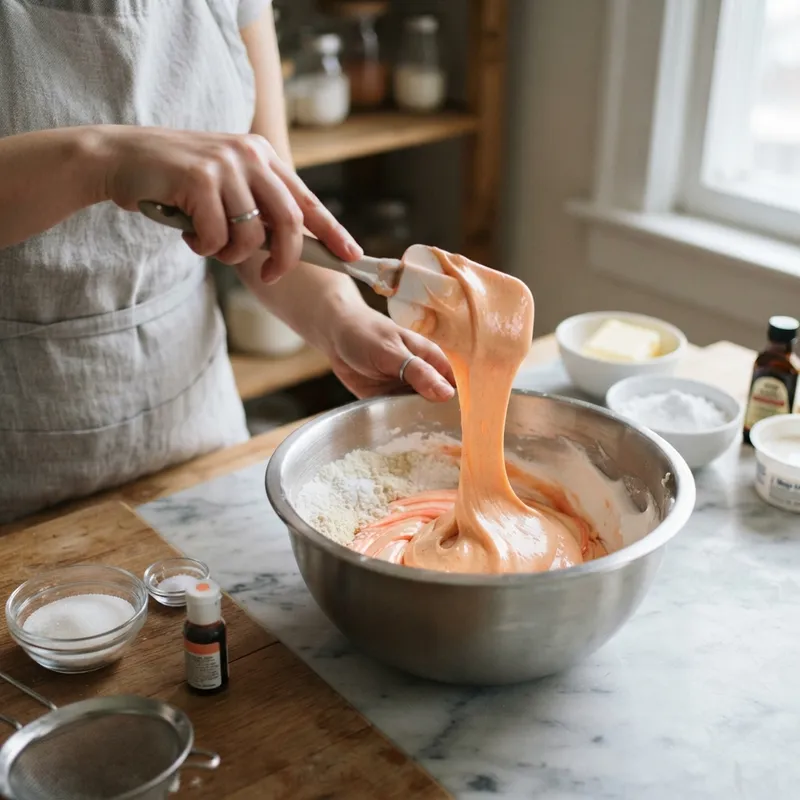
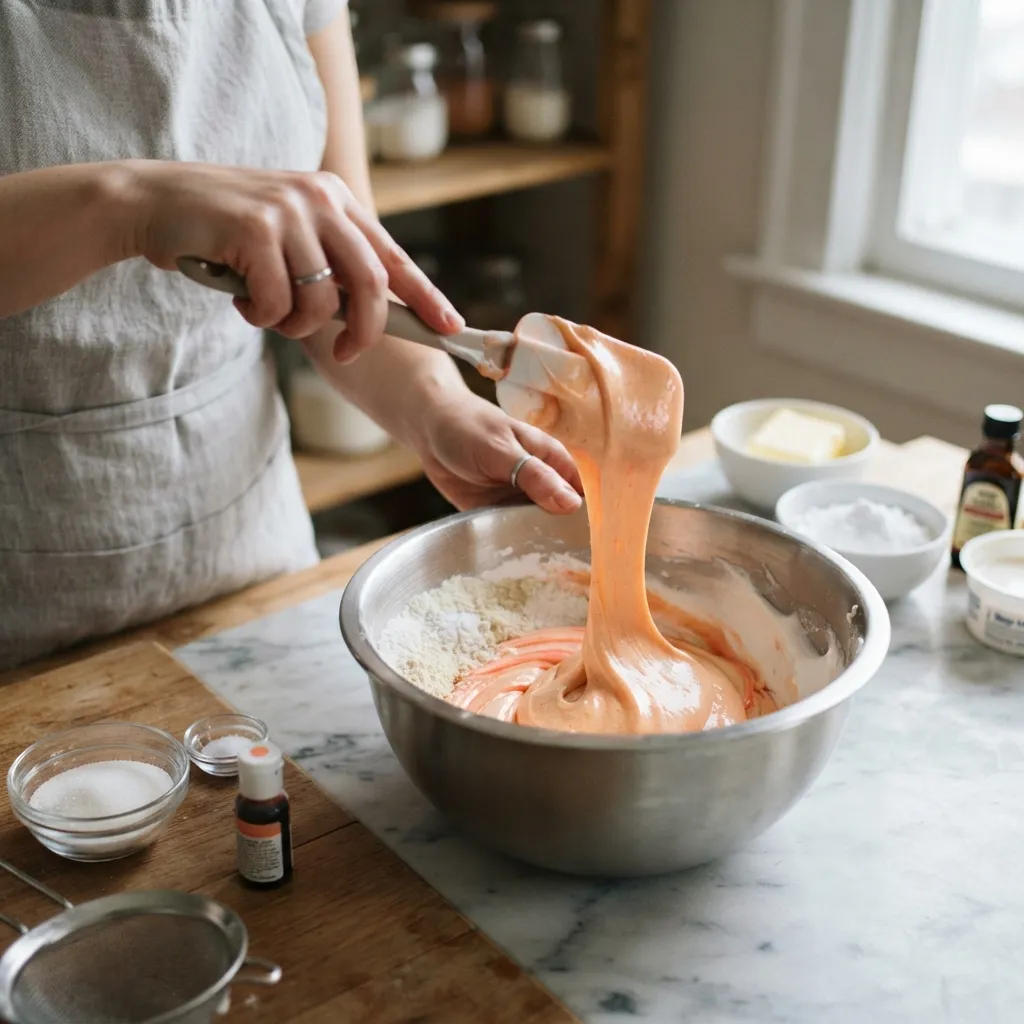
Gently fold the sifted dry mixture into the meringue, adding a few drops of gel food coloring if desired, until the batter flows like lava and forms a “figue” shape.
- 4
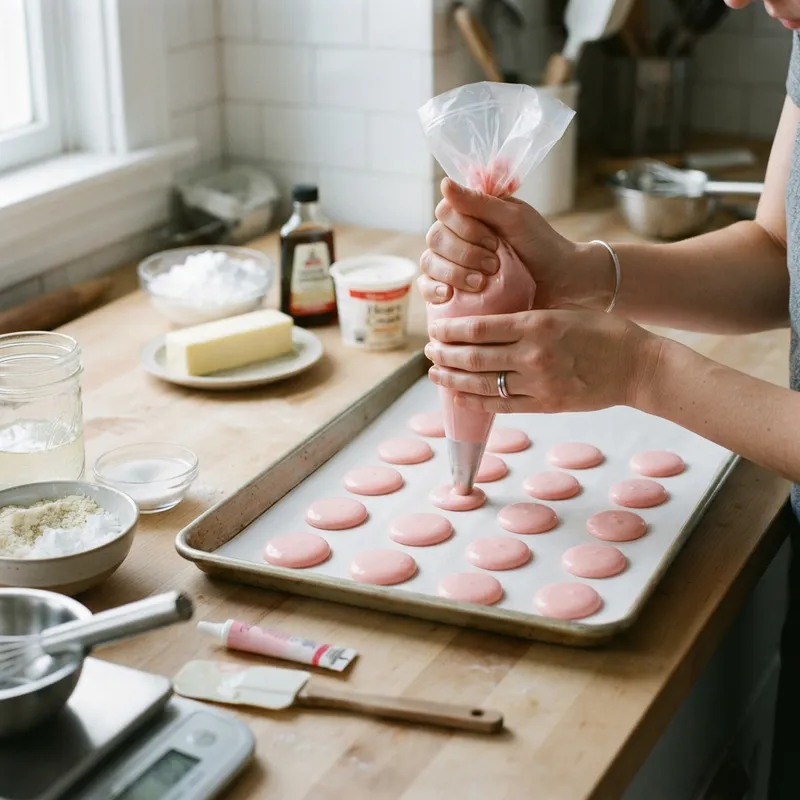
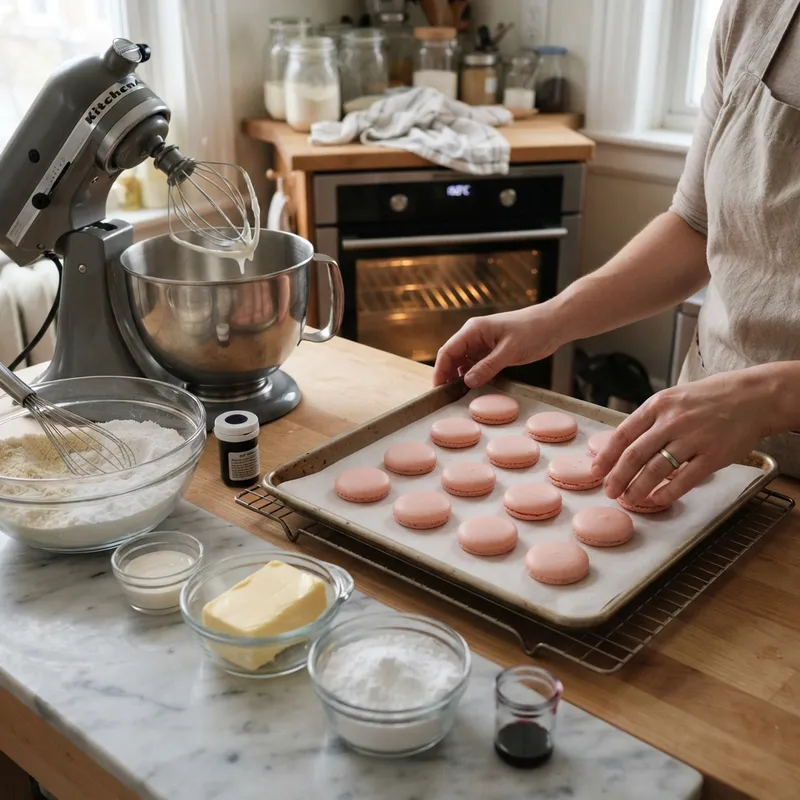
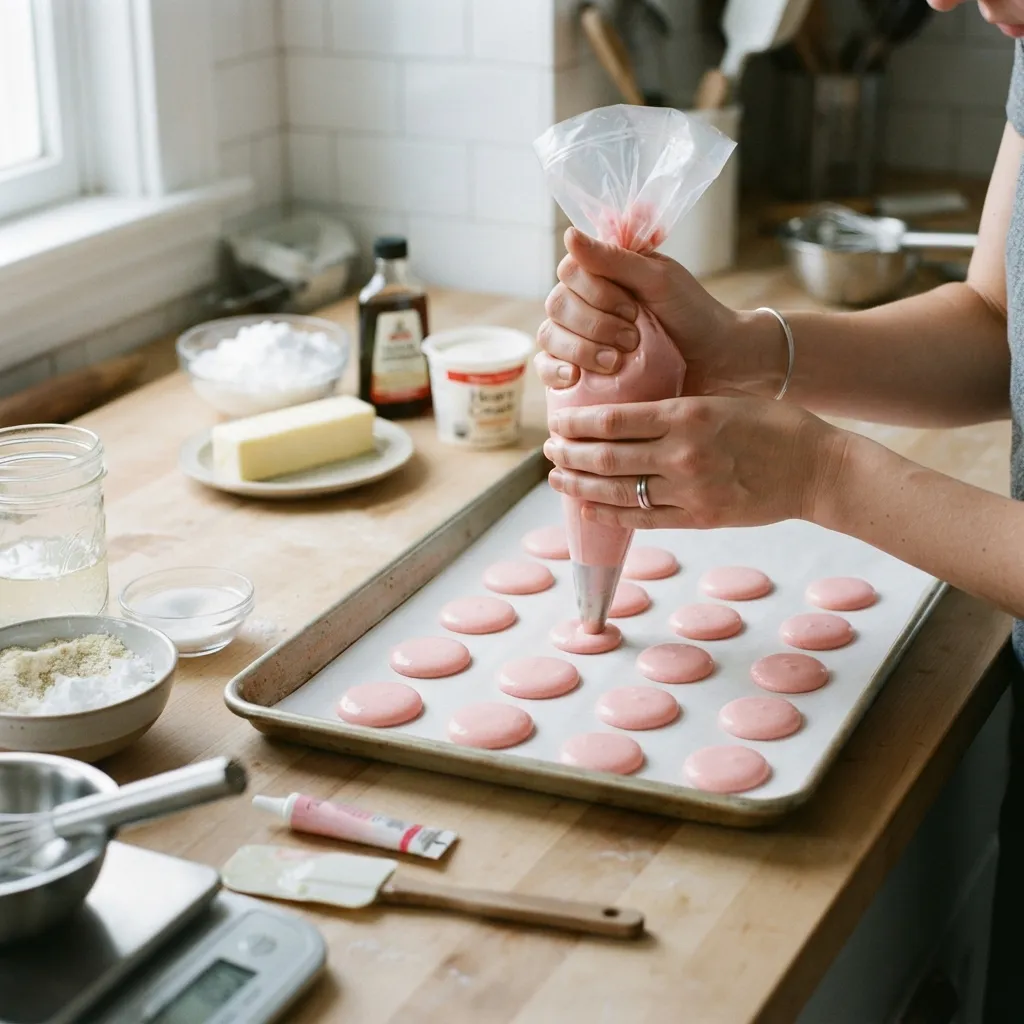
Pipe 1‑inch circles onto parchment‑lined trays, then tap the tray on the counter and let the shells rest at room temperature for 30‑45 minutes, until a skin forms.
- 5
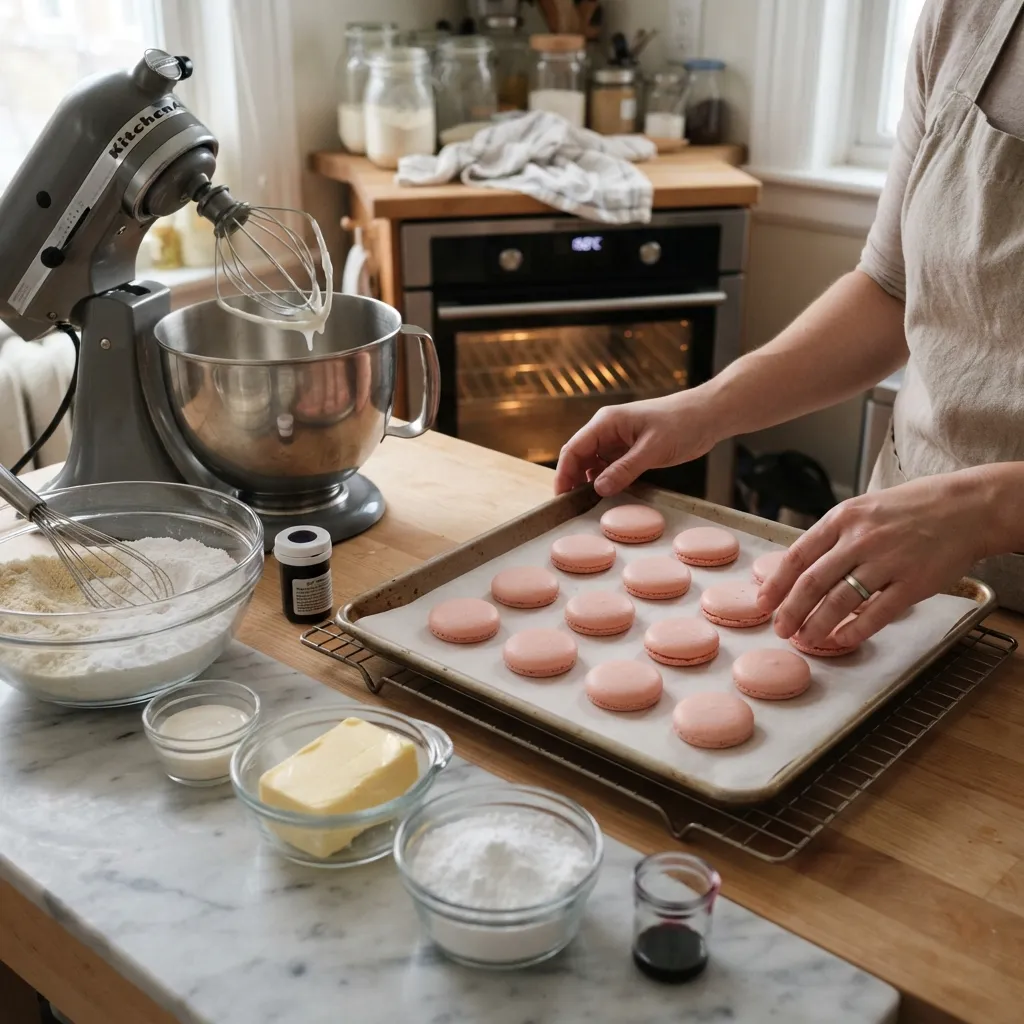
Preheat the oven to 150°C (300°F). Bake the shells for 12‑15 minutes, then let them cool completely before removing from the parchment.
- 6
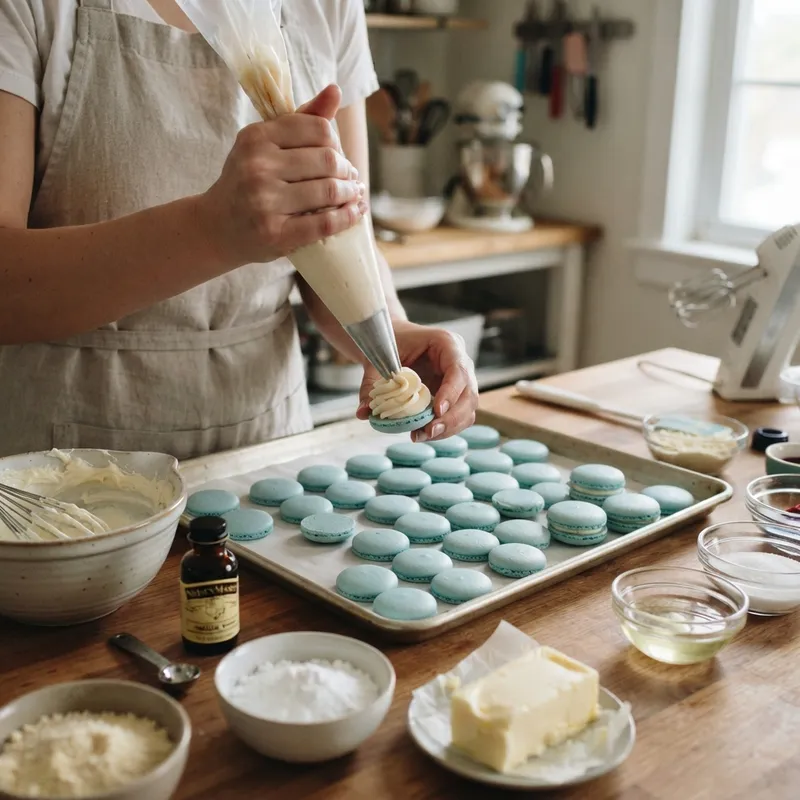
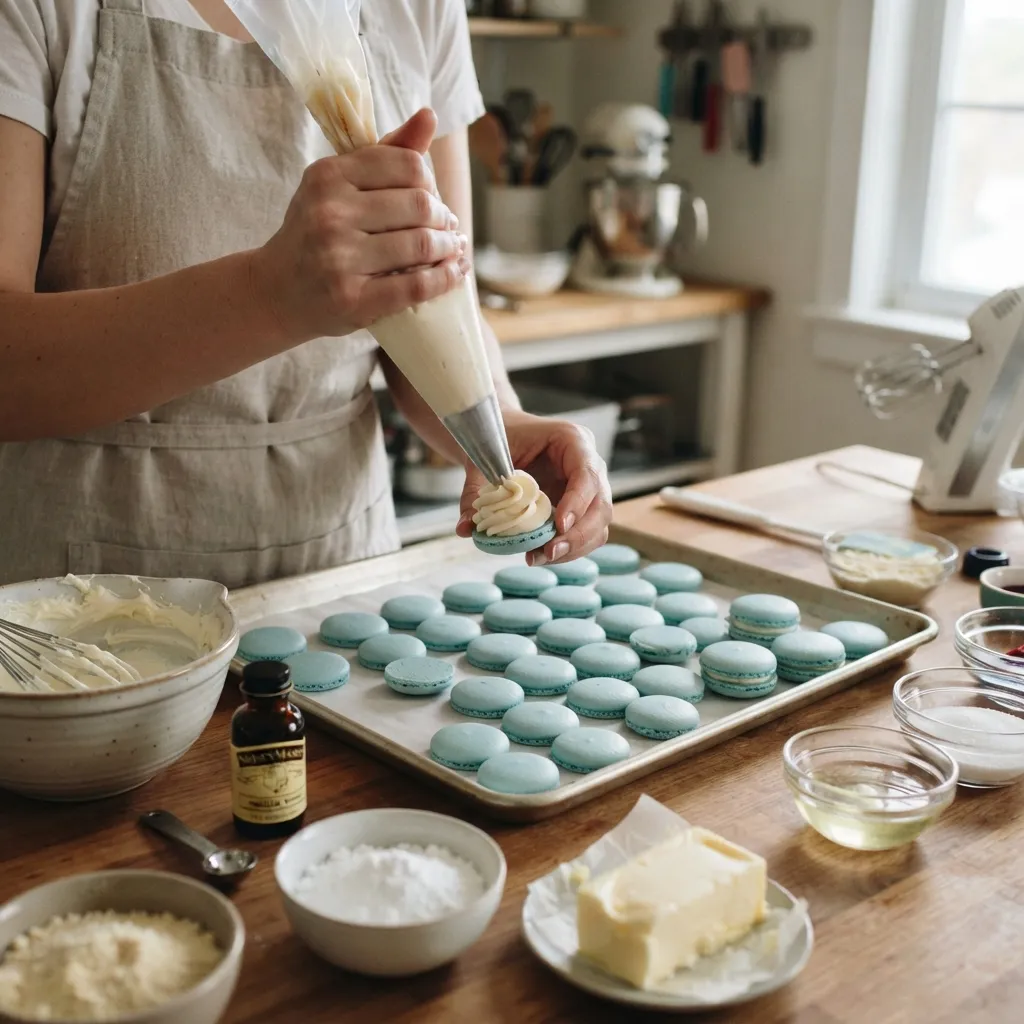
Whip butter, powdered sugar, vanilla, and cream into a smooth buttercream; pipe or spread onto the flat side of a shell, then sandwich with another shell.
Nutrition per serving
- 110 kcal
- Calories
- 2 g
- Protein
- 12 g
- Carbs
- 6 g
- Fat
Tips & notes
- If the shells spread too much, the batter was over‑mixed. - Humidity can prevent the skin from forming; choose a dry day or use a dehumidifier. - For richer flavor, toast the almond flour lightly before sifting.
Frequently asked questions
Can I use a stand mixer for the meringue?
Yes, a stand mixer on medium speed works well; just watch for glossy peaks without over‑beating.
What if my shells crack during baking?
A slight crack is normal; heavy cracks often mean the shells were under‑mixed or the oven temperature was too high.
How long can I store assembled macarons?
They keep well in an airtight container in the fridge for up to 3 days; flavors actually deepen.
Can I freeze macarons?
Yes, freeze the shells and filling separately, then assemble when ready to serve.
Do I need to age almond flour?
A short 30‑minute rest helps remove moisture and yields a finer texture.
What fillings work best?
Classic buttercream, chocolate ganache, or fruit curds are all excellent choices.

Emma Harper
🥖✨ Lover of timeless recipes, cozy kitchens, and golden loaves. Always baking memories with love ❤️🍽️.