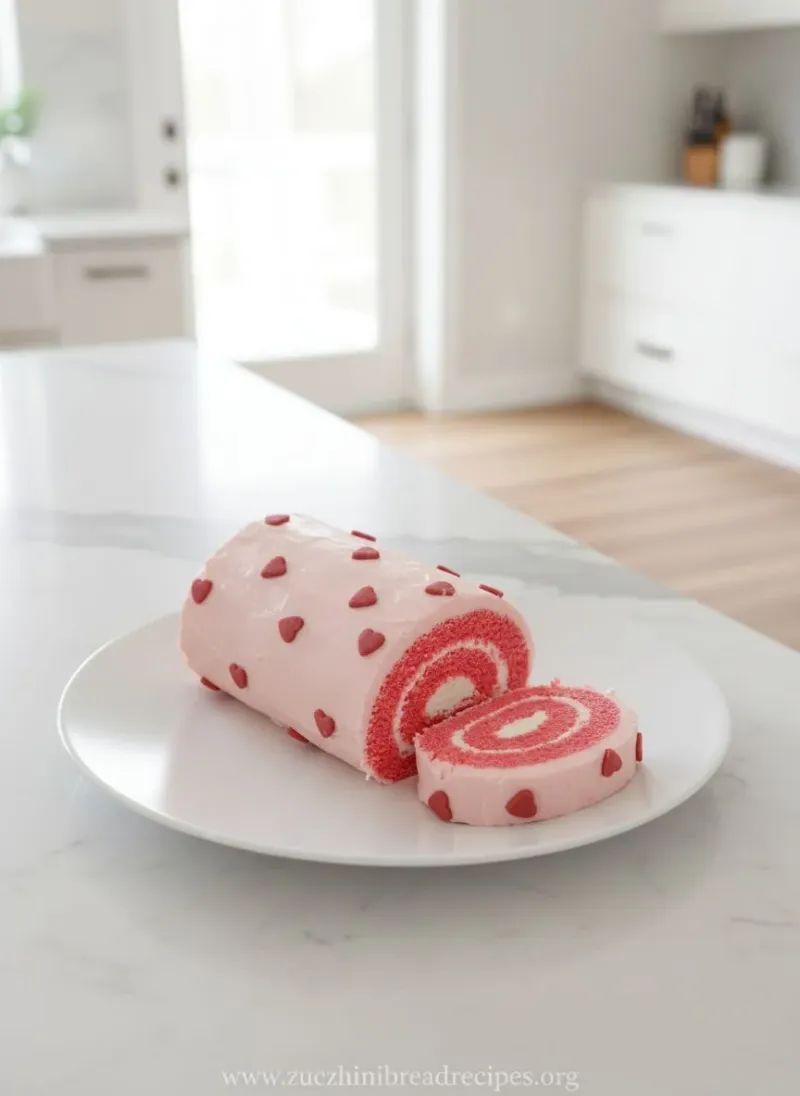
Honestly, there’s something timeless about a cake that rolls itself into a heart. I remember the first time I tried a roll cake; the kitchen smelled of vanilla and butter, and the batter whispered promises of softness. This version is simple, sweet, and just a touch nostalgic.
The essence of the dish
A light sponge layered with a whisper of buttercream, rolled into a tender heart that feels both humble and celebratory.
A fun fact or historical angle
Roll cakes first appeared in Victorian England, where they were called "Swiss rolls" and served with tea.
Flavor or sensory focus
You’ll notice the soft vanilla scent, the faint citrus sparkle from lemon zest, and the melt‑in‑your‑mouth sweetness.
You Must Know
- Do not over‑mix the batter
- Cool the sponge before filling
- Roll while warm for a smooth shape
I remember rolling my first cake while the kitchen was still warm from the oven. The dough was pliable, and the scent of vanilla lingered. It took a few tries, but each roll became easier. Patience and a gentle hand are truly all you need.
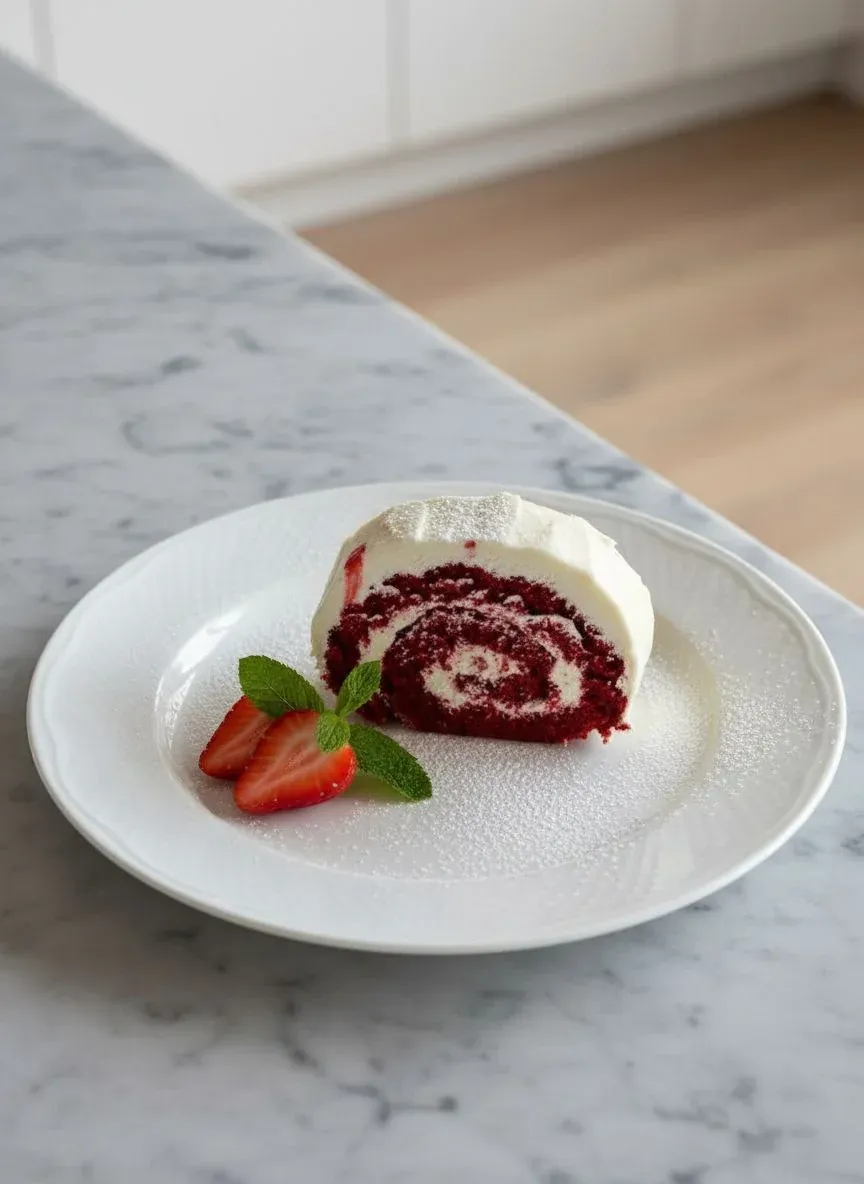
The story behind it
The roll cake originated in Europe, where bakers would roll sponges to create elegant desserts for tea time. Over the centuries, the technique traveled across continents, adapting to local flavors. The heart shape emerged in the 20th century as a playful nod to romance and celebration, making the cake a staple at birthdays, weddings, and quiet family gatherings.
Why You'll Love It
- Light texture that practically melts on the tongue
- Simple ingredients you likely have at home
- A beautiful heart shape without fancy tools
- Subtle vanilla aroma that fills the kitchen
Tips for success
- Do not over‑mix the batter, it will make the cake tough.
- Roll the cake while warm for a smooth shape.
- Use a light dusting of powdered sugar to prevent sticking.
Professional secrets
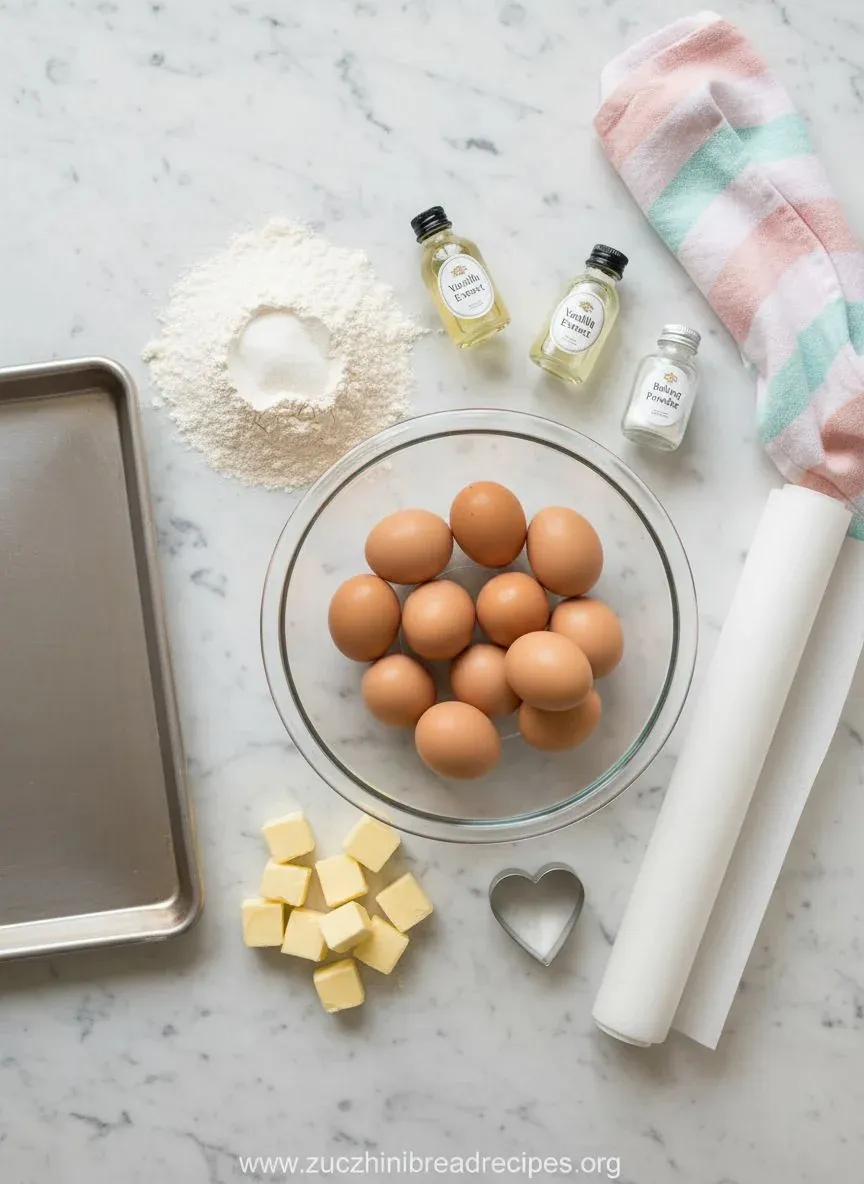
- Room temperature eggs create a stable emulsion.
- Folding in egg whites gently preserves air for a fluffy texture.
- A quick burst of high heat at the start gives the sponge a slight rise.
Common mistakes to avoid
- Over‑mixing the batter, which creates a dense crumb.
- Rolling the cake while it’s too cool; it may crack.
- Using too much glaze, which can make the cake soggy.
Substitutions
- Whole milk: Almond milk or oat milk. Keeps the cake dairy‑free; may be slightly thinner.
- Heavy cream: Coconut cream. Adds a subtle coconut flavor; chill before whipping.
Variations
- Spicy Version: Add a pinch of ground cinnamon and a drizzle of honey for warm depth.
- Mediterranean Style: Incorporate a thin layer of mascarpone mixed with orange zest and a sprinkle of toasted pistachios.
Storage
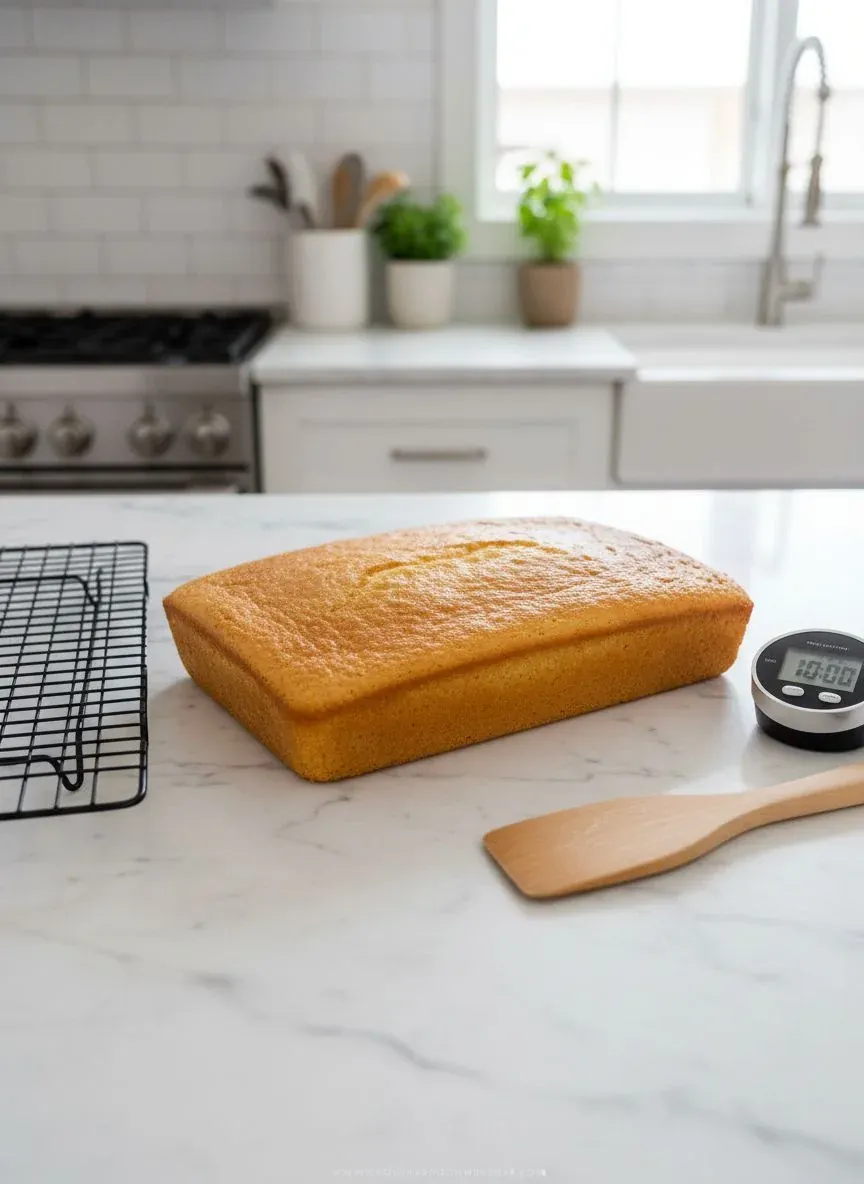
Store in an airtight container at room temperature for up to three days; refrigerate if filled with fresh fruit.
Make ahead
You can bake the sponge a day ahead, keep it wrapped in plastic, and fill it just before serving for maximum freshness.
Leftovers
Store any leftover slices in a sealed container; gently re‑warm in the microwave for 15 seconds before enjoying.
Serving ideas
- Serve each slice with a dollop of whipped cream.
- Pair with a side of fresh berries for color and acidity.
- Garnish with edible rose petals for a romantic touch.
- Accompany with a warm cup of chamomile tea.
Allergy information
Contains eggs, dairy, and gluten.
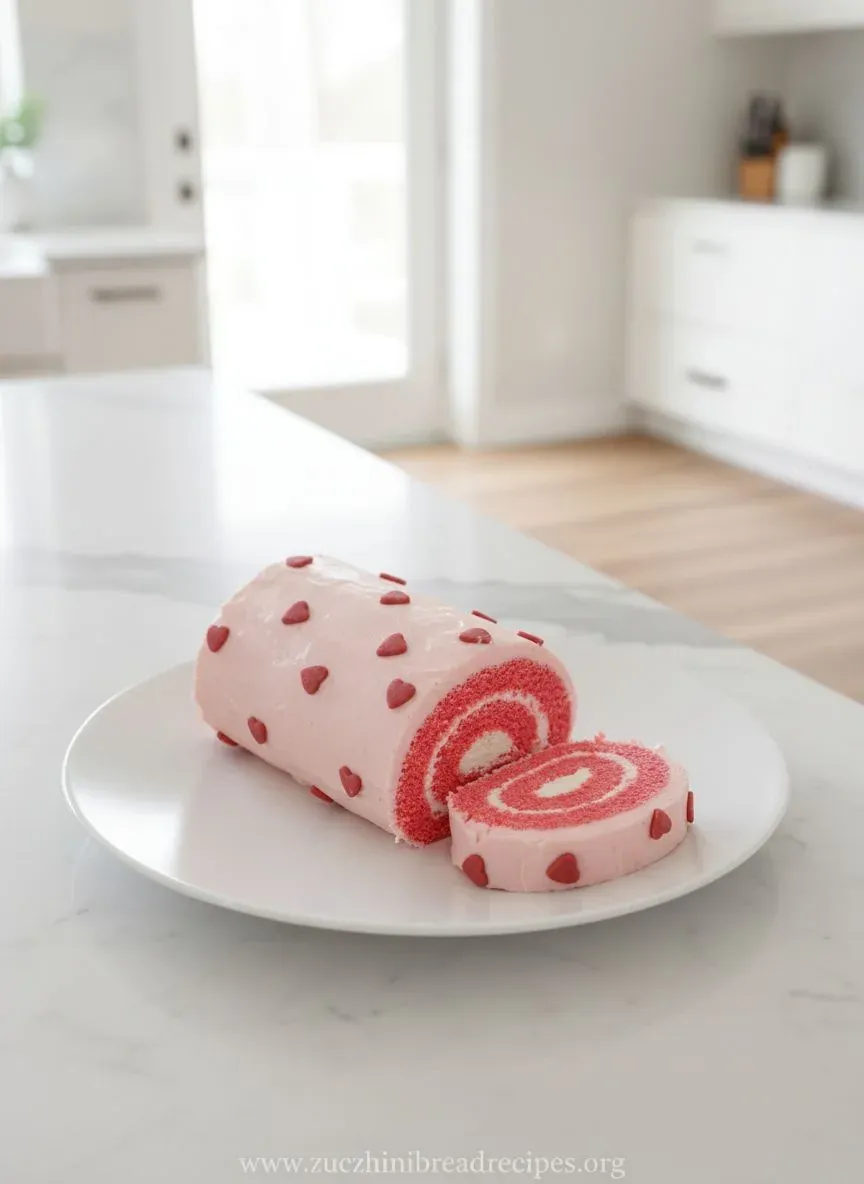
- Prep time
- 20 min
- Cook time
- 15 min
- Total time
- 35 min
- Difficulty
- Medium
- Cuisine
- American
- Course
- Dessert
Ingredients
Sponge
Filling
Glaze
Instructions
- 1
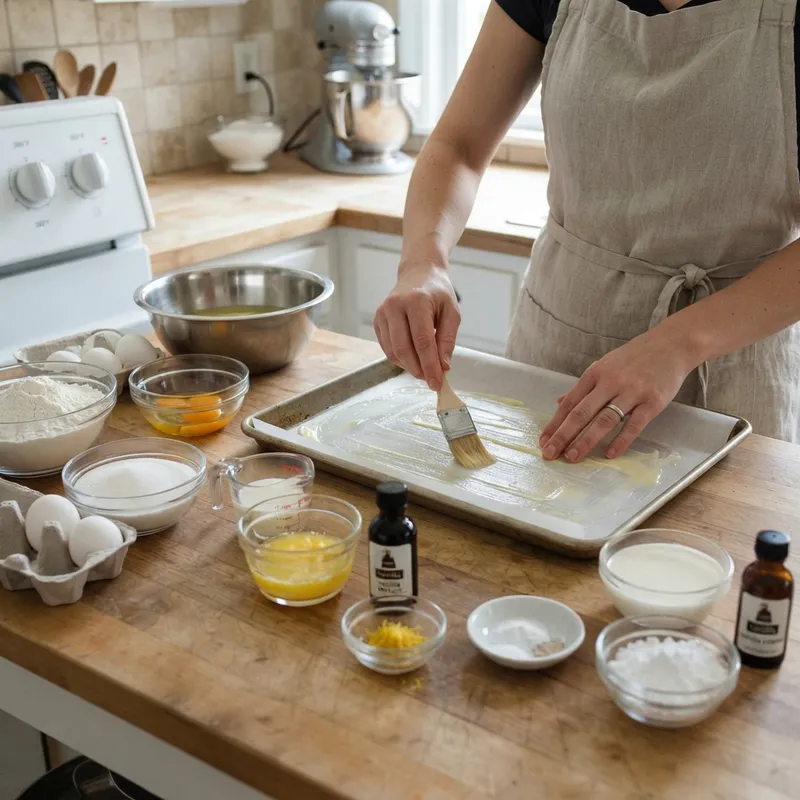
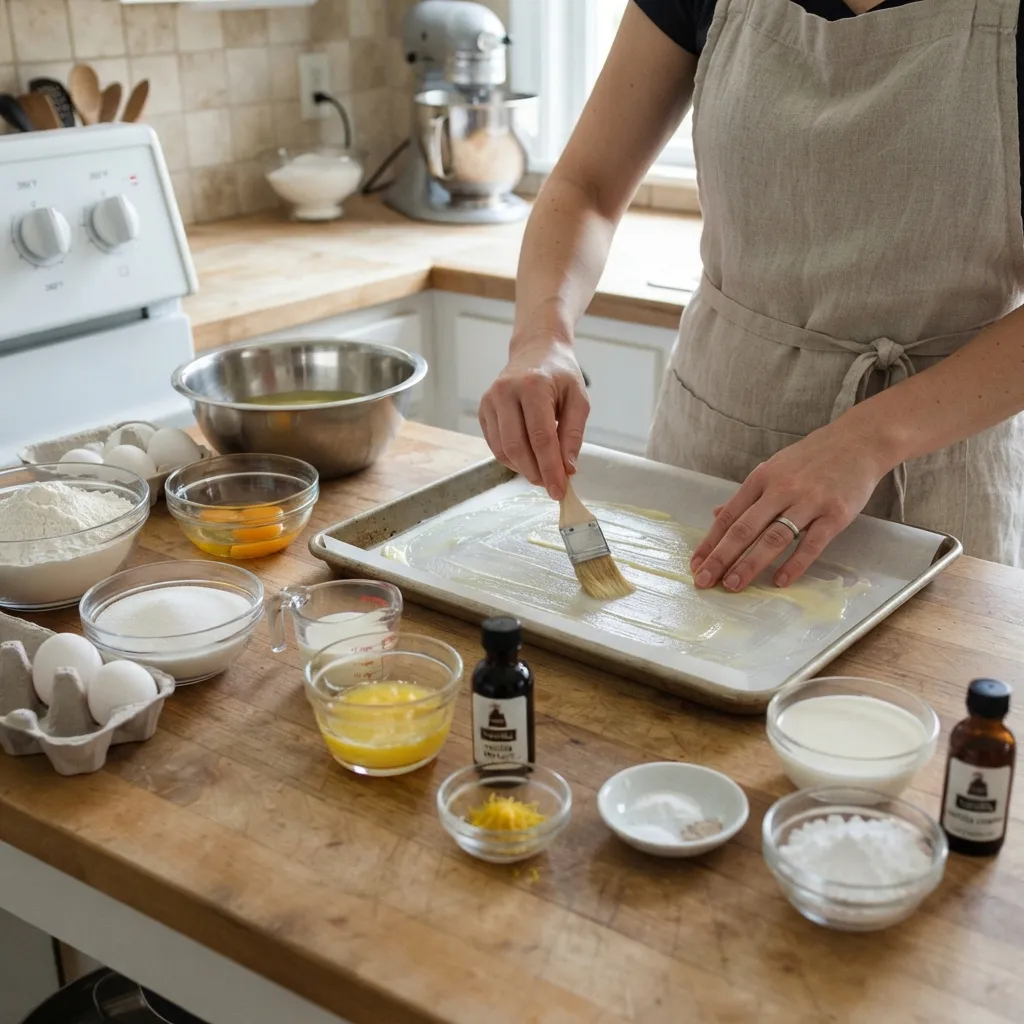
Preheat the oven to 350°F (175°C). Line a jelly‑roll pan with parchment paper and lightly butter it.
- 2
In a bowl, whisk egg yolks with half the sugar until pale. Add milk, melted butter, vanilla, and lemon zest; stir gently.

- 3
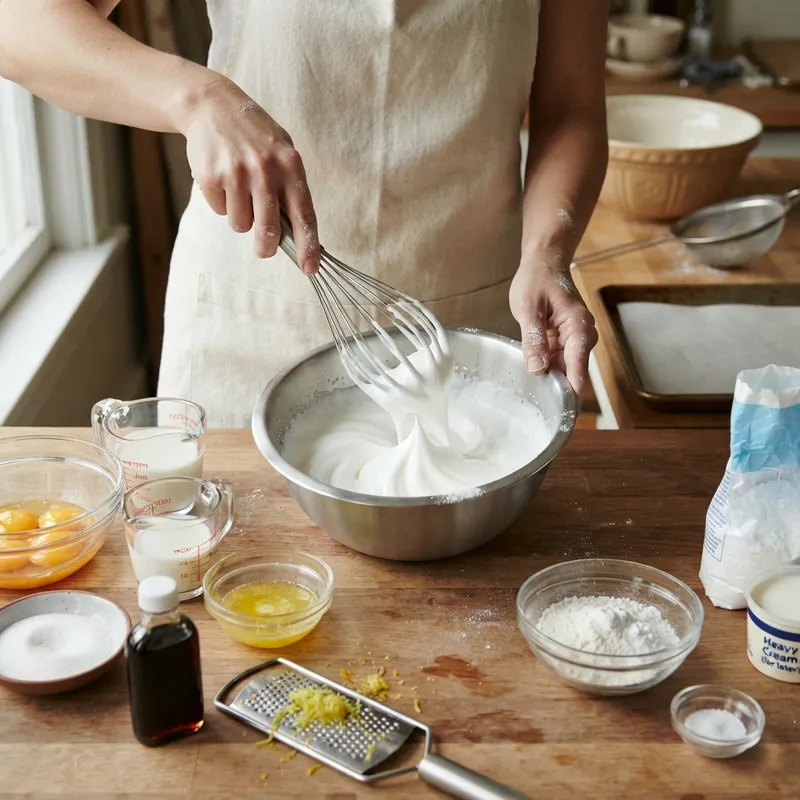
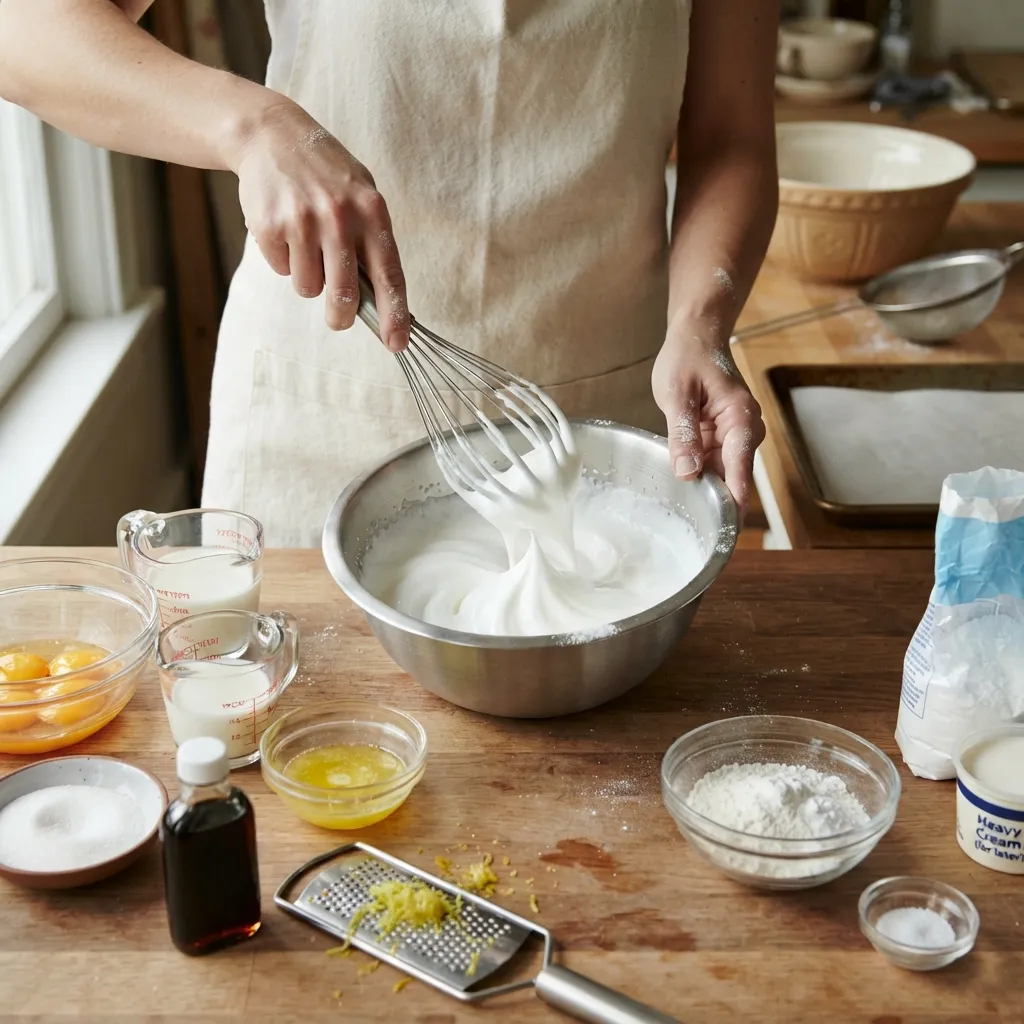
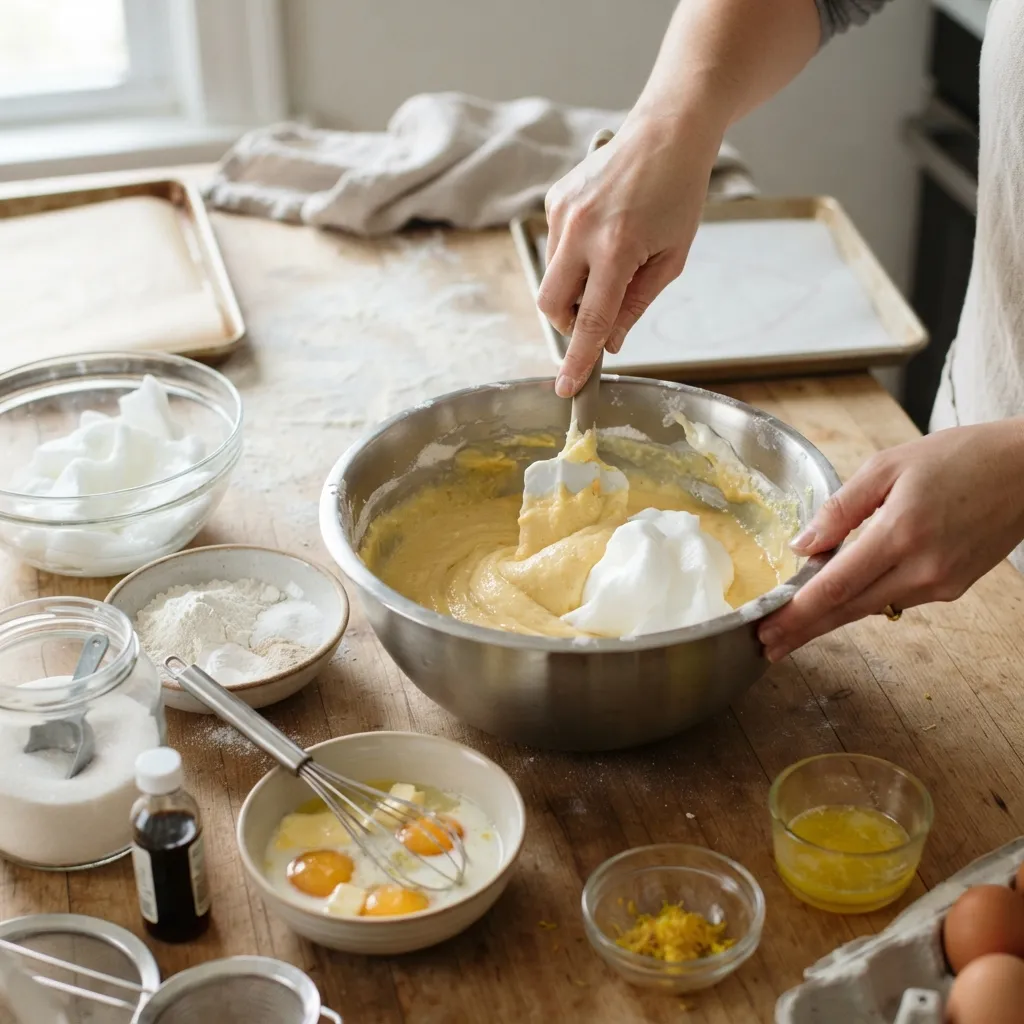
In a separate clean bowl, beat egg whites with a pinch of salt until frothy. Gradually add the remaining sugar and beat to stiff peaks.
- 4
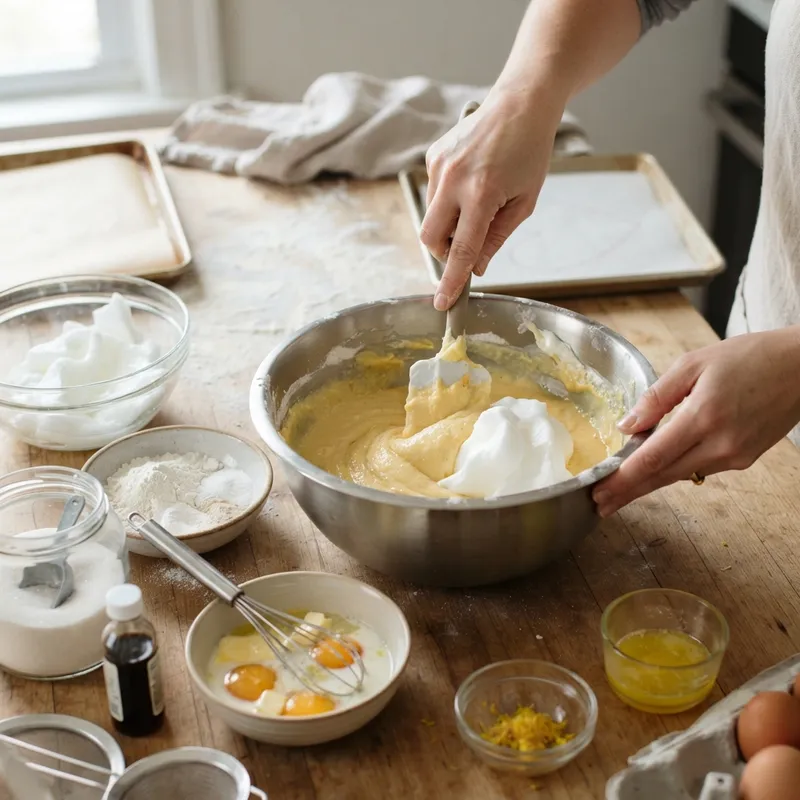
Fold the flour, baking powder, and salt into the yolk mixture. Gently fold in the beaten egg whites in thirds, preserving air.
- 5
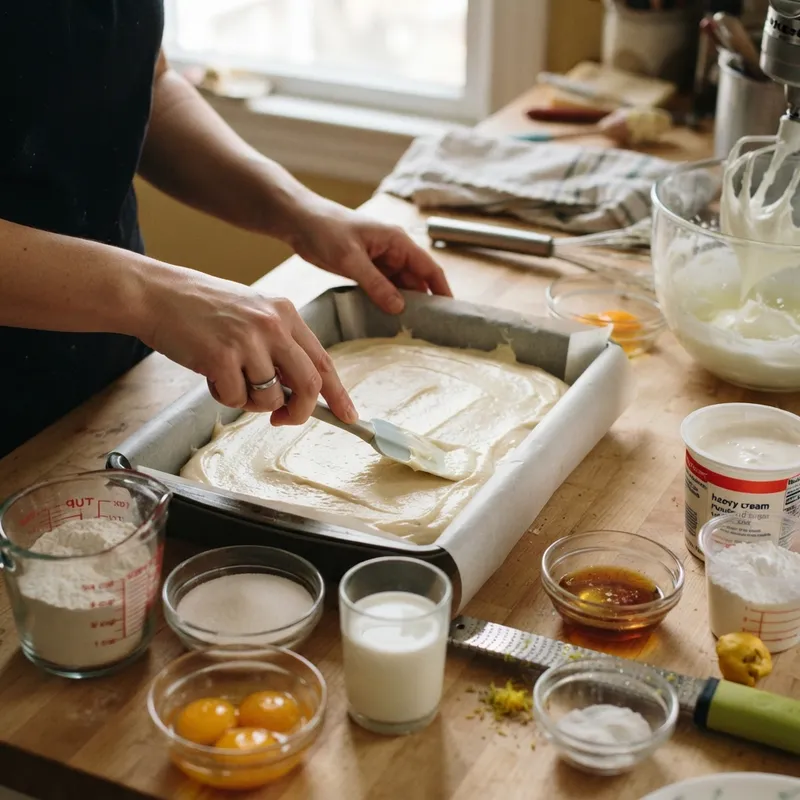
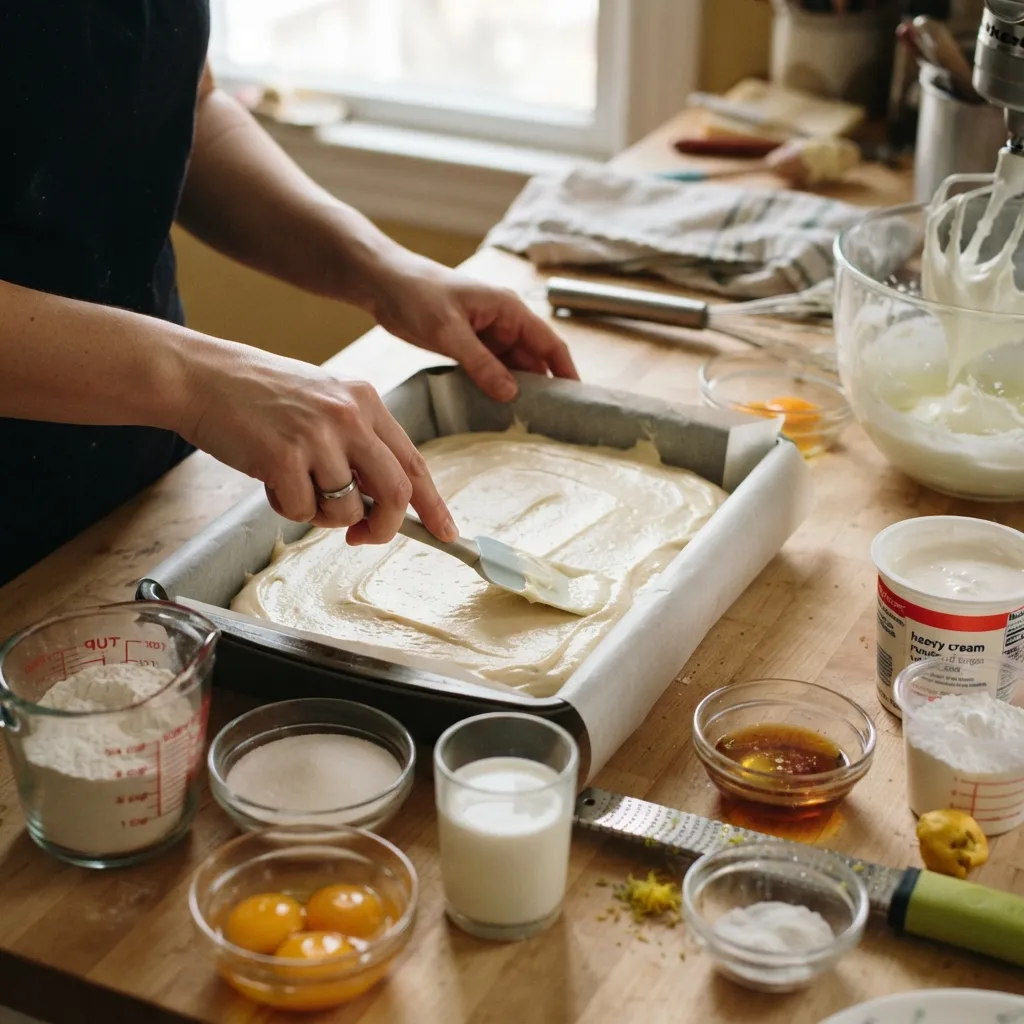
Spread the batter evenly in the prepared pan. Bake 12‑15 minutes, until the top is springy and lightly golden.
- 6
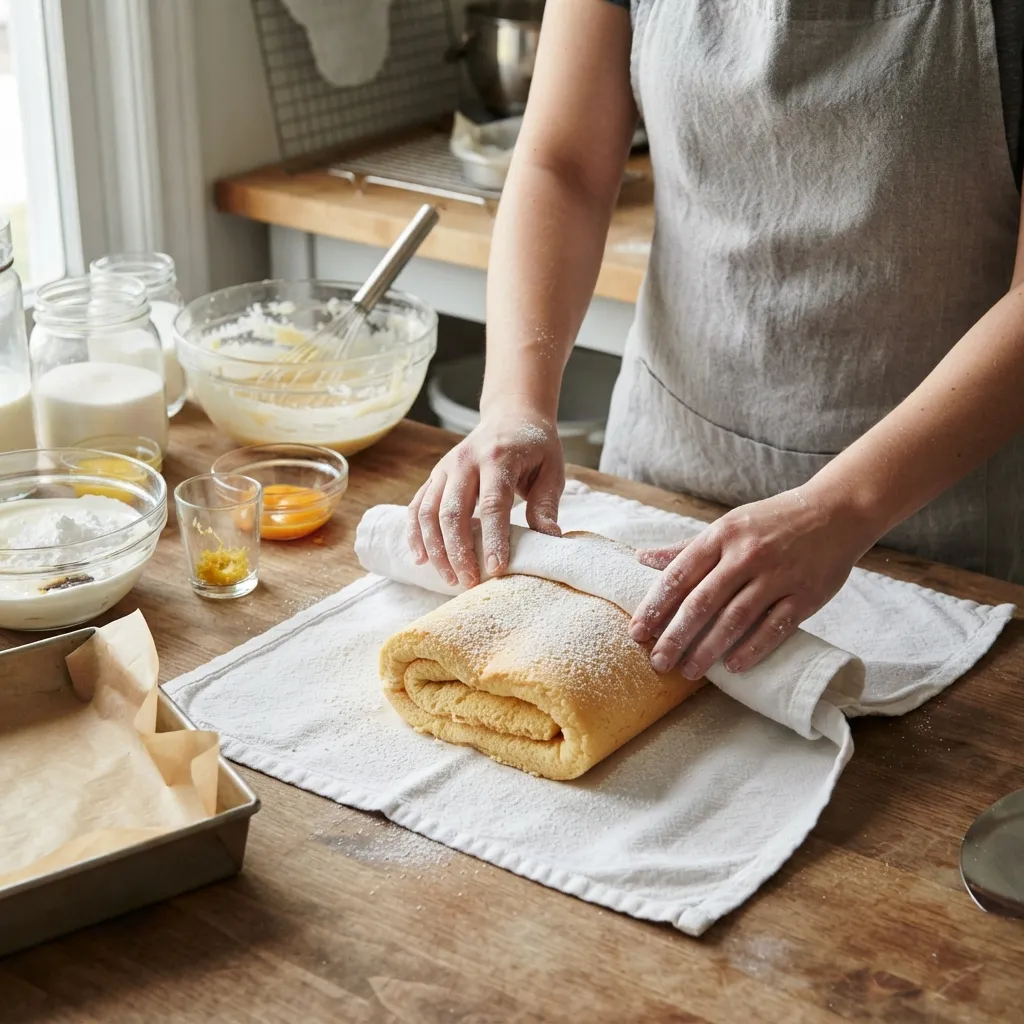
While warm, dust the pan with powdered sugar, invert onto a clean kitchen towel, and roll gently into a heart shape. Let cool completely.

- 7
Whip the heavy cream with powdered sugar and vanilla until soft peaks form. Spread over the cooled cake, add strawberries if desired, then re‑roll gently.

- 8
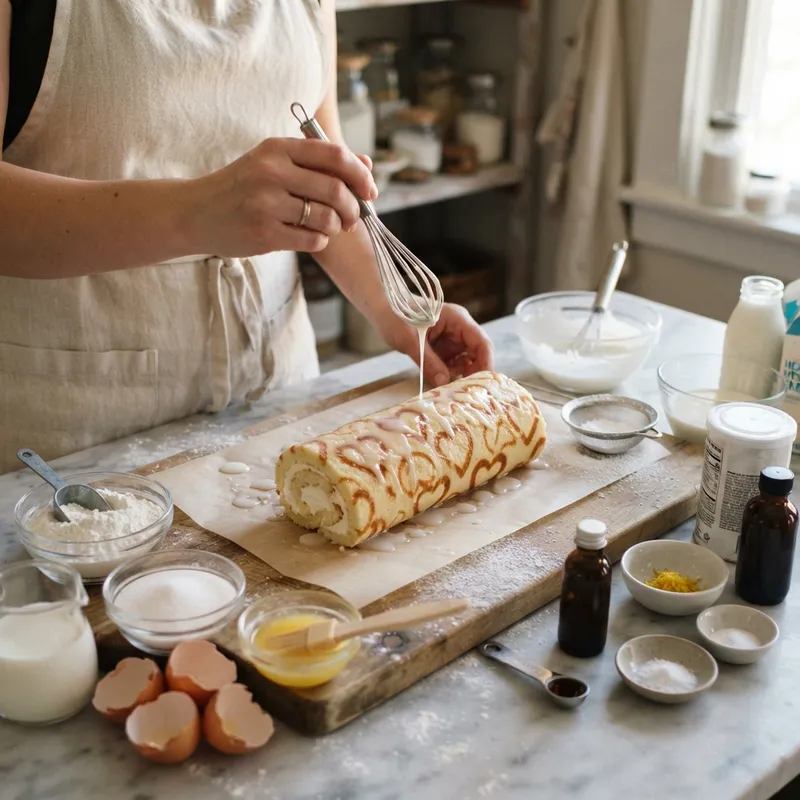
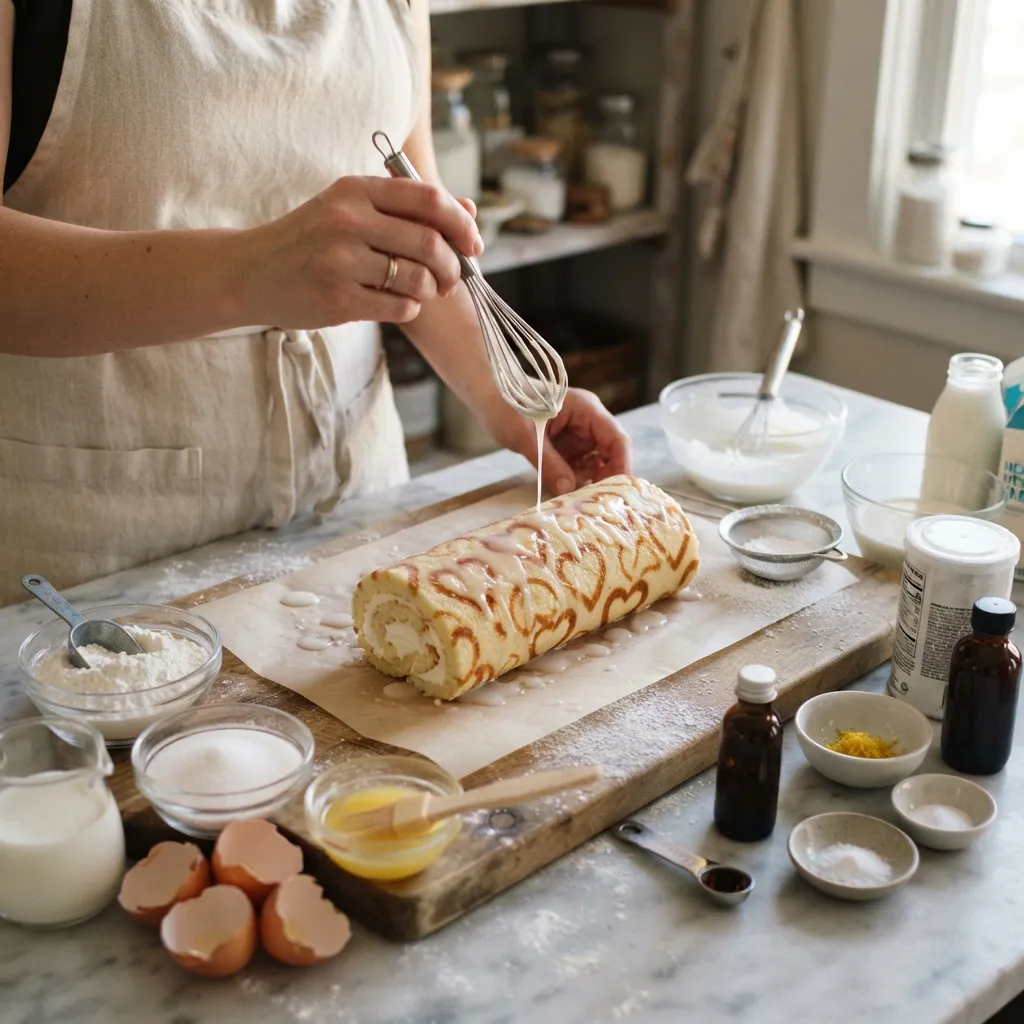
Mix glaze ingredients, drizzle over the final roll, and dust with extra powdered sugar for a glossy finish.


Nutrition per serving
- 320 kcal
- Calories
- 6 g
- Protein
- 42 g
- Carbs
- 12 g
- Fat
Tips & notes
- If the batter seems too thin, add a tablespoon more flour; the sponge should be spreadable but not runny. - For extra moisture, brush the warm cake with a light syrup made from equal parts water and sugar. - You can substitute almond extract for a nutty nuance.
Frequently asked questions
Can I use oil instead of butter?
Yes, but butter gives the cake its characteristic richness and flavor.
How do I keep the roll from cracking?
Roll the cake while it’s still slightly warm and use a light dusting of powdered sugar.
What filling works best?
A simple whipped cream or silky buttercream pairs beautifully; you can also try a fruit jam.
Can I make this gluten‑free?
Swap all‑purpose flour for a 1‑to‑1 gluten‑free blend; the texture stays tender.
How long does it keep?
Stored in an airtight container, it stays fresh for up to three days at room temperature.
Is it okay to freeze the cake?
Yes, wrap tightly and freeze for up to two months; thaw slowly before serving.

Emma Harper
🥖✨ Lover of timeless recipes, cozy kitchens, and golden loaves. Always baking memories with love ❤️🍽️.