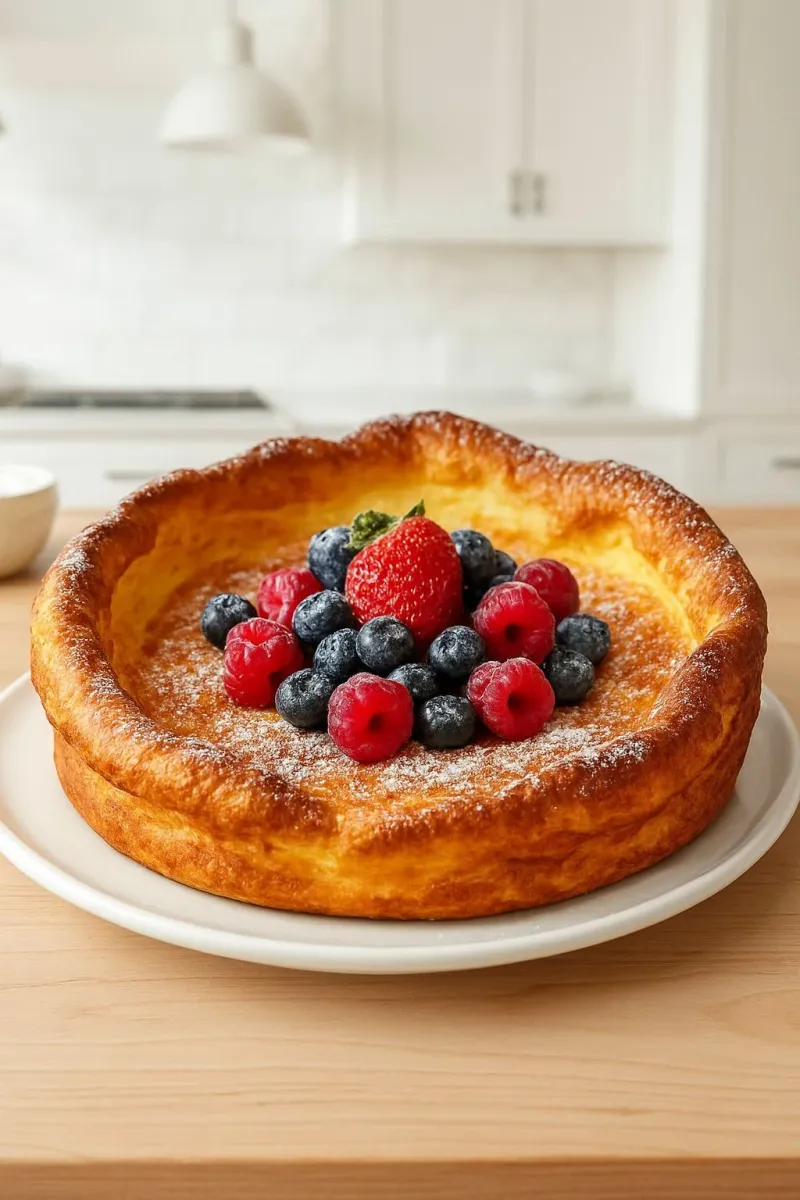
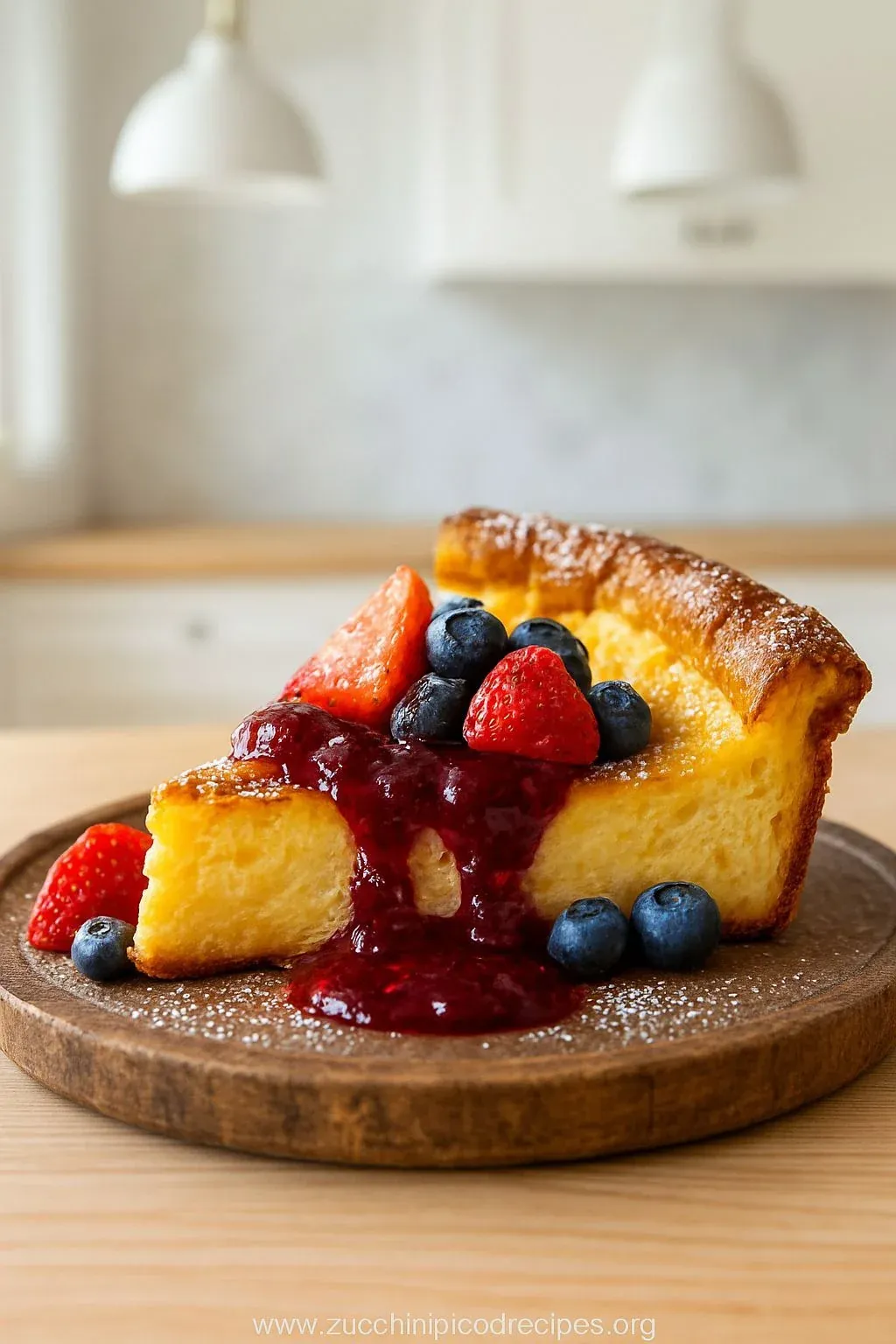
Honestly, there’s something magical about watching the batter rise in the oven. I remember first seeing a German pancake link puff up like a sunrise, the edges crisp while the middle stays soft and buttery. It’s a breakfast that feels both special and uncomplicated.
The essence of the dish
It’s essentially a simple batter of eggs, flour, milk, and butter that transforms into a golden, puffy pancake. The contrast between the caramelized edges and the soft center is what makes it unforgettable.
A fun fact or historical angle
The name “Dutch baby” is a misnomer; it actually hails from Germany, with the term popularized by an American restaurant in the 1920s.
Flavor or sensory focus
You’ll notice a buttery aroma, a gentle vanilla perfume, and the bright zing of lemon zest that lifts the whole experience.
You Must Know
- The batter must be mixed just until smooth; over‑mixing can toughen the texture.
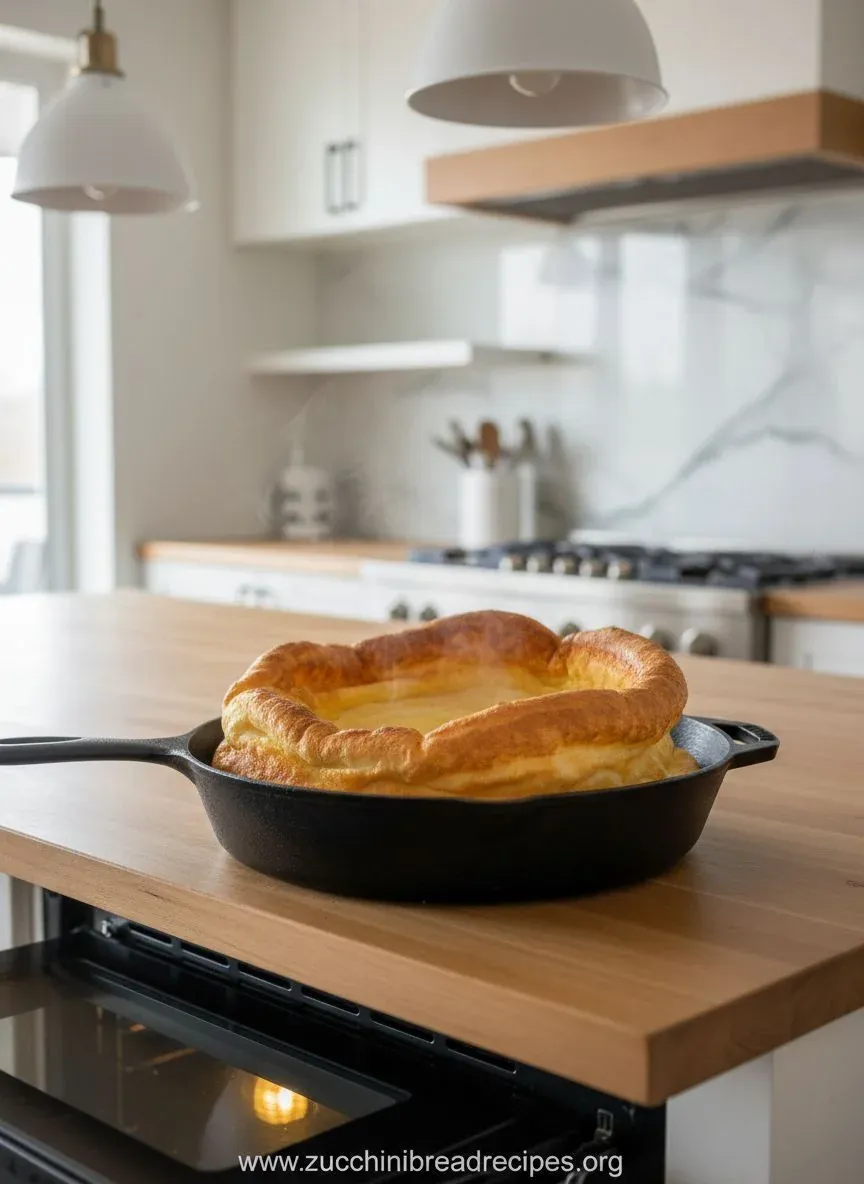
- A metal skillet conducts heat better than glass for a crisp edge.
- Timing is key – 20‑25 minutes yields the perfect puff.
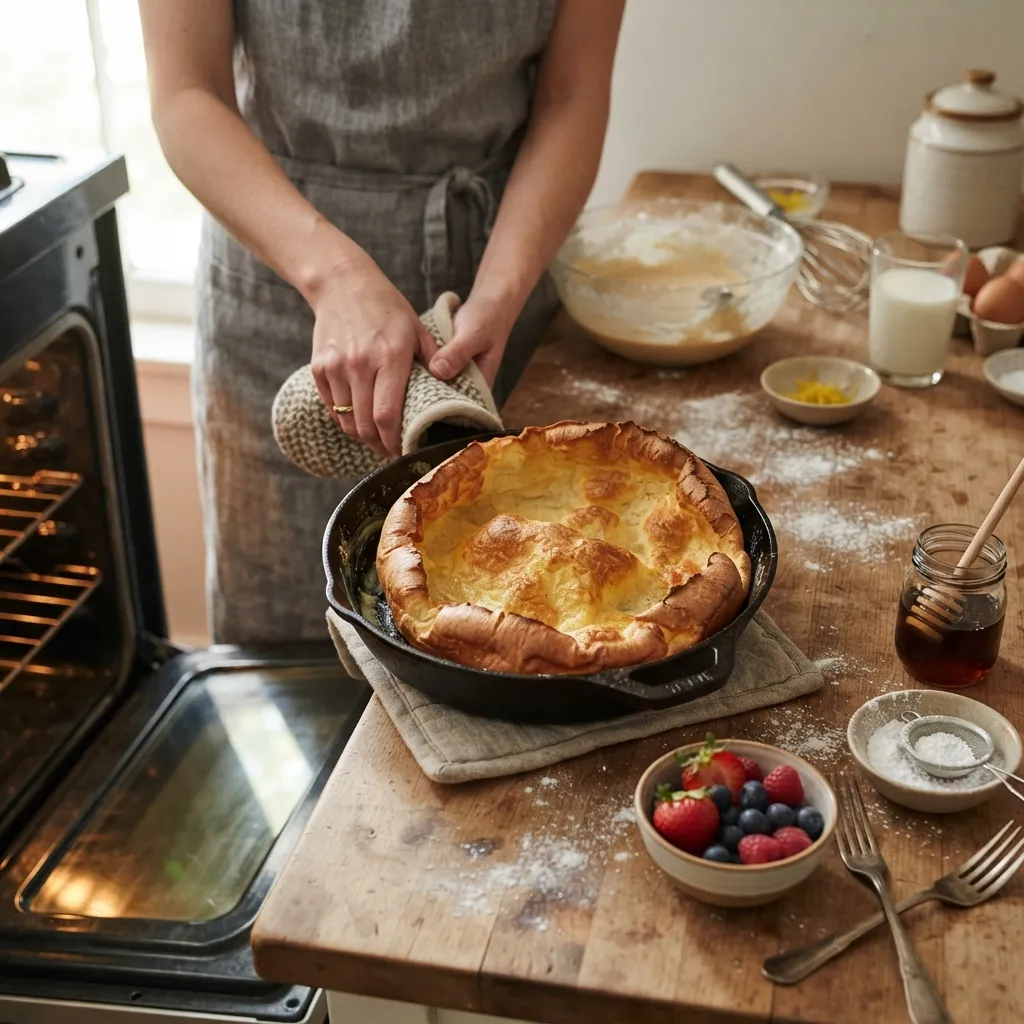
I mean, it’s the little details that turn a good pancake into a memorable one. The moment you see it rise in the oven, it feels like a quiet celebration. Let the pancake rest a minute before cutting; the interior stays moist and the edges stay crunchy.
The story behind it
The German pancake link, also known as a Dutch baby, originated in early 20th‑century Germany before crossing the Atlantic. It quickly became a staple in American diners, prized for its dramatic rise and delicate texture. This dish bridges the comfort of a home‑cooked meal with a touch of theatrical flair, making it a timeless favorite for weekend brunches.
Why You'll Love It
- It rises on its own, no flipping required
- Simple pantry ingredients create a luxurious texture
- Versatile topping options for every season
- Warm aromas fill the kitchen, inviting conversation
Tips for success
- Don’t over‑beat the batter; it keeps the texture tender.
- Make sure the skillet is hot before adding the batter.
- Serve the pancake right away for the best puff.
Professional secrets
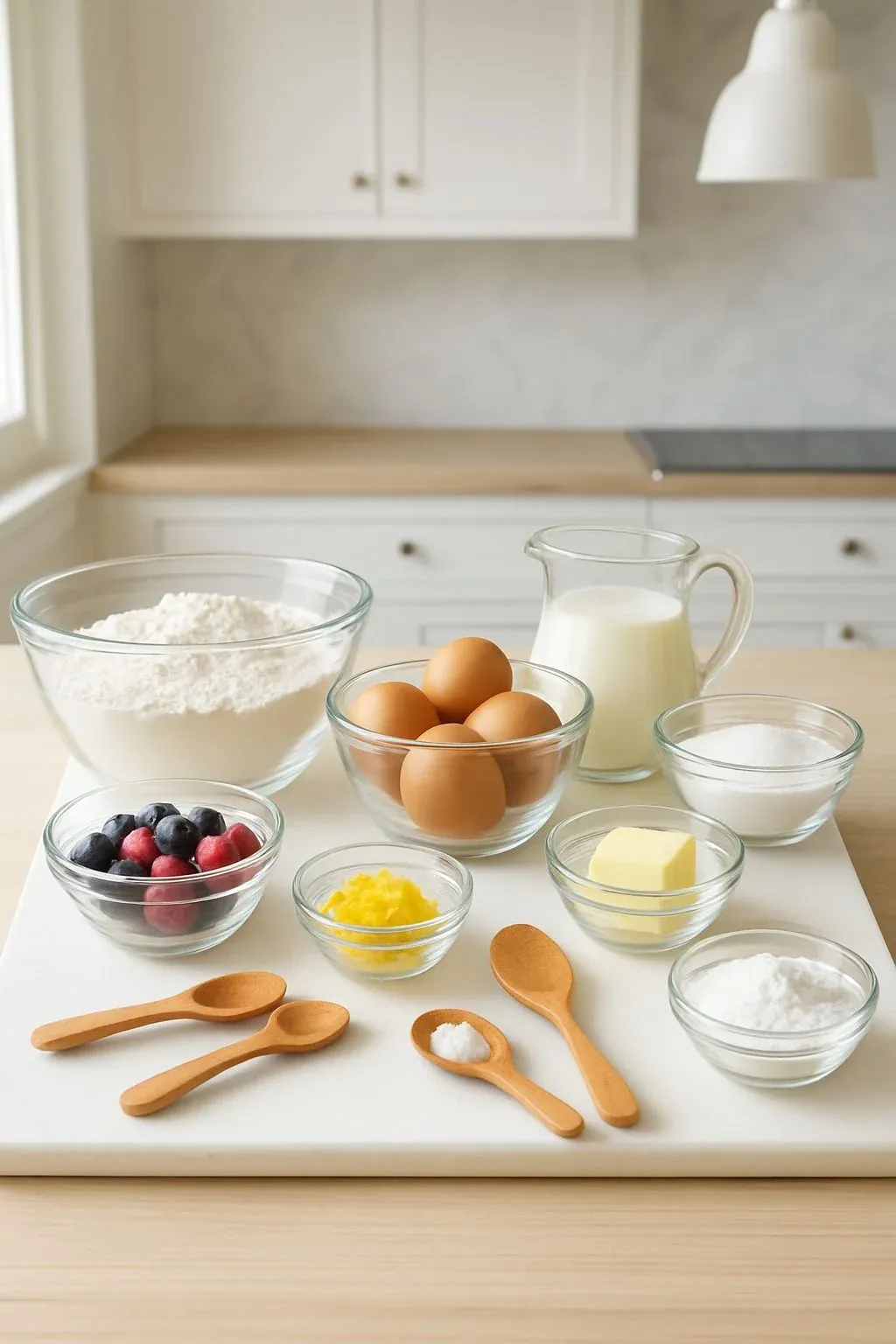
- Room‑temperature ingredients ensure even rising.
- A hot skillet creates a caramelized edge instantly.
- Resting the batter hydrates flour for a softer crumb.
Common mistakes to avoid
- Using a cold skillet, which prevents the edges from crisping.
- Over‑mixing the batter, leading to a dense texture.
- Leaving the pancake in the oven too long, causing it to dry out.
Substitutions
- All‑purpose flour: Whole‑wheat flour. Will give a nuttier flavor; may need a touch more liquid.
- Butter: Coconut oil. Adds a light coconut aroma; use the same amount.
Variations
- Spicy Version: Add a pinch of ground cinnamon and a drizzle of hot honey for subtle heat.
- Mediterranean Style: Stir in chopped olives and feta before baking; garnish with fresh rosemary.
Storage
Store any leftovers in an airtight container in the fridge for up to 2 days; reheat gently in a skillet.
Make ahead
You can whisk the batter the night before and store it in the refrigerator; give it a quick stir before baking for a hassle‑free morning.
Leftovers
Reheat gently in a skillet over low heat, cover for a minute to retain moisture, and serve with a fresh drizzle of syrup.
Serving ideas
- Serve over a warm plate to keep the pancake cozy.
- Spoon a dollop of Greek yogurt on the side for tangy contrast.
- Pair with a light fruit compote for extra freshness.
- Garnish with a few mint leaves for a subtle aroma.
Allergy information
Contains eggs, dairy, and gluten.
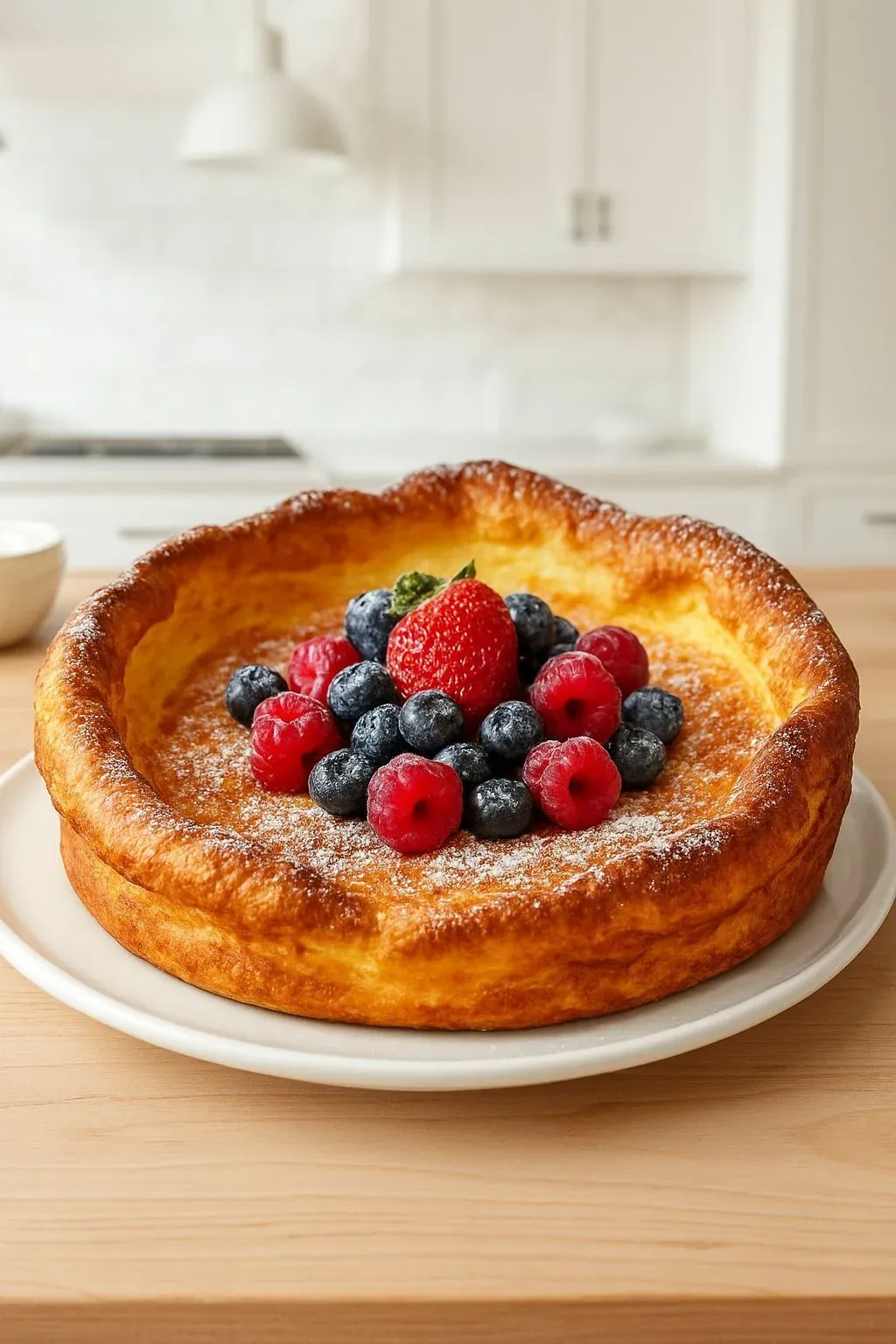
Baked German Pancake
A light, oven‑baked pancake that puffs up beautifully and settles into a tender, custardy center.
- Prep time
- 15 min
- Cook time
- 20 min
- Total time
- 35 min
- Difficulty
- Easy
- Cuisine
- German
- Course
- Breakfast
Ingredients
Main Ingredients
For the Topping
Instructions
- 1
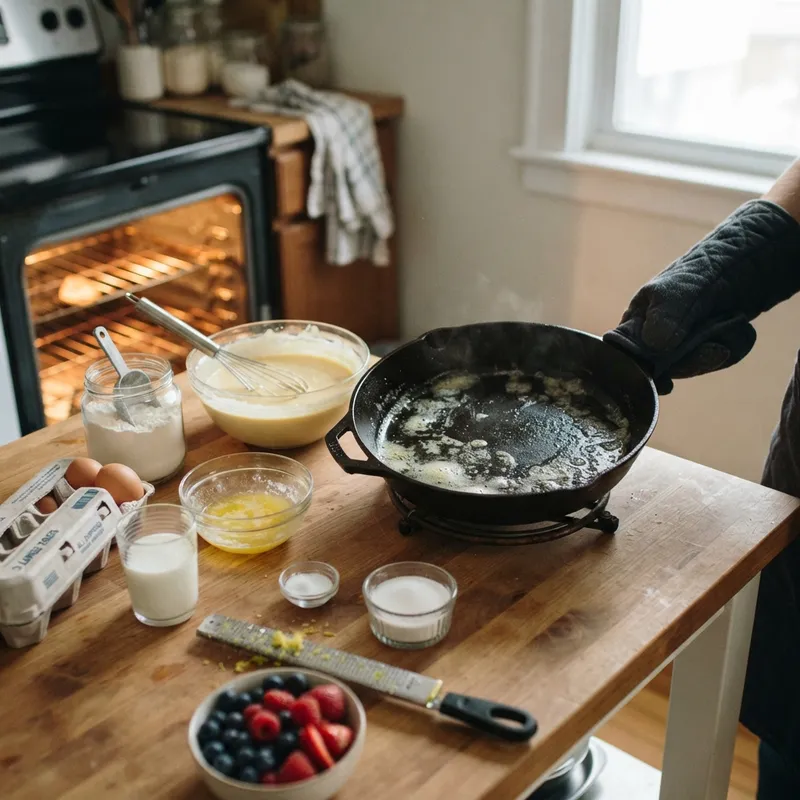
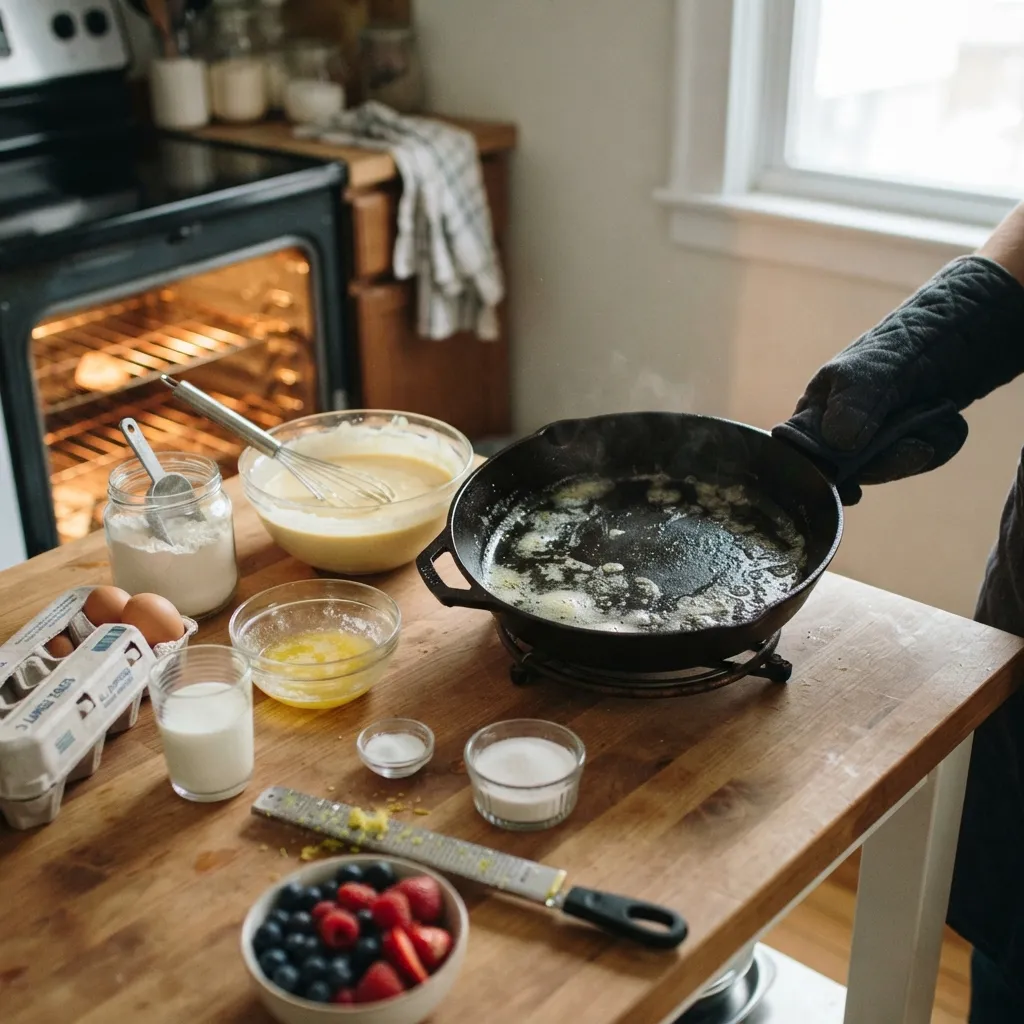
Preheat the oven to 425°F (220°C). Place a 10‑inch cast‑iron skillet inside to heat.
- 2
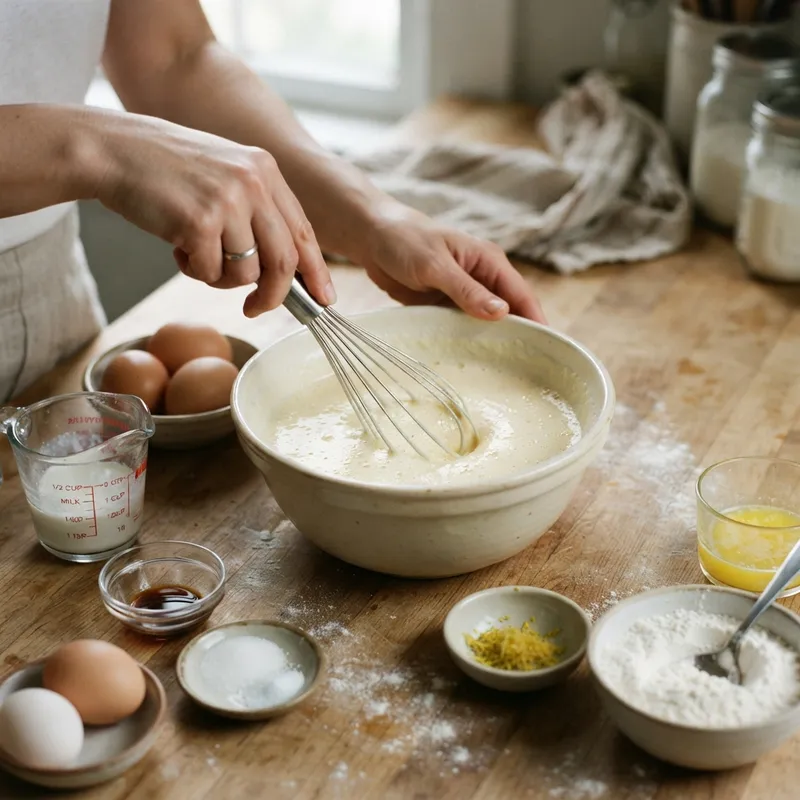
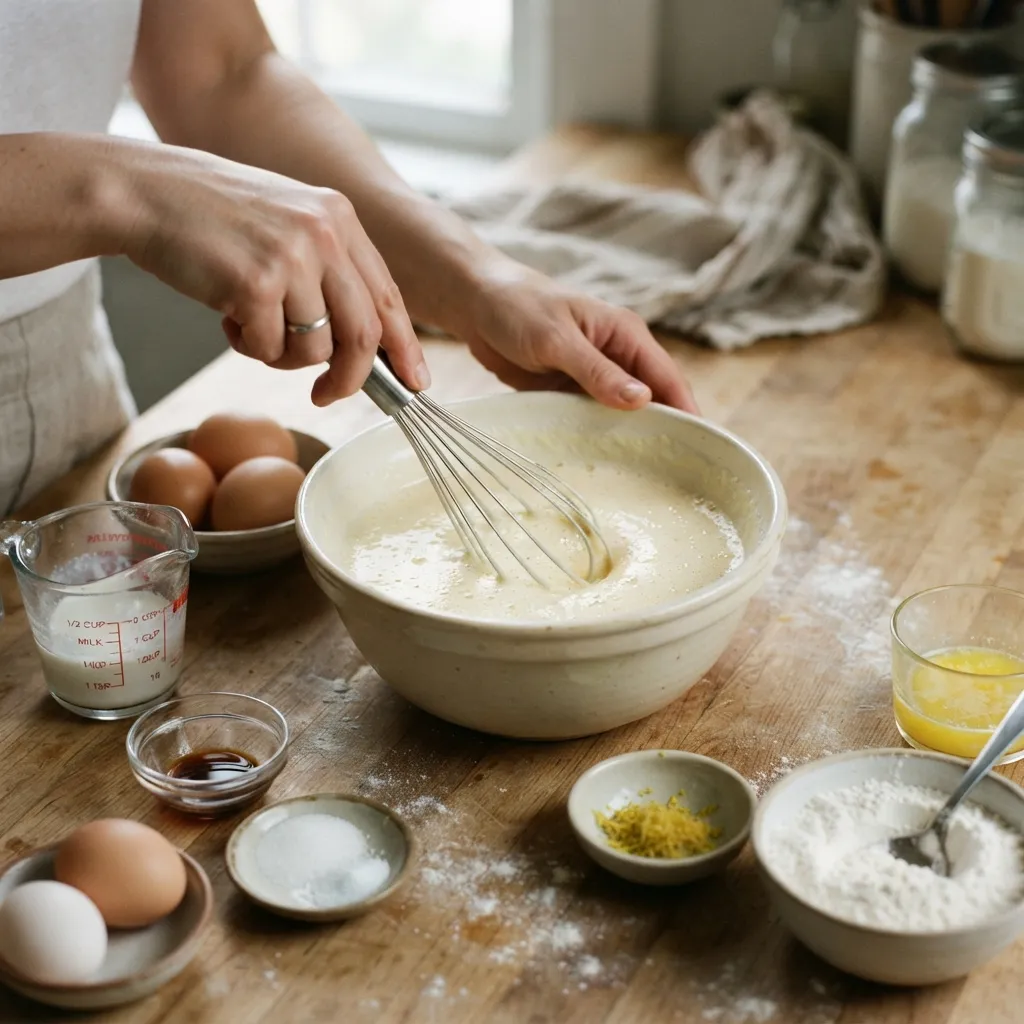
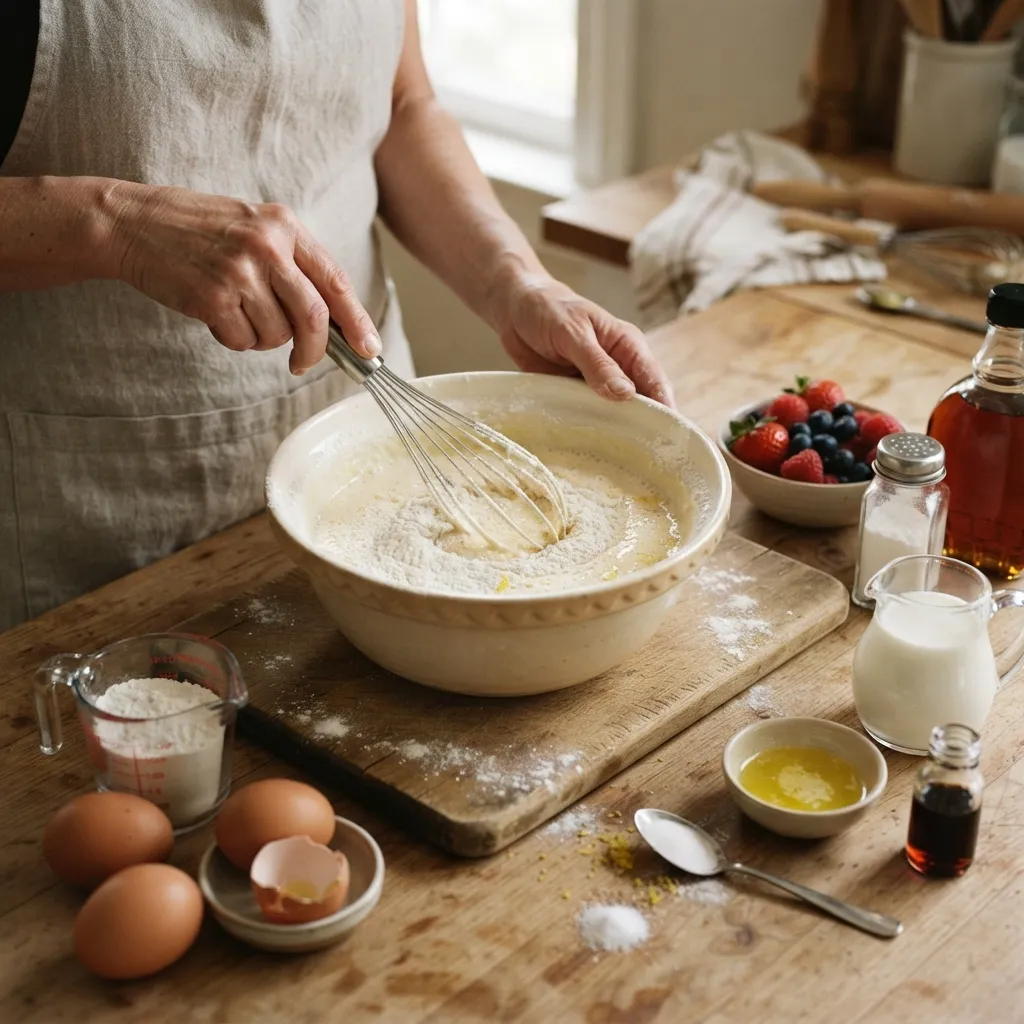
In a bowl, whisk eggs, milk, sugar, vanilla, lemon zest, and salt until smooth.
- 3
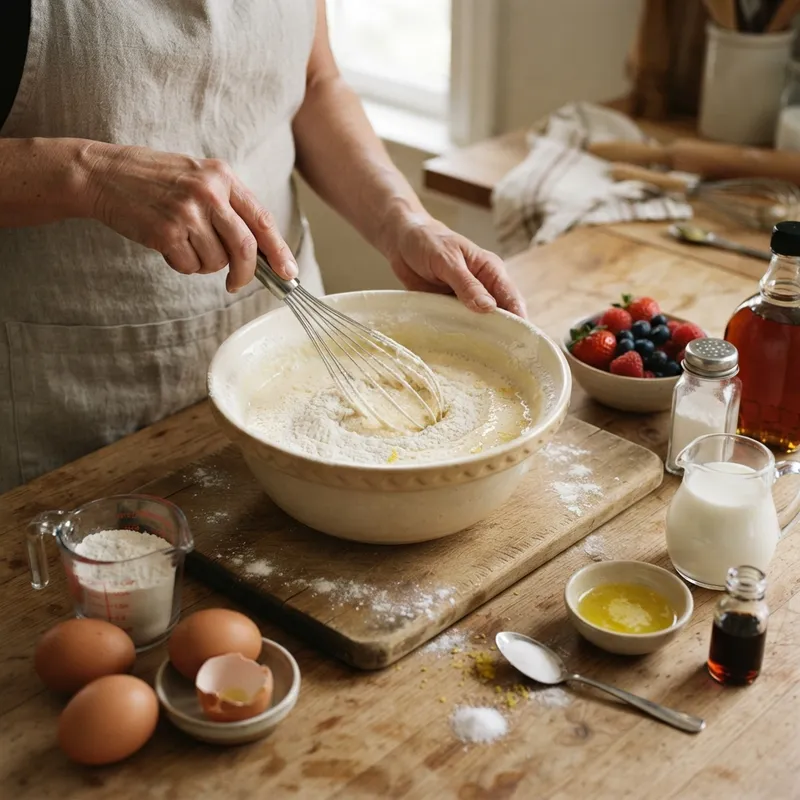
Gradually add flour, whisking just until incorporated; avoid over‑mixing.
- 4
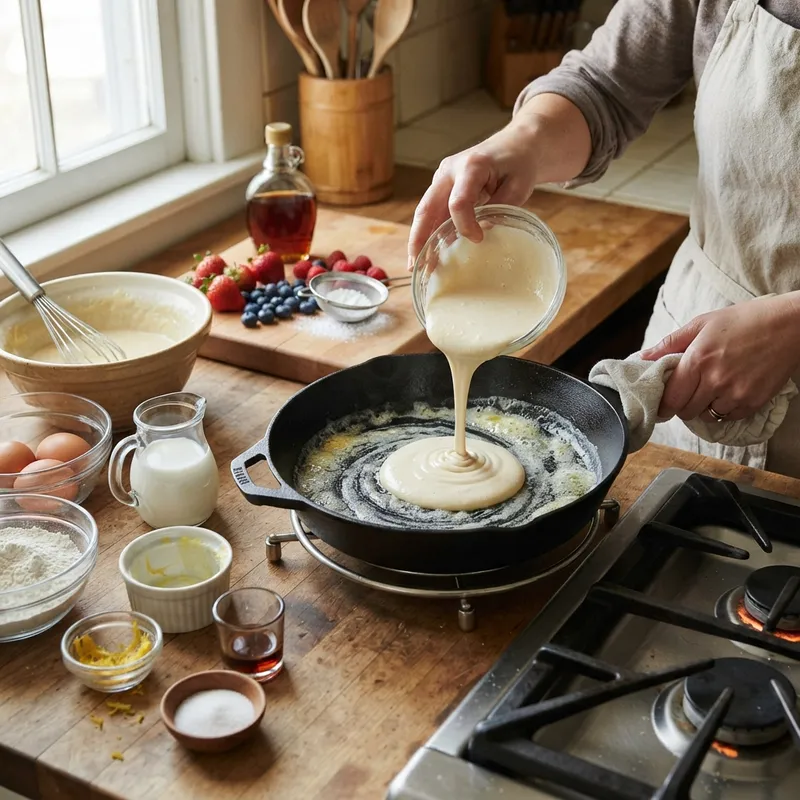
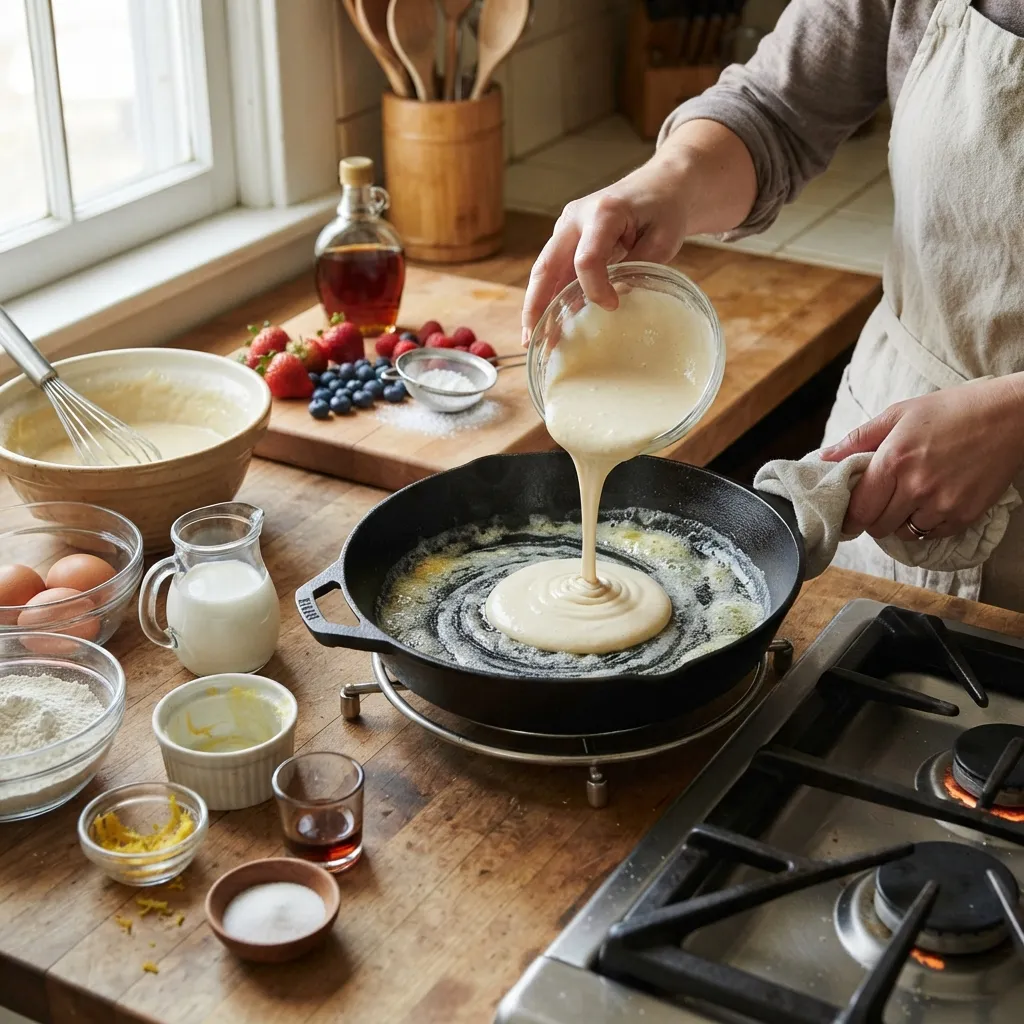
Carefully remove the hot skillet, add melted butter, swirling to coat the bottom, then pour the batter in.
- 5
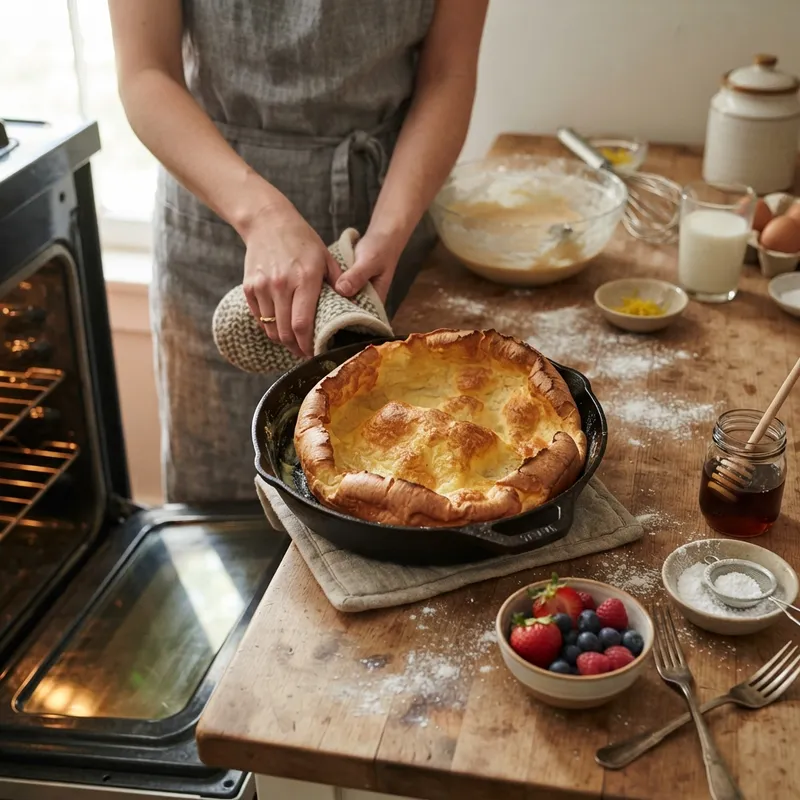
Bake for 20‑25 minutes, until the edges are deep golden and the center has puffed.
- 6
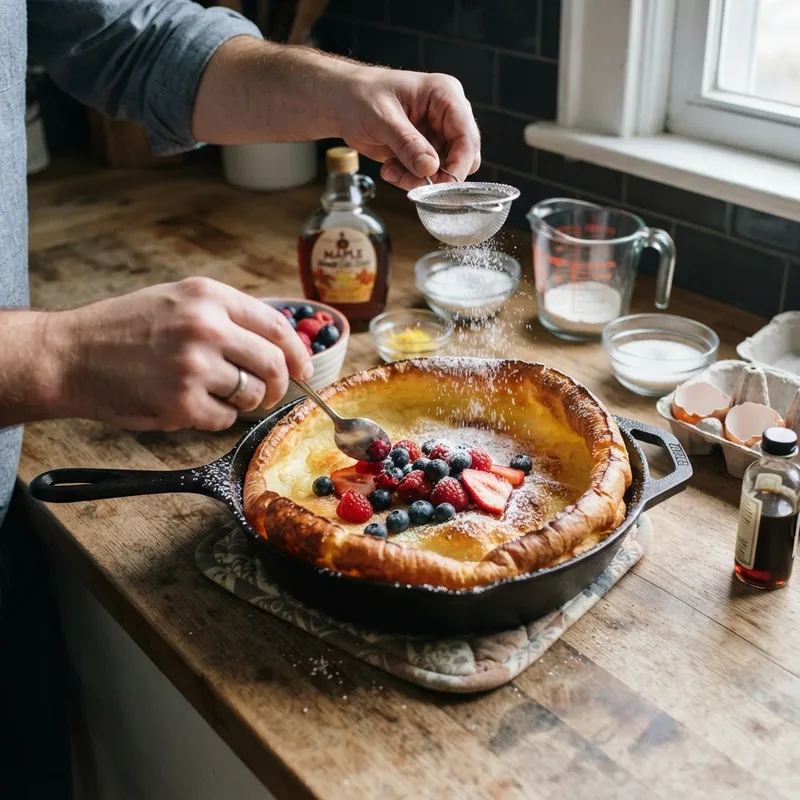
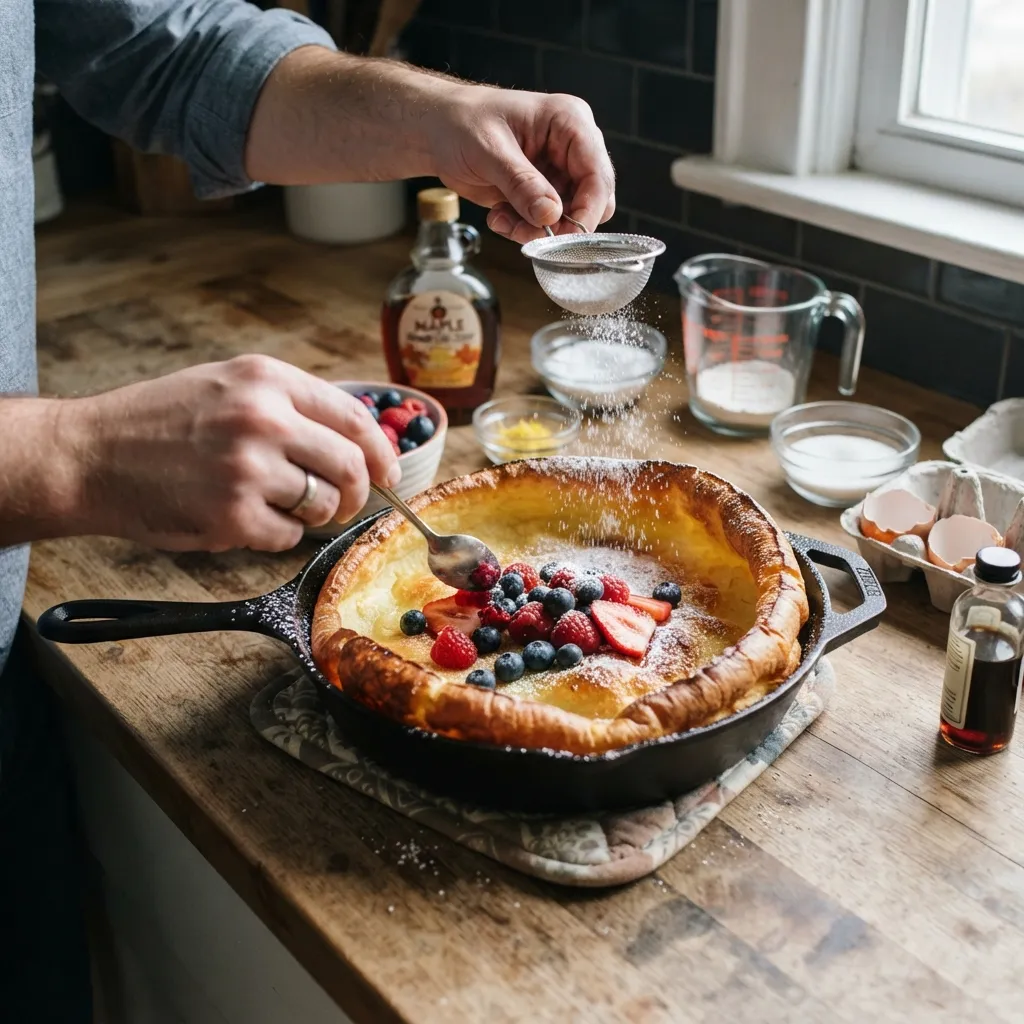
Remove from oven, dust with powdered sugar, add fresh berries, and serve immediately.
Nutrition per serving
- 340 kcal
- Calories
- 10 g
- Protein
- 32 g
- Carbs
- 18 g
- Fat
Tips & notes
- The pancake will deflate slightly as it cools; this is normal and part of its charm. - For extra fluff, let the batter rest for 5 minutes before baking. - A light drizzle of honey can replace maple syrup for a floral note.
Frequently asked questions
Can I make this ahead of time?
You can prepare the batter up to an hour in advance and keep it refrigerated; give it a quick stir before baking.
What toppings work best?
Fresh berries, sliced bananas, a drizzle of maple syrup, or a simple dust of powdered sugar are all lovely.
Do I need a special pan?
A cast‑iron skillet works beautifully, but any oven‑safe skillet will do.
How do I keep it from collapsing?
Serve it right out of the oven; it will naturally settle as it cools.
Can I add protein?
Yes, try the protein bowl link recipe for inspiration.
Is this gluten‑free?
Swap the all‑purpose flour for a gluten‑free blend; the texture remains light.

Emma Harper
🥖✨ Lover of timeless recipes, cozy kitchens, and golden loaves. Always baking memories with love ❤️🍽️.