I remember the first time I tried these at a little café in Tokyo - honestly, I couldn't believe how something so simple could feel so luxurious. The way they jiggle when you serve them, the soft warmth that spreads through your mouth... well, it's become my weekend ritual now. Making them takes patience, but the reward is worth every second.
The essence of the dish
These pancakes are all about texture transformation - turning basic ingredients into something that feels like edible clouds through careful technique and patience.
A fun fact or historical angle
While pancakes exist worldwide, the Japanese souffle version specifically emerged from Tokyo's cafe culture in the 2010s, combining Western breakfast traditions with Japanese precision and lightness.
Flavor or sensory focus
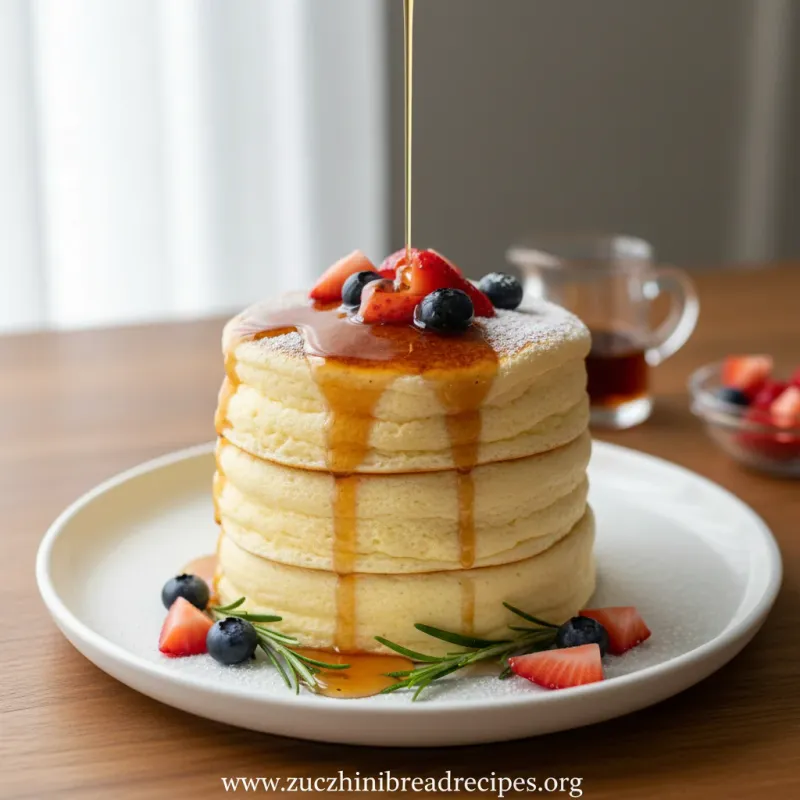
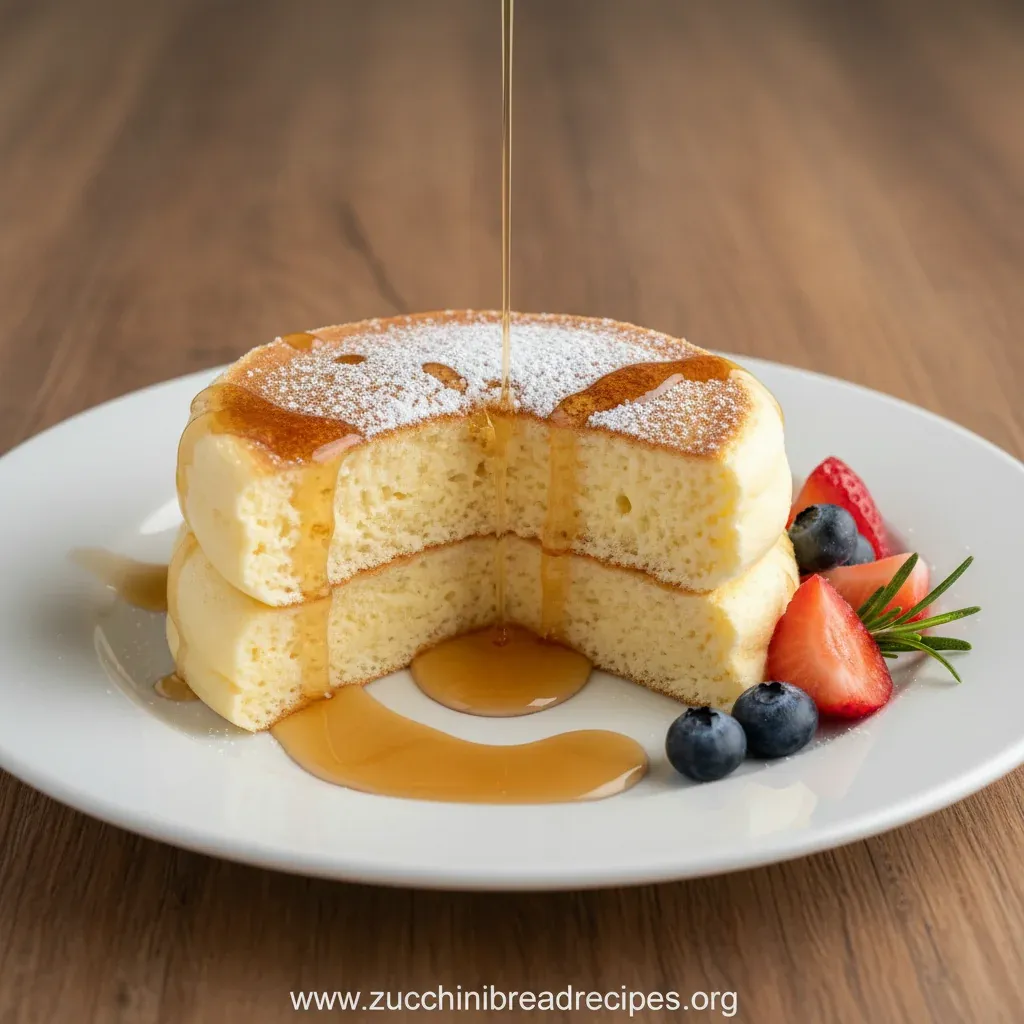
The first thing you'll notice is the gentle jiggle when you serve them, followed by the way they practically dissolve on your tongue with a subtle sweetness and airy warmth.
You Must Know
- Room temperature egg whites are non-negotiable for maximum volume
- Low heat and patience prevent burning and ensure even cooking
- Folding gently preserves the air bubbles that create the fluffiness
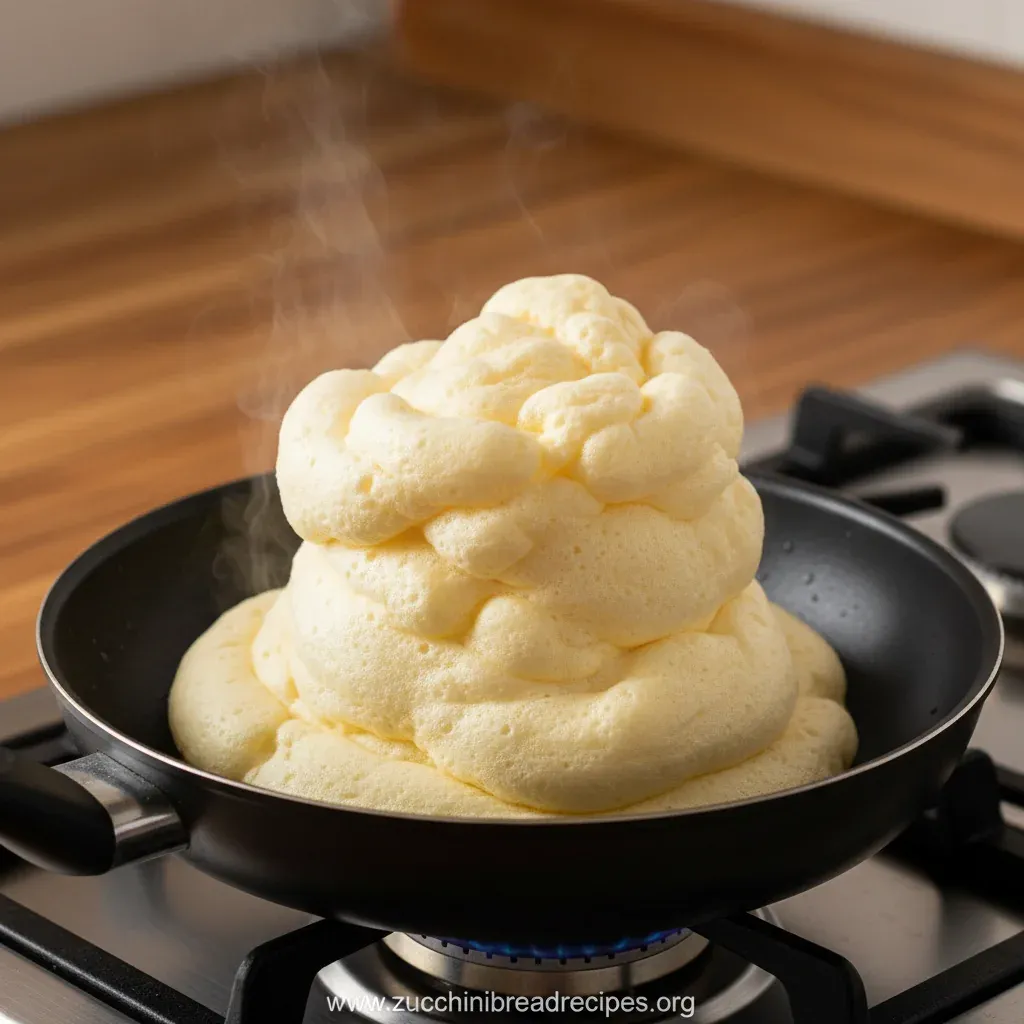
- Using a lid and steam helps achieve the signature height
I remember trying to rush these once when we had guests coming - well, that was a mistake. The pancakes came out flat and dense, nothing like the fluffy clouds I promised. Now I know better than to try to hurry perfection.
What I love about this recipe is how it teaches you to slow down. In our fast-paced world, taking twenty minutes to watch pancakes rise feels almost revolutionary. And the reward? That first bite that makes everyone at the table go quiet, just savoring the delicate texture. It's worth every second of waiting.
The story behind it
Japanese souffle pancakes emerged in the 2010s as a popular cafe item in Tokyo, blending Western pancake traditions with Japanese precision and lightness. Unlike their American counterparts, these pancakes rely on whipped egg whites for their signature height and airy texture, creating a dessert-like breakfast experience that feels both familiar and utterly new. The technique requires careful temperature control and timing, reflecting the Japanese culinary principle of shokumi - the art of appreciating subtle flavors and textures.
Why You'll Love It
- They're incredibly light and melt-in-your-mouth tender
- The gentle rise creates impressive height without heavy density
- Perfectly balanced sweetness that isn't overwhelming
- Feels fancy but uses simple pantry ingredients
Tips for success
- Patience with whipping - wait for真正的stiff peaks that hold their shape
- Low heat is non-negotiable - medium heat will burn the outside before the inside cooks
- Gentle folding preserves air bubbles - overmixing deflates the batter
- Don't peek under the lid during steaming - the temperature drop affects rising
Professional secrets
- Room temperature ingredients - cold eggs won't whip to full volume
- Adding sugar gradually to egg whites - creates stable, glossy meringue
- Steam cooking method - allows even heat distribution for tall, fluffy results
- Resting after cooking - lets the structure set before serving
Common mistakes to avoid
- Using cold egg whites - they won't whip to full volume
- Overmixing when folding - deflates the precious air bubbles
- Heat too high - burns outside before inside cooks
- Peeking during steaming - temperature drop affects rise
- Not serving immediately - they gradually deflate over time
Substitutions
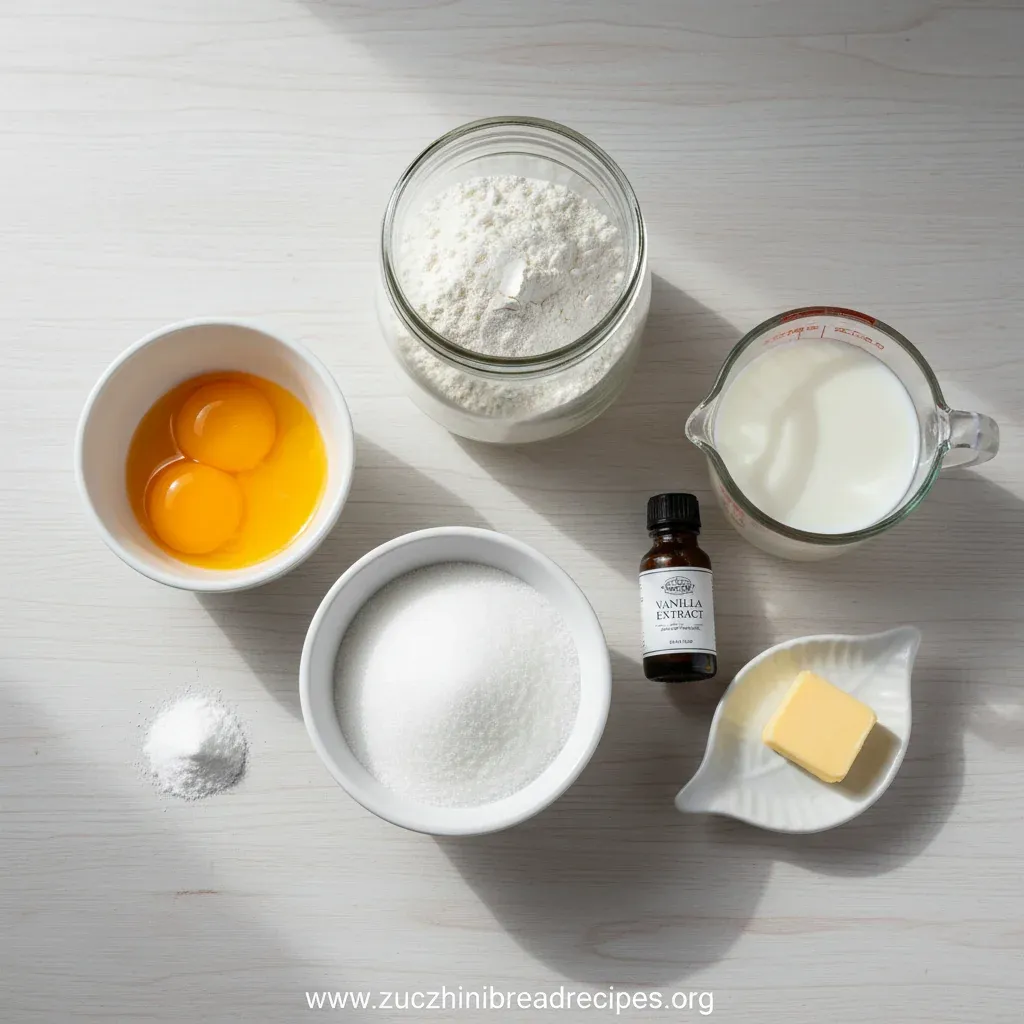
- Cake flour: All-purpose flour. Texture will be slightly denser but still delicious. For a lighter option, remove 2 tablespoons flour per cup and replace with cornstarch.
- Whole milk: Any milk alternative. Oat milk or almond milk work well, though the richness may vary slightly.
- Regular sugar: Coconut sugar or maple syrup. Adjust sweetness to taste and note that liquid sweeteners may affect texture slightly.
Variations
- Matcha Souffle Pancakes: Add 1 tablespoon matcha powder to the dry ingredients for a beautiful green color and subtle tea flavor
- Lemon Poppy Seed: Add zest of 1 lemon and 1 tablespoon poppy seeds to the batter for bright, citrusy notes
- Chocolate Chip: Fold in 1/4 cup mini chocolate chips gently at the end for a sweeter, more indulgent version
Storage
These pancakes don't store well as they deflate significantly. If you must store them, keep in an airtight container at room temperature for up to 2 hours, but expect texture changes.
Make ahead
You can measure dry ingredients the night before. The egg whites can be separated and left covered at room temperature for 30 minutes before whipping. The batter must be made fresh and cooked immediately.
Leftovers
These pancakes don't keep well as they deflate. If you have leftovers, store in an airtight container and reheat gently in a toaster oven - but expect significant texture changes.
Serving ideas
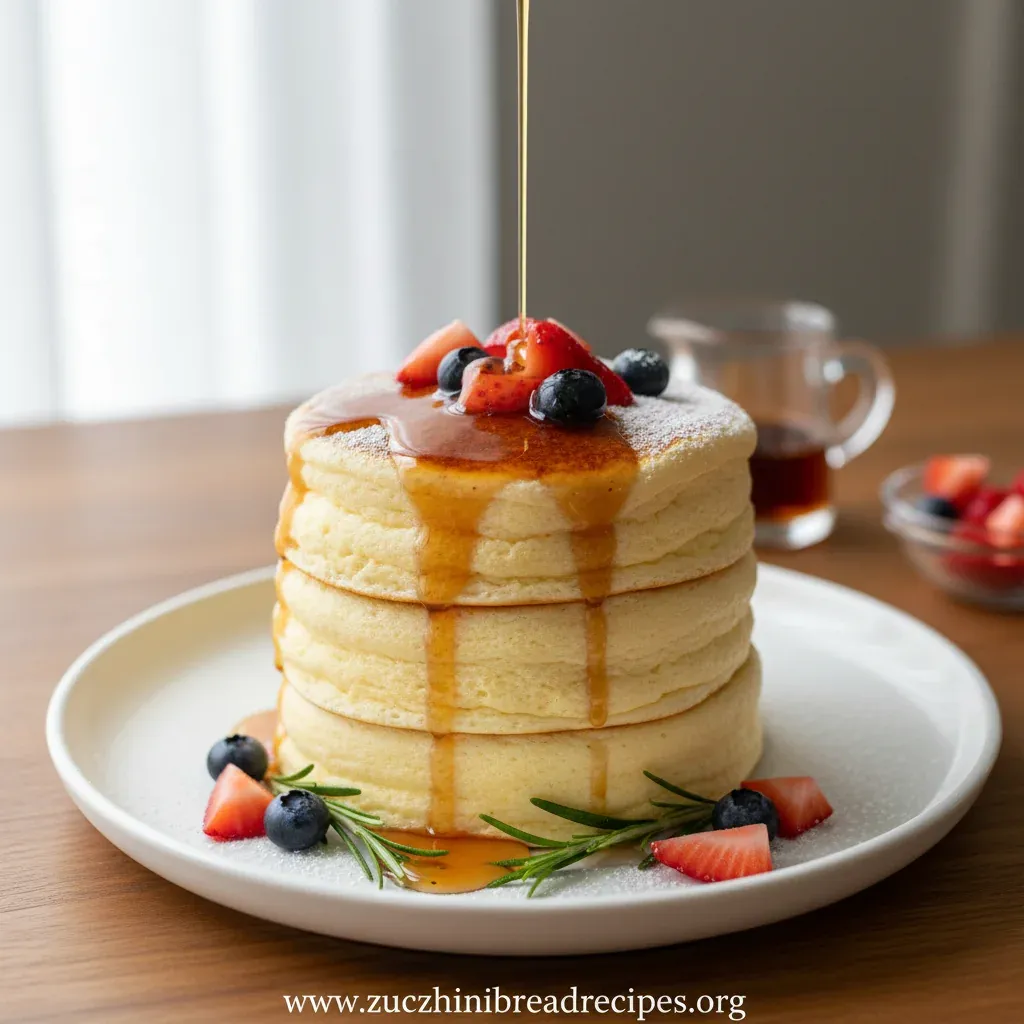
- Stack with fresh berries and a dusting of powdered sugar for classic presentation
- Drizzle with honey or maple syrup for traditional sweetness
- Serve with whipped cream and chocolate shavings for dessert-like treatment
- Pair with crispy turkey ham for sweet-savory contrast
- Accompany with hot tea for authentic Japanese cafe experience
Allergy information
Contains eggs, wheat, dairy. For egg-free options, consider our vegan zucchini bread which uses clever substitutions.
Traditional Fluffy Japanese Souffle Pancakes
Light, airy pancakes that melt in your mouth with a delicate souffle texture.
- Prep time
- 20 min
- Cook time
- 15 min
- Total time
- 35 min
- Difficulty
- Hard
- Cuisine
- Japanese
- Course
- Breakfast
Ingredients
Dry Ingredients
Wet Ingredients
For Whipping
For Cooking
Instructions
- 1
Separate the eggs, making sure no yolk gets into the whites. Let the egg whites come to room temperature - this is crucial for maximum volume. In a medium bowl, whisk together the cake flour, baking powder, salt, and the first 2 tablespoons of sugar.
- 2
In another bowl, whisk the egg yolks with the milk, vanilla, and melted butter until smooth. Gradually add the dry ingredients and mix until just combined - don't overmix. The batter will be thick.
- 3
Using a stand mixer or electric hand mixer, beat the room temperature egg whites with cream of tartar on medium speed until frothy. Gradually add the remaining 2 tablespoons of sugar while beating, increasing speed to high until stiff peaks form. The meringue should be glossy and hold its shape.
- 4
Gently fold one-third of the meringue into the yolk mixture to lighten it. Then carefully fold in the remaining meringue in two additions, using a spatula and turning the bowl - be gentle to keep as much air as possible.
- 5
Heat a non-stick skillet or griddle over low heat. Lightly grease and place ring molds if using. Spoon the batter into the rings, filling about 3/4 full. Add a few drops of water around the pancakes, cover with a lid, and cook for 6-8 minutes until bottoms are golden.
- 6
Carefully flip the pancakes using a spatula. Add another teaspoon of water around them, cover again, and cook for another 5-7 minutes until cooked through and firm to the touch. They should have doubled in height.
- 7
Remove from heat and let rest for 1 minute before carefully removing rings. Serve immediately with butter, maple syrup, whipped cream, or fresh berries. For a different but equally delightful treat, you might enjoy our easy zucchini bread on busy mornings.
Nutrition per serving
- 180 kcal
- Calories
- 6 g
- Protein
- 25 g
- Carbs
- 6 g
- Fat
Tips & notes
- Room temperature eggs are essential for maximum volume in the whipped whites - Don't skip the steaming step - it's what gives these pancakes their height - Serve immediately as they gradually deflate over time - If you don't have ring molds, make smaller pancakes and expect them to spread more
Frequently asked questions
Why are my pancakes not rising properly?
This usually happens if the egg whites weren't whipped to stiff peaks, if you overmixed when folding, or if the heat was too high. Room temperature eggs and gentle folding are key.
Can I make these pancakes ahead of time?
They're best served immediately as they slowly deflate, but you can keep them warm in a low oven for about 10 minutes if needed.
What can I substitute for cake flour?
You can use all-purpose flour, but the texture will be slightly denser. For a lighter option, try replacing 2 tablespoons of all-purpose flour with cornstarch per cup.
Do I need special rings to make these?
Rings help achieve the signature height and shape, but you can free-form them - they just might spread a bit more. Biscuit cutters or tuna cans with both ends removed work well.
How do I know when they're cooked through?
The tops should look dry and slightly matte, and a toothpick inserted should come out clean. They'll also jiggle less when shaken gently.
Can I add flavor variations?
Absolutely! Fold in lemon zest, matcha powder, or cinnamon gently at the end. For something more substantial, try our healthy zucchini bread which incorporates vegetables beautifully.

Emma Harper
🥖✨ Lover of timeless recipes, cozy kitchens, and golden loaves. Always baking memories with love ❤️🍽️.